
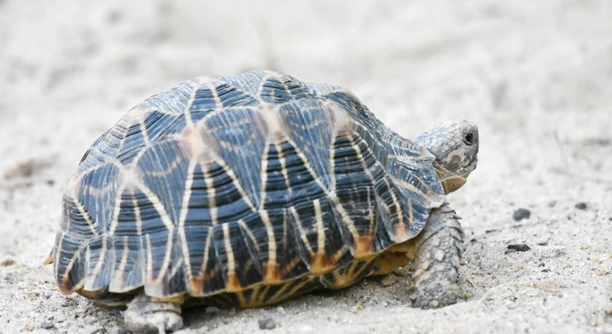
If you’re noticing a yellowing of your Indian Star Tortoise’s plastron, it’s important to understand why this is happening and what you can do about it. It’s not an uncommon concern among tortoise owners.
The yellowing of a tortoise’s plastron is often linked to health issues such as poor diet, dehydration, or fungal infections. Improper UVB lighting and temperature conditions in the tortoise’s environment can also contribute to this change in color.
Understanding the reasons behind this yellowing can help you take the right steps to improve your tortoise’s health and prevent further complications. This guide will provide useful tips on how to address the problem.
Common Causes of Yellowing in the Plastron
Yellowing of your Indian Star Tortoise’s plastron can occur for several reasons. The most common causes include a poor diet, inadequate lighting, and unsuitable environmental conditions. If your tortoise isn’t getting the right nutrition, its shell may show signs of stress. For example, a diet lacking in calcium or vitamins could affect shell health. Dehydration is another factor, as a lack of proper hydration can cause the tortoise’s shell to weaken and discolor. The lighting in the enclosure is also critical, as UVB rays are necessary for calcium absorption, and without it, the shell may change color. Additionally, temperature imbalances can stress the tortoise’s system, leading to unusual changes in its appearance. Understanding the root cause of yellowing is essential for treating and preventing further damage.
It’s crucial to closely examine your tortoise’s habitat, diet, and overall health to figure out why the plastron is yellowing.
If you’ve recently changed your tortoise’s environment or diet, these changes could have led to the yellowing. Check whether the enclosure provides proper lighting and if your tortoise’s water intake is adequate.
How Lighting Affects Your Tortoise’s Shell
Proper lighting plays an essential role in maintaining the health of your Indian Star Tortoise’s shell. Tortoises need UVB light to process calcium properly and support healthy shell growth. Without UVB light, they cannot absorb calcium as needed, leading to soft shells and discoloration. If you’re using artificial lighting, ensure the UVB light is specifically designed for reptiles and replace it as needed to maintain optimal levels. The right light intensity and exposure time are critical as well. Too little UVB light may cause poor shell health, while too much could stress your tortoise, leading to other health problems.
Make sure your tortoise has access to both UVA and UVB lighting. These lights should be positioned in a way that mimics natural sunlight for maximum benefit.
Check your lighting setup regularly to ensure it’s still working correctly and positioned at the right distance from your tortoise. If the UVB light is too far, your tortoise may not receive the full benefits, contributing to the yellowing of its plastron.
Diet and Nutrition’s Role in Plastron Health
A poor diet can lead to yellowing of your tortoise’s plastron. If your tortoise isn’t getting enough calcium, vitamins, or fiber, it can affect shell health and lead to discoloration. It’s essential to provide a balanced diet.
The key nutrients that affect shell health are calcium and vitamin D3. Without enough calcium, your tortoise may suffer from metabolic bone disease, which can cause the shell to become soft and discolored. Vitamin D3 helps your tortoise absorb calcium, so they work hand in hand. Leafy greens like dandelion, collard greens, and kale are excellent sources of calcium. Avoid feeding your tortoise too much fruit, as it’s high in sugar and can lead to obesity and other health issues.
Incorporating a proper calcium supplement into your tortoise’s diet can also help maintain shell integrity. You can sprinkle calcium powder on their food a few times a week or offer cuttlebone. A well-rounded diet is crucial to prevent any long-term issues with your tortoise’s plastron.
Hydration and Its Effects on Shell Health
Hydration is vital for your tortoise’s overall health, including the condition of its plastron. Dehydration can weaken the shell and cause it to discolor, particularly yellowing.
Make sure your tortoise always has access to fresh water. If you notice yellowing, check if your tortoise is drinking enough water or if it’s in a dry environment. Some tortoises may need to be soaked in shallow water to encourage hydration. You can gently place your tortoise in a shallow dish of water for about 15-20 minutes a few times a week. This can help your tortoise stay hydrated and prevent shell damage.
Adding moisture to the habitat itself is also important. A humid environment helps keep your tortoise’s skin and shell from drying out. Be mindful of the temperature in the enclosure, as overheating can also lead to dehydration.
Temperature and Its Impact on Plastron Health
Temperature plays a big role in the health of your tortoise’s shell. Too high or too low temperatures can stress your tortoise, leading to yellowing of the plastron.
Ensure your tortoise’s enclosure has the proper temperature gradient. The basking spot should be around 95°F (35°C), while the cooler side should be 75-80°F (24-27°C). This helps your tortoise regulate its body temperature and stay healthy. Improper temperatures can weaken the immune system, making your tortoise more susceptible to infections and shell problems.
Fungal and Bacterial Infections
Fungal and bacterial infections can also cause yellowing of the plastron. These infections thrive in damp, dirty environments. If your tortoise’s shell appears to be discolored and has any lesions, it could be infected.
Proper hygiene is essential to prevent infections. Clean your tortoise’s enclosure regularly, and make sure any water sources are changed frequently. If you suspect an infection, it’s crucial to consult a vet who specializes in reptiles. Left untreated, infections can lead to serious complications, including further damage to the shell and overall health.
FAQ
What are the common signs that my tortoise’s plastron is unhealthy?
An unhealthy plastron may show signs like discoloration (yellowing or browning), softness, and even cracks. The shell could become deformed or may feel unusually spongy when touched. If you notice any of these symptoms, it’s important to assess your tortoise’s diet, environment, and health. Regular checks of the plastron can help detect early signs of issues, allowing you to take action before they worsen.
How can I fix the yellowing of my tortoise’s plastron?
First, make sure your tortoise is receiving the proper diet with enough calcium and vitamin D3. A balanced diet consisting of leafy greens and occasional calcium supplementation will support shell health. Additionally, ensure that your tortoise’s enclosure has appropriate lighting (UVB) and temperature. If the yellowing persists despite these adjustments, a visit to the vet may be necessary to rule out infections or other health issues.
Can dehydration cause yellowing of the plastron?
Yes, dehydration can cause yellowing and other health issues in tortoises. A dehydrated tortoise’s shell can become weak, soft, and discolored. It’s important to ensure your tortoise is drinking enough water and that the habitat has the proper humidity levels. Offering regular soakings can help your tortoise stay hydrated and improve its shell condition.
How much UVB light does my tortoise need?
Your tortoise needs about 12-14 hours of UVB light each day. UVB helps your tortoise metabolize calcium, which is essential for strong shell growth. Without adequate UVB exposure, the shell can become weak and may develop discoloration, including yellowing. Make sure the UVB light is replaced regularly (every 6-12 months) to maintain effectiveness.
Is my tortoise’s diet the reason for the yellow plastron?
Diet can play a significant role in shell health. A diet low in calcium or lacking essential vitamins can cause the plastron to become yellow or weak. Provide your tortoise with a varied diet rich in leafy greens like dandelion and collard greens. Supplementing with calcium powder a few times a week can also help. Avoid feeding too much fruit as it can upset the balance of your tortoise’s diet.
Can a fungal infection cause yellowing on the plastron?
Yes, fungal infections are another potential cause of yellowing. Infections can develop in humid environments if the tortoise’s enclosure isn’t cleaned regularly. Fungal infections may cause patches of yellowing, lesions, or a soft, spongy shell. If you suspect an infection, seek professional veterinary care immediately to prevent further damage.
What temperature should my tortoise’s enclosure be?
Your tortoise needs a temperature gradient in its enclosure. The basking area should be around 95°F (35°C), and the cooler area should be 75-80°F (24-27°C). This gradient allows your tortoise to regulate its body temperature effectively. Incorrect temperatures can lead to stress, dehydration, and other health issues that may result in yellowing of the plastron.
How can I prevent shell discoloration in the future?
To prevent shell discoloration, make sure your tortoise has a balanced diet, adequate hydration, proper UVB lighting, and correct temperature levels in its enclosure. Regularly clean the enclosure to avoid infections, and monitor the condition of the plastron for any changes. By maintaining a healthy and stable environment, you can help prevent issues with your tortoise’s plastron.
When should I take my tortoise to the vet for yellowing of the plastron?
If the yellowing of the plastron persists after adjusting diet, lighting, and hydration, or if you notice other signs of illness (like lethargy or loss of appetite), it’s time to visit the vet. A reptile vet will be able to diagnose the issue, whether it’s an infection, metabolic disorder, or another health concern, and provide the necessary treatment.
Can stress affect my tortoise’s plastron color?
Yes, stress can contribute to yellowing or other changes in the plastron. Stress factors may include improper habitat conditions, frequent handling, or an unsuitable diet. Ensure your tortoise’s environment is stable, and avoid unnecessary disturbances. A stressed tortoise is more likely to develop health problems, including issues with its shell.
Final Thoughts
If your Indian Star Tortoise’s plastron is turning yellow, it’s essential to understand the potential causes and take action to improve your tortoise’s health. Yellowing of the plastron can result from several factors, such as a poor diet, dehydration, or improper lighting and temperature in the enclosure. It’s important to check if your tortoise is getting enough calcium and vitamin D3, as a lack of these nutrients can directly affect the condition of the shell. Additionally, make sure your tortoise has access to fresh water, and consider regular soakings to keep them properly hydrated.
In some cases, yellowing may be a sign of a fungal or bacterial infection. These types of infections can develop in damp, poorly maintained environments. To prevent such issues, maintain a clean and dry habitat for your tortoise. Regularly replace the bedding and clean water dishes to prevent the growth of harmful bacteria or fungi. If you suspect an infection or if the yellowing doesn’t improve after addressing diet and environmental factors, it’s crucial to take your tortoise to the vet. A professional can properly diagnose and treat any underlying health issues that may be causing the discoloration.
By paying close attention to your tortoise’s diet, environment, and overall well-being, you can help prevent yellowing of the plastron and ensure your tortoise stays healthy. Providing the right lighting, temperature, and hydration is key to keeping your tortoise in optimal condition. Make sure to give your tortoise a well-balanced diet with calcium-rich foods and monitor its environment for any changes. Taking these simple steps can go a long way in improving the health of your Indian Star Tortoise and preventing further issues with its plastron.

Hello,
If you enjoy the content that we create, please consider saying a "Thank You!" by leaving a tip.
Every little bit helps us continue crafting quality advice that supports the health, happiness, and well-being of pets around the world, for pets of all shapes, sizes, and species.
We really appreciate the kindness and support that you show us!