
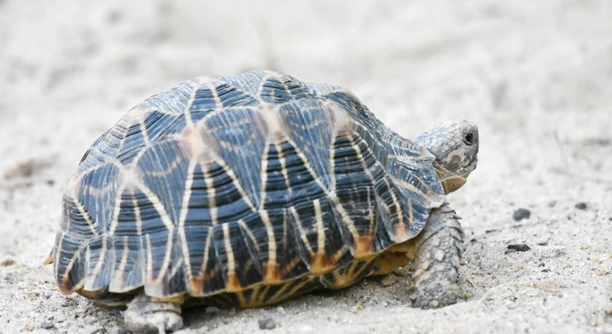
Indian star tortoises are popular pets due to their calm nature and unique appearance. As a responsible pet owner, it’s important to understand what foods are safe for them, especially herbs like thyme.
Indian star tortoises can eat thyme in moderation. However, it should not be the main component of their diet, as it is aromatic and may be too strong for their digestive systems. Always offer a variety of safe plants.
Herbs can be a tasty addition to your tortoise’s diet, but not all are safe. Learn which ones are best for your pet’s health.
Can Indian Star Tortoises Eat Herbs?
Indian star tortoises can safely consume certain herbs in moderation, which may provide variety in their diet. Herbs like basil, dandelion, and parsley are generally safe. However, some herbs may be too strong or spicy, which can cause digestive issues. It’s crucial to ensure that any herbs you offer are free of pesticides or chemicals. As herbivores, tortoises thrive on a variety of grasses, leaves, and flowers. But herbs should only be given occasionally to avoid any negative impact on their health. A balanced diet is key to keeping your tortoise healthy and active.
In addition to thyme, always verify other herbs to make sure they are safe. Fresh, natural foods are best.
Herbs should be offered as treats and should not replace the main part of their diet, which should consist of leafy greens and grasses. Overfeeding herbs like thyme or basil can cause gastrointestinal problems due to their strong flavors. Always monitor your tortoise after introducing new food. Additionally, if your tortoise shows signs of upset stomach or changes in behavior, it’s best to remove the herb from its diet and consult with a veterinarian.
Safe Herbs for Indian Star Tortoises
While thyme can be part of your tortoise’s diet, there are other herbs that are considered safer and healthier options. Basil, parsley, and dandelion leaves are some examples of herbs that are safe when fed in moderation. Dandelion leaves, in particular, are high in calcium and fiber, making them great for supporting healthy shell growth.
Parsley can also be a good option, as it provides essential vitamins. However, herbs like cilantro and mint should only be offered sparingly because of their strong scent and flavor. Some herbs may cause dehydration or upset stomachs in certain tortoises, so it’s essential to offer variety in their meals.
It’s also important to wash herbs thoroughly before feeding them to your pet. Pesticides and chemicals can be harmful, so organic or homegrown herbs are the best choice. Adding a few fresh herbs to their salad can provide a nutrient boost without compromising their health. Keep in mind that a good balance of different types of plants will ensure your tortoise gets the proper nutrients for strong growth and energy.
Potential Risks of Feeding Thyme to Indian Star Tortoises
Thyme is not toxic to Indian star tortoises, but feeding it too often can cause digestive issues. Its strong flavor might be harsh on their stomach, leading to discomfort or an upset digestive system. Offering too much at once can also lead to dehydration, as some herbs may have diuretic effects.
If you notice any changes in your tortoise’s behavior after eating thyme, it’s a good idea to reduce the amount or remove it from their diet entirely. Symptoms to look for include lethargy, lack of appetite, or runny stool. It’s best to stick to safer herbs, like dandelion or parsley, for regular feeding.
A varied diet is essential, and herbs should be treated as treats or occasional additions. While thyme can provide some vitamins, it should never be the main part of their meals. Overfeeding any single type of herb or vegetable is never a good idea, as it may cause imbalances.
Other Herbs to Avoid for Indian Star Tortoises
Certain herbs can be harmful to tortoises and should be avoided. Oregano, for instance, contains essential oils that can be irritating to their digestive system. Some other herbs, such as rosemary, may be too strong for them and could cause upset stomachs.
If you’re unsure about the safety of a specific herb, it’s best to do some research or ask a vet for advice. Keeping your tortoise’s diet varied with safe, appropriate foods is key to ensuring their overall well-being. Herbs with strong aromas or oils are best avoided, as they could cause issues.
While it’s tempting to feed your tortoise herbs from your garden, always check first for safety. Even common herbs can vary in how they affect different tortoises. Keep the focus on grasses and leafy greens that are proven to be both safe and nutritious.
How to Safely Introduce Herbs to Your Tortoise’s Diet
Introduce herbs like thyme slowly, in small amounts, and monitor your tortoise for any signs of discomfort. Start with a small leaf and wait a few days before offering more. This will help you gauge how your pet reacts to the new food.
Always wash herbs thoroughly to remove pesticides and chemicals. Organic herbs are the safest option, especially if grown at home. Keep track of which herbs your tortoise enjoys and which ones they avoid. If any herb causes a negative reaction, stop offering it right away. Regularly check your tortoise’s overall health and diet balance.
The Importance of a Balanced Diet for Tortoises
A balanced diet is crucial to maintaining your tortoise’s health. Grasses and leafy greens should make up the majority of their meals, with safe fruits and vegetables as occasional treats. This helps provide the right amount of fiber and nutrients for digestion and overall well-being.
Providing variety in your tortoise’s diet ensures they receive all the vitamins and minerals they need to thrive. It’s important to avoid overfeeding high-oxalate foods like spinach or excessive amounts of fruits. Stick to safe and nutritious options, like dandelion greens, to keep them healthy and active.
How to Store Fresh Herbs
Fresh herbs should be stored properly to keep them fresh longer. Store them in a cool, dry place, away from direct sunlight. You can also refrigerate some herbs to extend their shelf life. Wrapping herbs in a damp paper towel and placing them in a plastic bag helps maintain freshness.
If you have leftover herbs, ensure they are washed and dried properly before storing. Proper storage prevents mold growth and preserves the nutritional value of the herbs. Always check the herbs for signs of spoilage before feeding them to your tortoise. Fresh herbs are best for a healthy diet.
FAQ
Can I feed my Indian star tortoise thyme regularly?
Thyme should not be a regular part of your tortoise’s diet. While it’s not toxic, it can be too strong for their digestive system. Offering it occasionally in small amounts is best, ensuring that it doesn’t disrupt the balance of their diet. Herbs should only be a small part of their overall nutrition.
What herbs are safe for my tortoise to eat?
Safe herbs for Indian star tortoises include dandelion, parsley, basil, and clover. These herbs are not only safe but also provide essential nutrients that support your tortoise’s health. You can also try offering small amounts of rosemary or oregano, but only sparingly. Always ensure the herbs are pesticide-free.
Are there any herbs that are toxic to tortoises?
Yes, there are herbs that can be toxic to tortoises. For example, thyme, mint, and oregano can be harmful if fed too frequently or in large amounts. Other herbs like chives, garlic, and onions should be avoided completely, as they can cause digestive distress or be toxic to tortoises.
How much thyme is safe to give my tortoise?
A small leaf of thyme offered occasionally is fine. It should never make up more than a small portion of their diet, as herbs with strong flavors or essential oils can lead to digestive upset. Moderation is key when feeding any herb, including thyme.
Can I feed store-bought herbs to my tortoise?
Store-bought herbs are acceptable if they are free from pesticides or chemicals. Always wash them thoroughly before feeding them to your tortoise. Organic herbs are the safest option, as they are grown without harmful chemicals. If you grow your own herbs, you have more control over what your tortoise eats.
How do I know if an herb is safe for my tortoise?
To determine if an herb is safe, research it or ask a veterinarian who specializes in reptiles. Generally, herbs with strong flavors or oils should be avoided. Stick to common, widely-known safe options like basil, parsley, and dandelion leaves, and avoid herbs that aren’t commonly fed to tortoises.
Can I feed my tortoise fresh or dried herbs?
Fresh herbs are preferable to dried ones because they retain more nutrients and moisture. Dried herbs can lose some of their nutritional value, and the concentration of essential oils may be stronger, potentially causing digestive issues. If using dried herbs, use them sparingly.
How often should I give herbs to my tortoise?
Herbs should be offered as occasional treats, not as a main food source. You can offer herbs 1–2 times a week, ensuring they’re part of a varied diet that includes leafy greens, grasses, and safe vegetables. Offering herbs too often can cause digestive issues, so moderation is essential.
Can my tortoise eat herbs from my garden?
Herbs from your garden can be a good option, as long as they are free from pesticides, herbicides, or any chemicals that could be harmful. If you grow herbs organically, you have more control over the safety of what your tortoise consumes. Always wash them well before feeding.
What should I do if my tortoise eats too much thyme?
If your tortoise consumes too much thyme, you may notice signs of digestive discomfort, such as a loss of appetite or changes in stool consistency. Remove the thyme immediately and provide a variety of fresh greens and grasses to balance their diet. If symptoms persist, consult a veterinarian.
Can I feed my tortoise herbs from the supermarket?
Supermarket herbs are fine to feed as long as they are thoroughly washed and free from any chemicals. Be cautious of pre-packaged herbs that may contain added preservatives or chemicals. Always opt for fresh herbs and check that the packaging states they are pesticide-free before offering them to your tortoise.
Can I feed my tortoise basil and parsley regularly?
Both basil and parsley can be offered more regularly than thyme, but still in moderation. Basil contains essential vitamins, and parsley is a great source of fiber and calcium. However, avoid overfeeding them, as they can cause stomach upset in larger quantities. Stick to small portions a few times a week.
Can I feed my tortoise herbs every day?
Feeding your tortoise herbs every day is not recommended. A balanced diet should primarily consist of grasses, leafy greens, and flowers. Herbs should be given as an occasional treat to provide variety. Offering herbs every day can lead to digestive issues or nutrient imbalances in your tortoise’s diet.
Is it okay for my tortoise to eat cilantro?
Cilantro is generally safe for tortoises, but it should be fed sparingly. While it offers some vitamins, it can have a strong flavor that might not sit well with all tortoises. Too much cilantro could cause digestive upset, so only offer small amounts as a treat every now and then.
Final Thoughts
Feeding your Indian star tortoise a balanced and varied diet is essential for their overall health and well-being. While herbs like thyme, basil, and parsley can offer some nutritional benefits, they should be given in moderation. Herbs can be a nice treat, but they should never replace the main components of their diet, which should consist of grasses, leafy greens, and other plant matter. Always make sure to provide a range of safe and nutritious foods to support their growth, shell health, and energy levels.
It is important to be cautious when introducing new foods, including herbs. Your tortoise may have a specific preference for certain plants, but not all herbs are suitable for regular feeding. Some herbs, even if not toxic, can be too strong for their delicate digestive systems. Monitoring your tortoise after offering any new food is key to ensuring it doesn’t cause any digestive issues or discomfort. If you notice any signs of an upset stomach, like a lack of appetite or unusual behavior, stop feeding that particular herb and consult with a vet.
Lastly, make sure the herbs you offer are free of pesticides, herbicides, or any chemicals that may harm your tortoise. Organic herbs or those you grow yourself are the safest choices. When feeding herbs, always wash them thoroughly before offering them to your pet. A well-balanced diet combined with a variety of fresh, natural foods will help your tortoise live a long, healthy life. Remember, moderation is the key, and variety ensures they get all the nutrients they need.

Hello,
If you enjoy the content that we create, please consider saying a "Thank You!" by leaving a tip.
Every little bit helps us continue crafting quality advice that supports the health, happiness, and well-being of pets around the world, for pets of all shapes, sizes, and species.
We really appreciate the kindness and support that you show us!