
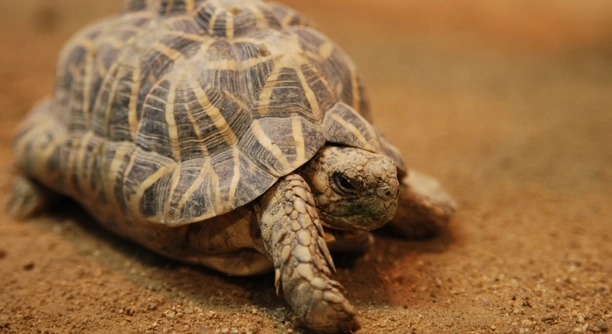
Indian Star Tortoises are fascinating creatures, and many owners are curious about their behavior. One common observation is that these turtles often rest in the same spot. This can leave you wondering why they choose a specific location.
The primary reason for this behavior is that Indian Star Tortoises seek comfort and safety in familiar environments. These tortoises tend to rest in areas that provide warmth, shelter, or easy access to food and water.
Understanding why your tortoise picks a particular spot can help you create a more comfortable environment. There are a few key factors that play into this behavior.
Environmental Factors
Your Indian Star Tortoise is likely choosing a spot to rest based on its environment. These turtles are known to seek out locations that meet their basic needs. Temperature and humidity play a large role in where they choose to relax. If a particular spot is warmer or cooler, it can become their go-to resting area. Tortoises are also sensitive to the amount of light they receive. They naturally seek places that provide a balance of sunlight and shade throughout the day, which is crucial for regulating their body temperature.
The environment impacts their health and comfort. If the spot they rest in offers everything they need, it makes sense they will continue to use it. It’s not just about warmth or shelter but also about how they feel in that space.
In addition to temperature, the humidity level is vital for these tortoises. Too much moisture can be uncomfortable, while too little can cause health problems. A well-regulated environment provides your tortoise with the conditions it needs to stay healthy and active.
Safety and Security
Your Indian Star Tortoise may find comfort in resting in the same place because it feels secure. Tortoises are naturally cautious animals and prefer familiar surroundings.
A place where they feel safe can help them relax. It’s important to provide them with a space free from sudden disturbances or loud noises. Having a stable environment can encourage your tortoise to settle in one spot without feeling the need to move frequently. Tortoises do not enjoy feeling exposed, so having a cozy, protected resting spot is key to their well-being.
Temperature Preferences
Indian Star Tortoises are highly sensitive to temperature. They tend to rest in areas where they can maintain a comfortable body temperature. If they feel too cold, they will look for a warmer spot. A warmer area allows their body to function optimally, helping digestion and overall health.
When setting up their environment, ensure there are warm and cool spots available. Tortoises naturally regulate their body temperature by moving between these areas. Having the right temperature range is essential, as extreme heat or cold can stress your tortoise.
A heat lamp or a basking spot can help provide warmth during cooler periods of the day. These tortoises are often most active in the early morning or late afternoon when temperatures are not too extreme. Understanding your tortoise’s need for heat can help you create a more suitable habitat.
Routine and Comfort
Your Indian Star Tortoise can develop a preference for a specific spot if it becomes part of its routine. Tortoises are creatures of habit, and they often seek out places they associate with comfort and security.
Over time, they may choose to rest in a familiar corner, under a specific rock, or near their food source. This behavior helps them feel at ease because they know they can count on these spots for the resources they need. They are less likely to wander aimlessly if they are comfortable.
Ensuring consistency in their living conditions can help support this behavior. This includes having the same arrangement of objects in their enclosure and keeping their environment steady. By understanding the routine, you can enhance your tortoise’s quality of life.
Health and Wellness
Indian Star Tortoises may choose a resting spot based on their health needs. If they’re feeling unwell or stressed, they might seek a place that offers security and comfort. This helps them conserve energy and recover. If your tortoise keeps resting in one spot, it’s important to check for any signs of discomfort or illness.
When a tortoise rests in the same spot consistently, it may also indicate that they are not as active as usual. This could be a result of health concerns, such as dehydration or a shell injury. Pay close attention to their overall behavior.
Make sure their diet is well-balanced and that they are hydrated. Any changes in their eating habits or excessive resting may indicate that it’s time for a checkup.
Space and Size of Enclosure
The size of the enclosure can influence where your tortoise chooses to rest. A small enclosure might limit the space available for your tortoise to explore and move around.
If the habitat is too cramped, your tortoise may feel confined, forcing it to settle in one area more frequently. Properly sizing the enclosure will allow them to roam, providing more comfort and options for where they rest. You should aim for a spacious setup that encourages your tortoise to be more active and healthy.
Interaction with Other Pets
If you have other pets, they can impact where your Indian Star Tortoise rests. Tortoises are generally peaceful, but if there’s another pet in the area, it may make them feel insecure or stressed. This could lead them to choose a familiar, secluded spot to rest in.
Consider the interactions between pets, especially if there are more active or larger animals in the home. A quiet, undisturbed space can help your tortoise feel safe and at ease. The less movement or noise, the better it will be for their overall well-being.
FAQ
Why does my Indian Star Tortoise stay in one spot all day?
Your tortoise likely stays in one spot because it’s comfortable there. It could be resting in a spot with the right temperature, safety, or proximity to food and water. Tortoises are creatures of habit and may favor certain spots for their daily needs. If the spot offers warmth or shade, it’s easier for them to remain there rather than move around. However, if the behavior seems unusual or prolonged, it’s worth checking if your tortoise is feeling unwell.
Can I move my tortoise to a new spot?
Yes, you can move your tortoise to a new spot, but it’s important to do it gradually. Tortoises may feel disoriented or stressed by sudden changes. When you relocate them, ensure the new spot meets their basic needs like temperature, humidity, and access to food. It’s important to avoid making drastic changes that could cause your tortoise unnecessary stress.
Should I be concerned if my tortoise rests in the same spot for a long time?
If your tortoise stays in the same spot for extended periods, it could indicate a few things. It might be that they feel secure there, or it could point to a potential health issue. If your tortoise is eating, drinking, and behaving normally otherwise, then it’s probably not a concern. However, if there are signs of lethargy, lack of appetite, or abnormal behavior, it’s wise to consult a veterinarian to rule out any underlying health problems.
What are signs that my tortoise is stressed?
Signs of stress in Indian Star Tortoises include excessive hiding, not eating, or becoming more aggressive than usual. They may also stop basking or become withdrawn. Stress can be caused by environmental changes, such as moving to a new location, improper temperature, or even the presence of other animals. If your tortoise displays any of these signs, it’s best to examine its environment and make sure it is calm, secure, and comfortable.
Can I use a heat lamp to provide warmth for my tortoise?
Yes, a heat lamp is a great way to provide warmth for your Indian Star Tortoise. These tortoises need access to a basking area with a heat source to regulate their body temperature. Make sure the heat lamp provides enough warmth without making the enclosure too hot. You can also use a thermometer to monitor the temperature and ensure it stays within the recommended range.
Does my tortoise need direct sunlight?
Yes, Indian Star Tortoises need access to natural or artificial UVB light for their health. UVB light helps them produce vitamin D3, which is essential for calcium absorption and shell growth. If they’re kept indoors, a UVB bulb will be necessary to mimic natural sunlight. Make sure the light is positioned correctly so your tortoise can bask under it, but also provide a shaded area for when they need to cool off.
How can I tell if my tortoise is getting enough food?
Your tortoise should have a balanced diet consisting mostly of leafy greens, grasses, and occasional fruits. The right amount of food can depend on the tortoise’s age and size. Healthy tortoises are active and maintain a steady weight. If your tortoise is losing weight, not eating, or shows little interest in food, it might indicate an issue with the diet or health. Keep an eye on its appetite and weight, and consult a vet if anything seems off.
Should I provide a water dish for my tortoise?
Yes, providing a shallow water dish is important for hydration. Indian Star Tortoises may drink from the dish or soak in it to help with hydration and to keep their skin moist. Make sure the dish is shallow enough for your tortoise to get in and out of easily. Clean the water regularly to prevent bacteria buildup.
How do I keep my tortoise from becoming too active?
If your tortoise seems to be too active or restless, it could be a sign that its environment isn’t providing what it needs. Make sure the temperature and humidity are appropriate. If they’re too cold or dry, your tortoise may try to move around more. Additionally, ensure there are plenty of shaded areas and hiding spots where your tortoise can rest.
How often should I clean my tortoise’s enclosure?
Cleaning the enclosure regularly is essential for your tortoise’s health. Ideally, the enclosure should be cleaned at least once a week. This includes removing uneaten food, changing the water, and disinfecting surfaces to prevent bacteria buildup. For more heavily used areas like basking spots, cleaning may be required more often to keep the environment hygienic.
Is it okay for my tortoise to sleep a lot?
It’s normal for Indian Star Tortoises to sleep for a significant portion of the day, especially during cooler periods or when they feel secure in their environment. If your tortoise is eating well, drinking enough water, and seems active at certain times, then there’s generally no need to worry about their sleep habits. However, if it seems overly lethargic or refuses to wake up, it could be a sign of a health issue.
How do I know if my tortoise is happy?
A happy tortoise is typically active during the day, eating regularly, and interacting with its environment. It will bask in a warm spot, explore its enclosure, and occasionally dig or forage for food. If your tortoise is resting in one spot but otherwise seems content and healthy, it’s likely doing fine. Look for signs of movement, curiosity, and regular eating habits to gauge its happiness.
Final Thoughts
Understanding your Indian Star Tortoise’s behavior, including why it may rest in the same spot, is important for creating the best living environment. These tortoises are creatures of habit, and they often prefer a consistent, secure space to relax. The key factors behind this behavior can include comfort, safety, temperature regulation, and even health. When your tortoise consistently rests in the same spot, it could simply be because they have found a place that meets all their needs. It’s essential to observe their habits and ensure their living conditions are suitable for their well-being.
However, it’s also important to be mindful of any changes in their behavior. If your tortoise is resting in the same spot more than usual or seems lethargic, this could be a sign of stress or illness. Temperature, humidity, and enclosure size all play a role in your tortoise’s comfort level. If these factors are not properly managed, it could cause your tortoise to retreat to a specific spot more often. Ensuring that your tortoise has access to proper warmth, food, water, and a safe environment can help keep them healthy and happy.
In summary, while your tortoise’s preference for resting in a certain spot is likely a natural behavior, you should always keep an eye on their overall health and environment. Make sure they have enough space to move around, access to warmth, and a consistent routine. Understanding why your tortoise behaves the way it does helps ensure that it thrives in a healthy, comfortable setting. If you ever notice any signs of stress, illness, or unusual behavior, don’t hesitate to make changes to its environment or consult a veterinarian.

Hello,
If you enjoy the content that we create, please consider saying a "Thank You!" by leaving a tip.
Every little bit helps us continue crafting quality advice that supports the health, happiness, and well-being of pets around the world, for pets of all shapes, sizes, and species.
We really appreciate the kindness and support that you show us!