
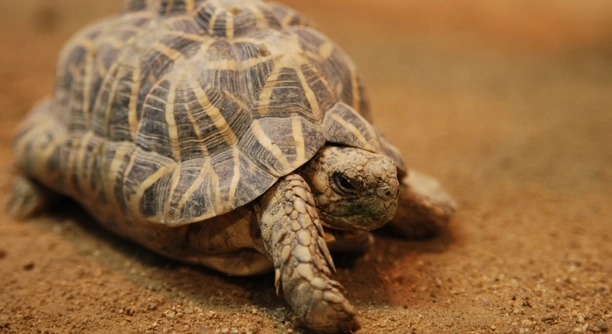
Indian Star Tortoises, like many reptiles, need a hide box for security and comfort. Encouraging them to use it can sometimes be tricky. Understanding the best methods can help make their environment more inviting.
To encourage Indian Star Tortoises to use their hide box, provide a suitable substrate, maintain proper temperature and humidity, and place the box in a quiet, low-traffic area. These adjustments will help create a safe, welcoming space for your tortoise.
By following these simple steps, you can improve your tortoise’s well-being and ensure they feel comfortable in their hide box.
Creating a Comfortable Substrate for Your Tortoise
The substrate inside the hide box plays a significant role in making it an inviting space for your Indian Star Tortoise. Choose a material that mimics the natural environment, such as coconut coir, aspen shavings, or even a mix of both. The substrate should be easy to maintain and provide a comfortable surface for the tortoise to rest on. It is also important to keep the substrate dry to prevent any bacterial growth that could harm your tortoise.
A well-maintained substrate will give your tortoise a safe and comfortable area to retreat to. This adds a layer of security, which is essential for their well-being. Ensure the substrate is deep enough for them to burrow into, providing a sense of privacy and comfort.
Adding a bit of moisture to the substrate can also help maintain humidity levels, which are crucial for your tortoise’s health. While too much moisture can lead to mold, the right balance ensures a stable, safe environment inside the hide box.
Maintaining Ideal Temperature and Humidity
Proper temperature and humidity are essential for Indian Star Tortoises. The hide box should maintain a stable environment with a temperature between 80°F to 85°F during the day. You can achieve this by placing a heat source nearby but not directly inside the hide box. If the temperature fluctuates too much, it can make the hide box less inviting for your tortoise.
Humidity is equally important. Tortoises need a moderate level of humidity to avoid dehydration. Aim for around 60-70% humidity inside the enclosure. Adding a humidifier or misting the area lightly can help maintain these levels. Keep in mind that the humidity should not be too high, as this could lead to health issues like respiratory infections.
Having the right temperature and humidity levels in place will ensure your tortoise feels secure and comfortable in its hide box, encouraging them to use it regularly.
Placing the Hide Box in a Quiet Area
Placing the hide box in a quiet, low-traffic area of the enclosure will make it more likely that your Indian Star Tortoise will use it. Avoid placing the box in areas where there is too much activity, as your tortoise may feel stressed or threatened by movement. Tortoises are shy creatures and need a safe, calm environment to thrive.
Choose a spot away from direct light, drafts, or loud noises. The hide box should provide a secluded retreat for your tortoise, where they can escape from the rest of their enclosure and feel safe. A corner or a slightly hidden area works well for this purpose.
Remember that your tortoise’s behavior can be affected by its surroundings. By placing the hide box in a peaceful corner, you’ll give your tortoise the chance to explore and use the box at its own pace.
Additional Tips to Encourage Use of the Hide Box
Aside from adjusting the substrate, temperature, humidity, and placement, there are a few other steps you can take to encourage your tortoise to use its hide box more often. Offering food inside the hide box is one such trick. If your tortoise associates the hide box with something positive like food, it will be more likely to seek it out.
Introducing a small water dish near the hide box can also encourage your tortoise to use it. Tortoises often search for areas with water, especially in warmer environments. This subtle addition can make the area around the hide box more inviting.
Additionally, avoid cleaning the hide box too frequently, as the familiar scent will make it feel like a more comfortable space for your tortoise. Only clean it when necessary to maintain hygiene but keep some natural odors that provide a sense of security.
Ensuring Proper Size and Shape for the Hide Box
The size and shape of the hide box are crucial to make it inviting for your tortoise. A box that is too small can make your tortoise feel cramped, while one that is too large may not provide the feeling of security they need. Choose a hide box that is just big enough for your tortoise to enter, turn around, and rest comfortably inside.
Make sure the entrance is wide enough for your tortoise to move in and out easily, but not too large. A smaller entrance will help create a more secure environment, as it limits open space. This way, your tortoise will feel more protected when inside the hide box.
The hide box should also be stable. A box that shifts or wobbles can make your tortoise feel uneasy. Ensure it sits firmly in place and doesn’t move when your tortoise enters or exits. Stability adds to the overall comfort and security of the space.
Using Natural Materials to Encourage Exploration
Using natural materials inside the hide box can make it more appealing to your tortoise. Materials like dried leaves, grasses, and small branches will mimic their natural environment, offering a more stimulating space. These materials also help maintain proper humidity levels while creating a more inviting and secure environment.
Add some soft, safe bedding to the bottom of the box. This helps with comfort and offers a more secure feel. A mix of natural bedding materials, like coconut husk or sphagnum moss, can create a pleasant environment that encourages your tortoise to spend more time in the hide box.
You can also consider adding small hiding places within the box using rocks or logs, which can make the space feel more like a natural burrow. These elements encourage exploration and provide added hiding opportunities, helping your tortoise feel more at ease.
Adding a Light or Heating Element for Comfort
Tortoises need proper warmth to stay healthy, and adding a light or heating element near the hide box can encourage use. Place a heat source close to the box, but ensure it isn’t directly inside to avoid overheating. The warmth will attract your tortoise, especially during cooler times.
Heat lamps or ceramic heat emitters work well for maintaining the necessary temperature in the area. These provide a gentle, consistent heat source that doesn’t disturb your tortoise. When setting up, make sure there is a cooler area within the enclosure so your tortoise can move between zones as needed.
Adding this heating element near the hide box helps create a comfortable environment for your tortoise. It encourages them to use the box, as they will seek out warm areas during their active and resting periods.
Making the Hide Box Accessible
The hide box should be easy for your tortoise to access. Ensure there are no obstacles or barriers that could prevent your tortoise from entering. If the entrance is too high, consider adding a ramp or lowering the box to ground level for easier access.
Accessibility encourages your tortoise to feel more comfortable exploring and using the hide box. A smooth, easy path to the box is crucial for making it a regular part of their habitat. Without obstacles, your tortoise will likely use the hide box more frequently.
Monitoring Behavior and Adjusting the Setup
Observe your tortoise’s behavior and make adjustments to the hide box as needed. If your tortoise is not using the box, consider altering the surroundings, like changing the location or adding new materials. Small changes can make a big difference in how comfortable they feel.
Tortoises are creatures of habit, but they can also be sensitive to changes in their environment. Making simple adjustments can help establish a routine where your tortoise actively seeks the hide box. Pay attention to signs of stress or avoidance, which may indicate a need for further changes.
Regular Cleaning for a Comfortable Environment
Regular cleaning of the hide box is essential for maintaining a comfortable environment. Remove any waste, food remnants, or moldy bedding that can build up over time. Keeping the space clean ensures your tortoise remains healthy and comfortable.
Use non-toxic cleaning products when sanitizing the box. Avoid harsh chemicals, as these can create harmful fumes or irritate your tortoise’s sensitive skin. Clean the hide box thoroughly, but not too often, to avoid disrupting your tortoise’s scent markers inside the box.
FAQ
How do I know if my tortoise is using the hide box?
One way to tell is by observing if your tortoise enters the hide box during their resting periods or at night. If the box is frequently empty, your tortoise may not feel comfortable using it. Signs like your tortoise staying close to the box or showing interest in it when placed nearby indicate curiosity. Additionally, if they hide inside when you’re not around, it’s a clear sign they feel secure.
What should I do if my tortoise refuses to use the hide box?
If your tortoise refuses to use the hide box, it’s essential to assess the conditions. Check if the box is the right size, shape, and temperature. If not, try adjusting the materials inside or relocating the box to a quieter, more private spot. Some tortoises take time to get used to new additions in their habitat. Giving it time or tweaking the environment often helps them feel more comfortable.
Can I use artificial materials in the hide box?
While natural materials like wood, moss, and dried leaves are most suitable, you can use artificial materials if they are safe. Avoid using any plastic that can be ingested or materials with harsh chemicals. Opt for soft, non-toxic artificial bedding that mimics the natural environment. Always prioritize your tortoise’s safety when choosing materials.
How often should I clean the hide box?
Cleaning the hide box should be done regularly to maintain hygiene. Remove waste and soiled bedding every few days. Once a week, take out all materials and give the box a thorough cleaning with warm water and a mild, non-toxic cleaner. This ensures a healthy environment and prevents any buildup of bacteria or fungi.
What size hide box is best for my tortoise?
The size of the hide box should be proportional to your tortoise’s size. It should allow enough space for them to move around comfortably but not be too large. A hide box that is roughly 1.5 times the length of your tortoise provides a good balance. Make sure the entrance isn’t too wide to help create a sense of security.
Should the hide box have ventilation?
Yes, ventilation is important for air circulation inside the hide box. Ensure that the box has small holes or gaps that allow fresh air to enter. Poor ventilation can cause humidity buildup, which could lead to mold growth or an uncomfortable environment for your tortoise. Be careful not to make the holes too large, as they may compromise the box’s security.
Can I use a hide box with a heat source inside?
It’s not recommended to place a heat source directly inside the hide box. While warmth is essential, excessive heat could make your tortoise uncomfortable or overheat them. Instead, place the heat source near the box, allowing your tortoise to choose when to enter the warmer area. This setup provides a natural thermal gradient for your tortoise to regulate their temperature.
How can I make my tortoise feel safe in the hide box?
To make the hide box feel safer, ensure it is located in a quiet and low-traffic area of the enclosure. Use natural, soft bedding inside the box, and avoid loud noises or sudden movements nearby. Tortoises are shy animals, so creating a secure, calm environment will encourage them to use the hide box.
Can I use multiple hide boxes in the enclosure?
Yes, providing multiple hide boxes can be beneficial, especially if your enclosure is large or if you have more than one tortoise. Multiple boxes give your tortoises options to choose from, increasing the chances they’ll find a hide spot they like. Make sure each box is appropriately sized and situated in different parts of the enclosure.
How do I know if the hide box is too hot for my tortoise?
If your tortoise is constantly avoiding the hide box or appears to be resting away from it, the temperature inside may be too high. Tortoises seek cooler spots if they are too warm, so monitor the temperature in and around the hide box to ensure it falls within the optimal range. A thermometer inside the box helps track the temperature. If it’s too warm, adjust the heat source’s position or remove it from the box entirely.
Final Thoughts
Creating a suitable environment for your Indian Star Tortoise is essential for their overall well-being. Providing a hide box that meets their natural instincts can reduce stress and give them a sense of security. A hide box not only serves as a place for rest but also provides a safe retreat from the outside world, which is crucial for their health. Ensuring that your tortoise can easily access the box, feels comfortable in it, and uses it regularly will help improve their overall happiness and reduce anxiety.
While the hide box itself is important, there are other factors that contribute to its effectiveness. Temperature control, cleanliness, and proper placement all play a role in whether your tortoise will use it. The hide box should be kept at an appropriate temperature, not too hot or cold, and free of any contaminants that could harm your tortoise. Regular maintenance, including cleaning and replacing bedding, is also necessary to keep the box a comfortable and healthy space. With these considerations in place, your tortoise will likely use the hide box as intended.
Lastly, remember that patience is key. Some tortoises may take time to adjust to a new hide box, especially if it is introduced later in their life. Observe your tortoise’s behavior and make changes as needed, whether that means adjusting the size, changing the bedding, or moving the box to a quieter part of their enclosure. Small adjustments can make a big difference in encouraging them to use the hide box regularly. By paying attention to their preferences and needs, you can create a space that supports both their physical and emotional health.

Hello,
If you enjoy the content that we create, please consider saying a "Thank You!" by leaving a tip.
Every little bit helps us continue crafting quality advice that supports the health, happiness, and well-being of pets around the world, for pets of all shapes, sizes, and species.
We really appreciate the kindness and support that you show us!