
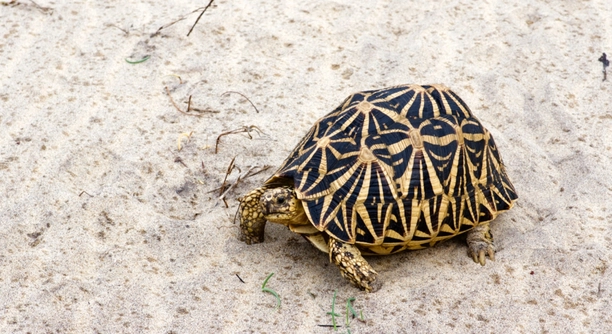
Indian Star Tortoises are fascinating creatures, often displaying behaviors that pique curiosity. One common habit many owners observe is their tendency to climb rocks or other objects in their environment. This behavior may seem odd, but it has explanations rooted in their natural instincts.
The primary reason your Indian Star Tortoise tries to climb rocks is due to its instinctual behavior. In the wild, they climb to explore their environment, find food, and bask in sunlight. This behavior mimics their natural habitat and provides enrichment.
Understanding the motivations behind this behavior can help improve your tortoise’s living conditions and prevent unnecessary stress. By addressing their needs, you can ensure they stay happy and healthy.
Why Do Indian Star Tortoises Climb Rocks?
Indian Star Tortoises are naturally curious, and climbing rocks is part of their exploration. In their natural habitat, they seek high spots for better views, warmth, or even to escape predators. The rocks you see them climbing likely serve as a substitute for similar structures found in the wild, offering them the same comfort and stimulation. Climbing may also be a sign of their need for physical exercise and mental enrichment. Without enough stimulation, they may engage in this behavior more frequently.
Climbing helps your tortoise stretch and strengthen its muscles. It also allows them to maintain the sharp instincts they would have used in the wild. This behavior can show your tortoise is content and actively engaging with its surroundings. A lack of such activities could lead to boredom or stress.
Ensure your tortoise has access to varied environments that support climbing. Include different textures, like rocks or logs, to mimic its natural habitat. By doing so, you can create a more enriching space for your tortoise. This will help satisfy their climbing instinct and provide much-needed physical activity.
How Can You Manage This Behavior?
Managing the climbing behavior involves setting up a proper environment. It’s important to avoid creating obstacles that could hurt them while climbing. Make sure the area is safe and that the climbing surface is not too steep or slippery. Adding a variety of different textures and heights will not only help satisfy your tortoise’s need to climb, but also give them space to exercise and explore. Providing a diverse habitat mimics nature, allowing your tortoise to live happily and healthily in captivity.
Importance of Proper Habitat
A proper habitat is key to your tortoise’s well-being. Providing a safe environment where they can express natural behaviors like climbing helps keep them active and healthy. An enriching environment also reduces stress and promotes overall happiness. By simulating the wild as much as possible, your tortoise feels comfortable and secure.
To set up a habitat that encourages climbing, include a variety of surfaces, such as flat rocks, logs, and sturdy plants. Make sure the climbing structures are at an appropriate height to avoid injury. You can also add a basking spot on top of these surfaces to encourage your tortoise to climb and stay active. The goal is to replicate the natural environment without making it too difficult or dangerous for your tortoise.
Having a balance between climbing areas, hiding spots, and resting places is essential. Ensure your tortoise can move freely around the enclosure without obstacles that could cause harm. This kind of setup will not only address the climbing urge but also promote mental stimulation and physical exercise.
Recognizing Stress or Boredom
Tortoises can climb excessively when they’re stressed or bored. If your Indian Star Tortoise is constantly climbing, it may be trying to escape its environment or seeking stimulation. The key to solving this is ensuring their space is well-equipped for exploration and comfort. Offering a variety of enrichment options will prevent your tortoise from feeling trapped or overwhelmed.
To help alleviate stress, consider incorporating both active and quiet spaces into the enclosure. This includes hiding spots where your tortoise can retreat and feel secure. When your tortoise feels safe and stimulated, it will engage in climbing less frequently. Additionally, make sure to handle your tortoise gently and avoid overexposing it to too much light or heat. With the right balance, your tortoise will enjoy climbing while avoiding unnecessary stress.
Benefits of Climbing for Indian Star Tortoises
Climbing provides essential physical and mental stimulation. It helps your tortoise stay fit and agile, preventing issues like obesity or muscle atrophy. This natural behavior also encourages curiosity and exploration, which are important for their overall well-being. Allowing them to climb supports their instinctual needs.
Providing the opportunity to climb reduces the risk of boredom. A bored tortoise can develop destructive habits, and climbing helps counteract this. Offering climbing structures in their habitat allows them to express natural behaviors, helping them feel more secure and content in their environment. It’s vital for their health and happiness.
Types of Climbing Structures
Adding various climbing structures can make a big difference in your tortoise’s behavior. Rocks, logs, and safe plant structures mimic their natural surroundings. Providing different heights and textures encourages your tortoise to climb and explore. Just make sure the surfaces are secure to prevent accidents or falls. It’s best to have a mix of smooth and rough surfaces to allow climbing opportunities while ensuring safety.
Ensuring Proper Lighting and Temperature
Proper lighting and temperature play a big role in how active your tortoise will be. Too much heat or too little light can cause your tortoise to become sluggish, making them less likely to climb or explore. Ensure your tortoise has access to both UVB light and heat to regulate their body temperature.
FAQ
Why is my Indian Star Tortoise climbing so much?
Your Indian Star Tortoise is likely climbing due to natural instincts. Climbing allows them to explore their environment, bask in the sun, and stay physically active. In the wild, they would climb rocks or trees to seek food or shelter. If your tortoise is climbing excessively, it could also be a sign that it’s seeking enrichment or trying to escape an area that feels too small or uninteresting.
Can climbing be harmful to my tortoise?
Climbing itself isn’t harmful as long as the surfaces are safe and not too steep or slippery. However, improper structures or dangerous heights can lead to falls, which could cause injuries. Ensure that the climbing surfaces are stable and that the height is appropriate for your tortoise to avoid accidents. Keep an eye on their behavior to ensure they’re not overexerting themselves or risking harm.
How can I reduce excessive climbing in my tortoise?
If your tortoise is climbing excessively, it may be due to stress, boredom, or a lack of sufficient space. To reduce climbing, ensure your tortoise has a variety of enrichment activities, including hiding spots and food puzzles. Providing more floor space and safe structures for climbing can help, as well as making sure the temperature and lighting in the habitat are ideal for comfort.
Should I add more rocks or climbing objects in my tortoise’s enclosure?
Yes, adding more climbing structures can be beneficial. Provide a variety of rocks, logs, and safe plant structures to mimic your tortoise’s natural habitat. This encourages exploration and provides both physical exercise and mental stimulation. However, it’s important to make sure the objects are stable and positioned safely to prevent injury.
What type of lighting is best for my tortoise’s climbing activity?
Proper UVB lighting is essential for your tortoise’s overall health, as it helps with calcium absorption and promotes natural behavior, including climbing. Tortoises also need a basking spot with a heat source to regulate their body temperature. Proper lighting encourages active behavior and will help your tortoise feel more comfortable, which may reduce excessive climbing if that’s a concern.
Can my tortoise climb out of its enclosure?
Yes, it’s possible for a tortoise to climb out of an enclosure if it’s not designed with safety in mind. If your tortoise is a frequent climber, make sure the walls are tall enough to prevent escape. You may also need to add a lid or higher walls, depending on the species and how determined your tortoise is to climb.
How often should I change the climbing structures in my tortoise’s habitat?
Changing the climbing structures every few months can help maintain interest and provide new challenges for your tortoise. You can rearrange the objects you already have or introduce new ones to offer different textures and heights. Regularly changing the setup helps prevent boredom and allows your tortoise to keep exploring and engaging with its environment.
What is the ideal temperature for a tortoise that climbs?
The ideal temperature for an Indian Star Tortoise is between 75°F and 85°F during the day, with a basking area that reaches up to 90°F. These temperatures will help your tortoise stay active and comfortable, which can encourage climbing. At night, temperatures should drop to around 70°F. Ensuring a proper temperature range supports climbing and other natural behaviors.
Can climbing help prevent my tortoise from getting bored?
Yes, climbing is a great way to keep your tortoise from becoming bored. In the wild, tortoises are active explorers, and climbing offers a form of exercise and mental stimulation. By providing a variety of climbing opportunities, you mimic their natural behavior and prevent boredom, which could otherwise lead to stress or unwanted behaviors.
How can I tell if my tortoise is stressed from climbing?
Excessive climbing can sometimes be a sign of stress, especially if your tortoise seems unable to settle down or is constantly trying to escape. If your tortoise is climbing excessively, along with showing signs like loss of appetite, lethargy, or changes in behavior, it could indicate stress. Ensure their habitat is large enough and contains hiding spots, as well as areas for them to feel secure.
Final Thoughts
Understanding why your Indian Star Tortoise climbs is crucial for ensuring its well-being. Climbing is a natural behavior for tortoises, allowing them to stay physically active, explore, and express their instincts. It helps keep them engaged and prevents boredom, which can lead to stress or unwanted behavior. When your tortoise climbs, it is simply trying to interact with its surroundings, whether it is seeking out food, shelter, or simply exploring. It’s essential to provide the right environment to meet these needs. A well-equipped habitat will encourage climbing in a healthy way, helping your tortoise stay happy and active.
Creating an environment that supports natural climbing behavior requires careful planning. Providing stable and safe climbing structures, such as rocks, logs, and flat surfaces, can mimic your tortoise’s natural habitat. These objects should be placed in a way that encourages exploration while preventing falls or injury. In addition to climbing areas, you should offer plenty of hiding spots and safe spaces for your tortoise to retreat to when it feels the need. A balanced setup will allow your tortoise to engage in climbing while ensuring it has everything it needs to feel secure and comfortable in its space.
By meeting the physical, mental, and environmental needs of your tortoise, you can foster a more satisfying and stress-free life for your pet. While climbing is important for its health, it should always be balanced with other enrichment activities. Pay attention to factors like lighting, temperature, and space, as these contribute to overall well-being. With the right care, your Indian Star Tortoise will thrive in its habitat, exploring and climbing as part of its natural behavior, while you can enjoy observing its activity and growth.

Hello,
If you enjoy the content that we create, please consider saying a "Thank You!" by leaving a tip.
Every little bit helps us continue crafting quality advice that supports the health, happiness, and well-being of pets around the world, for pets of all shapes, sizes, and species.
We really appreciate the kindness and support that you show us!