
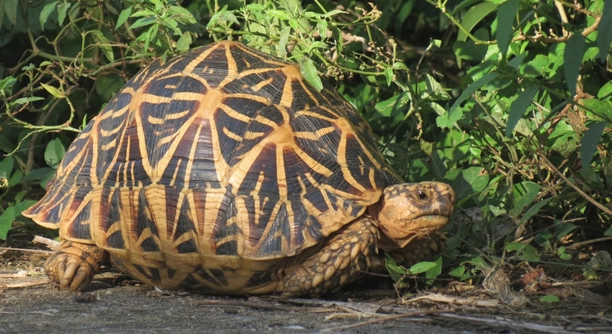
Indian star tortoises are herbivores, and their diet consists of a variety of plants, grasses, and fruits. As a responsible pet owner, it’s important to know which fruits are safe and beneficial for your tortoise.
Peaches can be fed to Indian star tortoises in moderation. They provide nutrients and hydration but should be offered occasionally due to their sugar content. Too much fruit, especially sugary ones, can lead to digestive problems and obesity.
Feeding peaches the right way is crucial for your tortoise’s health. Understanding how to offer them safely will ensure their well-being while enjoying a treat.
How Peaches Affect Indian Star Tortoises
Peaches are packed with vitamins and minerals that can benefit your tortoise when given in moderation. These fruits contain vitamin C, potassium, and fiber, which support overall health. However, the high sugar content is something to be cautious about. Too much sugar can disrupt their digestion and lead to obesity, a common issue in captive tortoises. Since tortoises are slow metabolisers, a diet too rich in fruit may cause long-term health problems.
Offering peaches occasionally as a treat can be a fun and nutritious option for your tortoise, but don’t make them a regular part of their diet. It’s best to balance peach servings with more common tortoise foods like leafy greens and grasses, which provide essential nutrients. This approach ensures your tortoise stays healthy and happy.
Fruits like peaches should never replace the primary diet of grasses and leafy vegetables. You want to give your tortoise a balanced, well-rounded diet. When feeding fruits, it’s always a good idea to remove the pit to prevent accidental swallowing.
How to Serve Peaches to Your Tortoise
Before offering peaches, wash them thoroughly to remove any pesticides or chemicals. Cut the peach into small, manageable pieces to avoid any choking hazards. By serving small portions, you can better control the amount of sugar your tortoise consumes.
It’s also essential to remove the peach pit, as it can pose a choking risk. Avoid serving canned or processed peaches, as these often contain added sugars or preservatives that aren’t good for your tortoise. Stick with fresh, ripe peaches for the best nutritional value.
How Often Can You Feed Peaches to Your Tortoise?
Feeding peaches once a week is sufficient. Too much fruit can disrupt your tortoise’s diet, leading to potential health concerns. It’s important to provide variety in their meals, including leafy greens, grasses, and other vegetables.
Offering peaches as an occasional treat will keep your tortoise healthy and provide them with the necessary nutrients from other food sources. If you feed peaches too frequently, your tortoise may become accustomed to the sweetness, reducing their interest in more nutritious options. Keeping fruit servings occasional ensures your tortoise gets a balanced diet.
It’s also important to monitor your tortoise’s weight and health. If you notice any changes in behavior, such as lethargy or weight gain, reconsider the frequency of fruit offerings. Peaches should never make up more than 10% of their diet, ensuring that they remain healthy and active.
Potential Risks of Feeding Too Many Peaches
Feeding too many peaches can lead to digestive issues. The high sugar content in peaches can cause bloating, diarrhea, and upset stomachs in tortoises if consumed too often. It may also lead to excessive weight gain, affecting their mobility and overall health.
Some tortoises are more sensitive to sugar than others. Over time, feeding them too much fruit can lead to metabolic disorders. These issues may not show immediately but can become significant as they grow older. If your tortoise is overweight or shows signs of digestive distress, you should immediately reduce their fruit intake. Regularly monitoring their health and adjusting their diet accordingly is key to ensuring they live a long, healthy life.
Additionally, the imbalance of nutrients from feeding fruit too frequently can interfere with your tortoise’s ability to absorb the essential vitamins and minerals found in their primary food sources. This can result in deficiencies over time.
Signs Your Tortoise is Eating Too Many Peaches
If your tortoise seems less active than usual or experiences weight gain, it could be a sign they’re eating too many peaches. Overeating fruits can lead to a lack of interest in other foods.
Another indication is gastrointestinal upset, including soft stools or diarrhea. If these symptoms appear, you may need to adjust their diet. A decrease in appetite for their usual leafy greens may also occur. Watch for these signs to ensure your tortoise stays healthy.
Regularly checking your tortoise’s weight and behavior will help you gauge if you’re feeding too many sugary treats.
Alternatives to Peaches for Your Tortoise
While peaches can be an occasional treat, there are other fruits and vegetables that are healthier for your tortoise. Leafy greens, such as dandelion greens and kale, provide essential nutrients without the sugar content found in peaches. You can also offer cucumbers, bell peppers, and hibiscus flowers.
These options can be regularly included in your tortoise’s diet, providing variety and supporting their health. Always aim for a balanced diet of leafy vegetables and grasses, as these make up the majority of their nutritional needs.
How to Safely Introduce New Foods
Introducing new foods to your tortoise should be done gradually. Start by offering small amounts and observe how your tortoise reacts to the new treat. This helps prevent digestive upset. Always monitor them for any adverse reactions.
After a few days, you can increase the serving size if no negative effects are seen. Introduce new fruits and vegetables one at a time to avoid overwhelming their digestive system.
FAQ
Can Indian star tortoises eat other fruits?
Yes, Indian star tortoises can eat a variety of fruits, but it’s important to offer them in moderation. Some safe options include strawberries, raspberries, and melon. However, like peaches, fruits should only make up a small portion of their diet, around 10% or less. Avoid feeding them high-sugar fruits frequently, as this can cause health problems.
Are peaches safe for baby Indian star tortoises?
Peaches are generally safe for baby tortoises in small quantities. However, baby tortoises have more sensitive digestive systems than adults, so it’s essential to limit their fruit intake. Overfeeding fruits, especially sugary ones like peaches, can disrupt their growth and lead to digestive issues. Stick to offering small amounts and focus on leafy greens and other plant-based foods.
What is the best diet for Indian star tortoises?
The best diet for Indian star tortoises consists of a variety of grasses, leafy greens, and some vegetables. They should eat foods high in fiber, such as dandelion greens, clover, and hay. Offering a mix of different plant foods ensures they receive a balanced diet. Fruits like peaches can be offered occasionally but should not replace their primary diet. Fresh water should always be available to keep them hydrated.
How can I tell if my tortoise is overweight?
To determine if your tortoise is overweight, look for changes in their shell and overall shape. If your tortoise’s shell appears rounded and bloated, this could be a sign of excess weight. Tortoises should have a slightly flattened shape, and you should be able to feel their ribs gently when you touch their sides. Also, if they seem less active or have difficulty moving, it may indicate that they are carrying excess weight.
Can I feed my tortoise canned peaches?
No, you should never feed your tortoise canned peaches. Canned fruits often contain added sugars, preservatives, and syrup, which are harmful to their health. Fresh, ripe peaches are always the best option. If canned peaches are the only option, it’s best to avoid feeding them altogether and stick to other natural food sources.
How do I prevent my tortoise from eating too many fruits?
To prevent overfeeding fruits like peaches, you can limit how often you offer them and reduce portion sizes. Keep fruit treats out of reach, or only give them during specific times, such as a weekly treat. Focus on offering more fibrous foods like grasses and leafy vegetables, which should make up the majority of their diet. If you’re unsure of how much fruit to feed, consult with a veterinarian familiar with tortoises.
What fruits should I avoid feeding my tortoise?
Avoid feeding your tortoise citrus fruits, like oranges and lemons, as they can upset their stomachs. Also, avoid feeding fruits that are overly sweet, like grapes or raisins, since they contain too much sugar and can lead to digestive issues. Stick to safe fruits like melons and berries, and always offer them in moderation.
Can I feed my tortoise peaches every day?
No, peaches should not be fed every day. They are high in sugar and water, and too much of it can lead to weight gain and digestive problems. Offering peaches once a week is sufficient. It’s best to focus on a varied diet of leafy greens, grasses, and other non-sugary vegetables to meet your tortoise’s nutritional needs.
How much fruit is too much for a tortoise?
For Indian star tortoises, fruits should make up no more than 10% of their overall diet. The rest of their diet should consist of fibrous vegetables and grasses. Too much fruit, especially sugary varieties, can cause obesity, digestive problems, and nutritional imbalances. Moderation is key.
What are the signs of a fruit allergy in tortoises?
Signs of a fruit allergy in tortoises may include swelling, difficulty breathing, or an upset stomach. If your tortoise shows any signs of discomfort after eating fruit, stop feeding them that particular fruit and consult a vet. It’s also possible for tortoises to develop sensitivities over time, so always introduce new foods slowly and in small quantities.
Final Thoughts
Feeding Indian star tortoises peaches can be a tasty treat, but it should always be done in moderation. While peaches are not harmful in small amounts, they should not be the primary focus of your tortoise’s diet. A balanced diet of leafy greens, grasses, and vegetables should make up most of their nutrition. Overfeeding peaches or other sugary fruits can lead to health problems such as digestive issues, weight gain, and an imbalanced diet.
When introducing any new food, including peaches, it’s important to observe your tortoise for any adverse reactions. Every tortoise is different, and some may have sensitivities to certain foods. Offering fruit as an occasional treat, rather than a regular part of their diet, is the best way to ensure their overall health and well-being. Always be mindful of portion sizes and try to offer a variety of other plant-based foods that will help support their natural diet.
Ultimately, the key to a healthy tortoise is consistency and balance in their diet. While it can be tempting to give them fruits like peaches, their health will be best maintained by sticking to foods that provide the proper nutrients and fiber they need. By following these simple guidelines and monitoring your tortoise’s health, you can ensure that they thrive and live a long, happy life.

Hello,
If you enjoy the content that we create, please consider saying a "Thank You!" by leaving a tip.
Every little bit helps us continue crafting quality advice that supports the health, happiness, and well-being of pets around the world, for pets of all shapes, sizes, and species.
We really appreciate the kindness and support that you show us!