
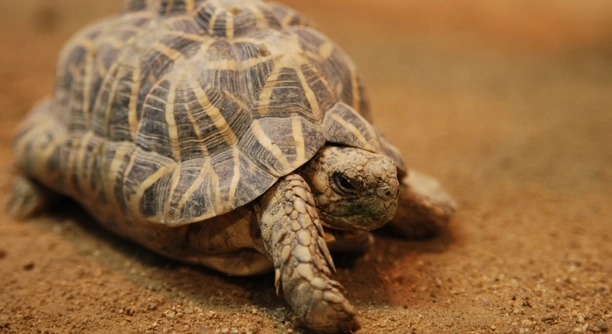
Indian Star Tortoises are known for their unique and beautiful shells. However, shell issues can sometimes arise, affecting their health and well-being. It’s important to recognize and address these concerns as early as possible.
Diagnosing common shell issues in Indian Star Tortoises involves observing signs like shell deformities, discoloration, or scarring. Regular health check-ups and proper care, including correct diet and environmental conditions, are key to preventing and managing these issues effectively.
With these steps, you can identify shell problems early and take appropriate action to help your tortoise live a healthy, happy life.
Identifying Common Shell Deformities
Shell deformities are a common issue in Indian Star Tortoises, and they can happen for several reasons, including poor diet, improper lighting, or inadequate space. Deformities often appear as uneven or misshapen shells that may affect the tortoise’s mobility and overall health. It’s crucial to recognize these signs early to prevent further complications. Regular inspections can help you spot issues like cracks, soft spots, or irregular growth patterns.
The best way to address shell deformities is to maintain a proper diet that includes calcium, vitamins, and minerals. Proper UVB lighting is also essential to help your tortoise metabolize calcium, which strengthens the shell.
To help prevent deformities, make sure the tortoise’s habitat provides enough space for movement and climbing. This promotes healthy shell development and prevents stress that can lead to shell issues. Regularly monitor their growth and shell condition, and seek veterinary advice if deformities become noticeable.
Recognizing Shell Rot
Shell rot is a serious condition where the tortoise’s shell begins to break down due to bacterial or fungal infections. The infection typically causes soft, discolored patches on the shell, which can lead to further damage if left untreated.
To prevent shell rot, it’s essential to maintain a clean environment. Regularly disinfect the tortoise’s habitat and avoid excessive humidity. If rot is detected, a veterinarian should be consulted for treatment. Early intervention is crucial to prevent permanent damage.
Shell Discoloration
Shell discoloration is often a sign of underlying health issues, such as infections, poor diet, or exposure to inadequate lighting. Yellowing, browning, or black spots are common indicators.
This issue can be caused by a calcium deficiency or an unhealthy diet. Ensuring your tortoise gets a balanced diet, including high-quality greens, vegetables, and a calcium supplement, can help prevent discoloration. Additionally, the right lighting, particularly UVB light, is necessary for shell health.
If you notice significant discoloration, it’s best to consult a vet. They can help identify the cause and recommend treatment, such as medication or adjustments to the diet and environment.
Overgrown Scutes
Overgrown scutes, or the individual plates on a tortoise’s shell, can lead to several complications, such as discomfort or infection. Overgrowth happens when the scutes don’t shed properly.
This issue often occurs in tortoises that aren’t getting enough natural exercise or are housed in a too-humid or too-dry environment. To prevent scute overgrowth, ensure your tortoise has access to an area with enough room to move around and maintain proper humidity levels. Regularly monitoring shell health is key to catching the issue early.
If overgrowth persists, you may need to consult a vet to safely trim the scutes and adjust the living conditions. Regular bathing and access to clean water can also help promote healthy shedding.
Cracked Shells
Cracks in the shell can occur from physical trauma or environmental stress. They may appear as visible splits, usually around the edges of the shell.
To avoid cracks, create a safe environment where your tortoise cannot bump into hard surfaces. Offering soft bedding and hiding spaces can reduce the risk of injury.
If your tortoise develops a crack, clean the area carefully and apply a safe shell repair product or consult a vet. Severe cracks may require professional treatment to prevent infection and further damage.
Scarring
Scarring on a tortoise’s shell can result from previous injuries or infections. These marks are usually permanent but can often be managed with proper care.
Make sure to monitor your tortoise’s habitat closely. Clean water and a balanced diet will help prevent further infections that could cause new scarring. Regular health checks are essential to catch any changes in their shell condition early.
If scarring is a result of a past injury, avoid excessive handling or activities that might exacerbate the problem. Healing time depends on the severity of the injury and the tortoise’s overall health.
FAQ
How can I prevent shell issues in my Indian Star Tortoise?
To prevent shell problems, focus on creating the right environment and diet for your tortoise. Provide UVB lighting to aid calcium absorption, keep the enclosure clean, and ensure proper humidity levels. A balanced diet with calcium supplements will promote healthy shell growth. Regularly check for any early signs of shell issues.
What should I do if my tortoise’s shell starts to crack?
If your tortoise’s shell cracks, clean the area gently with warm water and a mild disinfectant. You can apply a shell repair cream to prevent infection. If the crack is deep, consult a vet for proper treatment. Avoid any activity that might cause further injury.
Can I treat shell rot at home?
While mild cases of shell rot may be manageable at home, it’s best to consult a vet for proper diagnosis and treatment. You can clean the affected area with an antiseptic solution, but professional care ensures that the rot is thoroughly treated and infection is prevented. Never ignore severe symptoms.
Why does my tortoise’s shell look discolored?
Shell discoloration could be caused by several factors, including poor diet, dehydration, or inadequate lighting. Ensure your tortoise is receiving the right nutrients, especially calcium and vitamin D, and is exposed to proper UVB light. Discoloration could also be a sign of infection or injury, so regular health checks are important.
How do I know if my tortoise is suffering from shell deformities?
Signs of shell deformities include uneven growth, soft spots, or misshapen areas on the shell. This can be caused by malnutrition, improper lighting, or lack of space for movement. If you notice any abnormal growth or changes in the shell’s appearance, take your tortoise to the vet for a thorough examination.
Is it normal for my tortoise’s scutes to shed?
Yes, it’s normal for tortoises to shed their scutes as they grow. The process helps the shell grow in size and strength. However, if scutes are shedding unevenly or too often, it could be a sign of an underlying health issue. Make sure your tortoise has enough space to move around and regular baths to help with shedding.
How can I treat scarring on my tortoise’s shell?
Scarring is often permanent, but you can help your tortoise heal by providing a stress-free environment, a proper diet, and avoiding further injury. If the scarring is from an infection, your vet may prescribe medication to prevent further damage. Keep the shell clean and ensure it doesn’t become infected.
What causes shell rot, and how do I avoid it?
Shell rot is usually caused by bacterial or fungal infections, often from poor hygiene or excessive moisture. To avoid shell rot, maintain a clean and dry enclosure, providing fresh water daily and proper ventilation. A balanced diet, appropriate UVB lighting, and avoiding excessive humidity will also help prevent it.
Why is my tortoise’s shell becoming soft?
A soft shell often indicates a calcium deficiency, which can be caused by poor diet or lack of UVB light. Ensure your tortoise receives a calcium supplement and has access to proper lighting to help with calcium absorption. If the shell remains soft despite these changes, consult a vet for further evaluation.
Can my tortoise’s shell heal after injury?
Shell injuries can heal over time, but the extent of recovery depends on the severity of the damage. Minor cracks or scrapes can heal with proper care, such as cleaning and applying a shell repair cream. For deeper injuries or large cracks, veterinary intervention is necessary to prevent infection and promote healing.
What is the best way to clean my tortoise’s shell?
Cleaning your tortoise’s shell is simple but should be done gently. Use warm water and a soft brush to remove any dirt or debris. Avoid harsh chemicals, as they can damage the shell. Ensure the shell is thoroughly dried afterward to prevent bacterial growth. Regular cleaning helps keep the shell healthy.
Should I trim my tortoise’s scutes?
Trimming scutes should only be done if necessary and by a professional. If scutes are overgrown, it’s best to seek the help of a vet or an experienced tortoise caretaker who can safely trim them without causing harm. Improper trimming can lead to infections or further damage.
How can I tell if my tortoise is stressed?
Stress in tortoises can manifest as changes in behavior, such as reduced activity, loss of appetite, or hiding more frequently. Environmental factors like overcrowding, improper temperature, or lack of space can contribute to stress. If you notice these signs, reassess your tortoise’s living conditions and make adjustments to reduce stress.
Why is my tortoise’s shell sinking or soft?
If the shell is sinking or soft, it could be a sign of malnutrition or dehydration. A lack of calcium or other essential nutrients can cause the shell to lose its strength. Make sure your tortoise has access to a well-balanced diet and plenty of fresh water. If the problem persists, consult a vet.
Can improper lighting cause shell problems?
Yes, inadequate UVB lighting can lead to serious shell problems, such as softening, deformities, or discoloration. UVB light helps tortoises absorb calcium, which is crucial for healthy shell growth. Ensure your tortoise is exposed to proper UVB lighting for around 10-12 hours a day to prevent shell issues.
Final Thoughts
Taking care of your Indian Star Tortoise’s shell is an essential part of ensuring its overall health and well-being. By providing a proper environment with appropriate lighting, temperature, and humidity, you can minimize the risk of shell-related issues. Offering a balanced diet, rich in calcium and vitamins, will help your tortoise maintain a strong and healthy shell. Regular health checks can catch any problems early, making it easier to address them before they become serious. With the right care, most shell issues can be prevented or managed effectively.
It’s also important to understand that shell problems can sometimes be a sign of a larger health concern, such as malnutrition, stress, or infections. If you notice any changes in your tortoise’s shell, it’s crucial to act quickly. Even minor issues can worsen if left untreated. When in doubt, always consult a veterinarian who specializes in reptiles. They can offer expert advice and treatment options to ensure your tortoise recovers fully. Remember that a healthy shell reflects a healthy tortoise, and paying attention to its needs will improve its quality of life.
Ultimately, caring for your tortoise’s shell requires consistency, attention, and knowledge. The more you understand its needs and the signs of potential problems, the better equipped you will be to care for your pet. While the process may seem overwhelming at times, it is incredibly rewarding to see your tortoise thrive. By following the right guidelines and seeking professional help when necessary, you can ensure your tortoise leads a long and healthy life. Your tortoise’s shell is a vital part of its overall health, so giving it the attention it deserves will always pay off.

Hello,
If you enjoy the content that we create, please consider saying a "Thank You!" by leaving a tip.
Every little bit helps us continue crafting quality advice that supports the health, happiness, and well-being of pets around the world, for pets of all shapes, sizes, and species.
We really appreciate the kindness and support that you show us!