
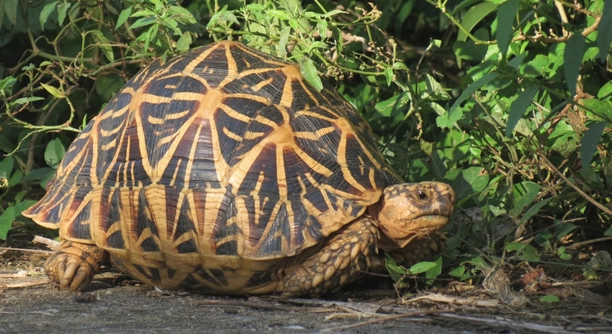
Indian Star Tortoises are unique and fascinating pets, but providing the right food is essential for their health. Choosing the right foods can be tricky, as some foods can cause harm to their digestive systems.
Certain foods can be dangerous for your Indian Star Tortoise, leading to health issues like obesity, kidney problems, and digestive distress. Foods high in oxalates, phosphorus, or those too rich in protein should be avoided to maintain their overall well-being.
By understanding the types of food to avoid, you can ensure your tortoise stays healthy and thrives in its environment.
High-Protein Foods
Feeding your Indian Star Tortoise too much protein can lead to kidney problems and other long-term health issues. In the wild, these tortoises typically consume plant-based foods like grasses and leaves, which are low in protein. Too much protein from foods like meat, eggs, or high-protein pellets can stress their system, causing them to develop metabolic bone disease or kidney failure. Tortoises are herbivores, and their bodies aren’t equipped to handle excessive protein. It’s important to focus on a balanced diet, with the majority of their food coming from safe, fibrous plants.
High-protein foods should be limited or eliminated from your tortoise’s diet.
Choosing the right vegetables and grasses instead of high-protein foods will help ensure they get the nutrients they need without the risk of overloading their system. Be sure to check the protein content in any food you plan to offer them, ensuring it fits within their dietary needs. Keep in mind that most protein-rich foods should only be given occasionally, if at all, depending on your tortoise’s health needs.
Foods High in Oxalates
Oxalates are naturally occurring substances found in some plants and vegetables. When consumed in large amounts, they can interfere with calcium absorption, leading to kidney stones and other health complications. Some common foods that are high in oxalates include spinach, beet greens, and certain berries. While these foods can provide some nutritional value, they should be avoided or only given in small amounts to your Indian Star Tortoise.
Oxalates prevent calcium absorption.
A diet that is high in oxalates can create long-term problems for your tortoise’s skeletal health. Without sufficient calcium, your tortoise may suffer from metabolic bone disease, a condition where the bones become brittle and prone to fractures. It’s important to ensure your tortoise’s diet consists of foods low in oxalates and rich in calcium, such as dandelion greens and other leafy vegetables. Even if these high-oxalate foods seem appealing, they can cause more harm than good when given too often.
High-Phosphorus Foods
Phosphorus is an essential mineral for many animals, but too much can cause an imbalance in your tortoise’s calcium-to-phosphorus ratio. This imbalance can affect bone health, causing soft shells and bones. Foods such as beans, peas, and certain seeds are high in phosphorus and should be avoided in large quantities.
A balanced ratio between calcium and phosphorus is crucial for proper bone development and overall health. Too much phosphorus can prevent calcium from being absorbed, leading to weakened bones and other serious health concerns. To avoid these issues, offer your tortoise foods that are low in phosphorus, such as leafy greens like collard greens and mustard greens. A proper balance between calcium and phosphorus helps your tortoise maintain a strong and healthy shell.
Make sure to avoid feeding your tortoise high-phosphorus foods that can cause long-term damage. It is better to focus on plants that naturally contain the right balance of nutrients for your tortoise’s well-being.
Fruits High in Sugar
While fruits can provide some essential vitamins, they are often high in sugar, which can lead to obesity in tortoises if consumed too frequently. Fruit should be considered an occasional treat rather than a regular part of their diet. Some common fruits like apples, bananas, and grapes are high in sugar, and feeding them in excess can cause weight gain and potential metabolic problems.
Excess sugar leads to weight gain.
Sugar overload can also lead to other complications, including the development of metabolic disorders like fatty liver disease. These conditions can shorten the life expectancy of your tortoise. Stick to feeding low-sugar fruits, like melon or berries, sparingly, and avoid offering fruits that are sugary on a regular basis. Moderation is key to preventing unnecessary health problems while still providing occasional variety in your tortoise’s diet. Keep your tortoise’s meals focused on leafy greens and safe vegetables that promote overall health.
Dairy Products
Dairy products, like cheese and milk, are not suitable for Indian Star Tortoises. They are lactose intolerant, and consuming dairy can lead to digestive upset. It can also cause bloating and diarrhea, leading to further complications with their health. Always stick to a plant-based diet for them.
Lactose intolerance can cause severe discomfort.
Since tortoises lack the enzymes needed to break down lactose, feeding them dairy can cause gastrointestinal problems. This can lead to dehydration and other issues, making it essential to avoid offering any dairy products. Instead, focus on leafy greens, grasses, and other tortoise-safe foods to meet their nutritional needs.
Leafy Greens with Pesticides
Leafy greens are essential for your tortoise’s diet, but you must be cautious of those sprayed with pesticides. These chemicals can harm their digestive system and overall health. Always wash greens thoroughly or opt for organic vegetables to ensure their safety.
Pesticides can lead to poisoning.
The presence of pesticides can lead to toxicity in your tortoise. Consuming these chemicals can affect their liver and kidneys, causing long-term damage. Purchasing organic greens or growing your own can help protect your tortoise from potential exposure to harmful substances. It’s important to ensure that any greens fed are clean and free from toxic chemicals.
FAQ
What are the best vegetables to feed an Indian Star Tortoise?
The best vegetables for an Indian Star Tortoise are high-fiber, low-oxalate options. These include dandelion greens, kale, collard greens, mustard greens, and hibiscus flowers. Offer a variety to ensure they receive the proper nutrients. Avoid iceberg lettuce, as it has little nutritional value. It’s also best to feed them leafy greens that are free from pesticides and chemicals, so always wash the vegetables thoroughly or choose organic options. Properly balanced meals will help your tortoise maintain a healthy weight and support its digestive system.
Can I feed my Indian Star Tortoise fruits?
Yes, fruits can be fed occasionally, but they should not be a regular part of their diet. Offer fruits that are low in sugar, like strawberries, raspberries, or melons. Avoid sugary fruits like bananas, apples, or grapes, as they can contribute to obesity and metabolic issues if given in excess. Remember that tortoises thrive on a diet of primarily grasses and leafy vegetables, so fruits should only be given as treats. Moderation is key when it comes to feeding them fruit.
Is it safe to feed my tortoise flowers?
Yes, certain flowers are safe for Indian Star Tortoises, and they can enjoy a variety of edible blooms. Flowers like hibiscus, dandelions, clover, and pansies are good options. However, avoid flowers that have been sprayed with pesticides or chemicals. Also, be cautious about flowers from your garden, as some may be toxic to tortoises. Always research the flowers you’re considering before offering them to your tortoise.
Can Indian Star Tortoises eat grass?
Grass is a staple food for Indian Star Tortoises in the wild and is an excellent addition to their diet. Safe grasses include timothy hay, rye grass, and Bermuda grass. Grass provides the necessary fiber that helps with digestion and ensures the proper wear on their beaks. However, ensure the grass is free from pesticides or herbicides before feeding it to your tortoise. If you can’t find safe grass, providing hay can also be an excellent substitute.
What should I avoid feeding my Indian Star Tortoise?
Avoid feeding your tortoise high-protein foods, dairy products, fruits high in sugar, and vegetables high in oxalates or phosphorus. Proteins like meat, eggs, and high-protein pellets should be avoided, as they can cause kidney damage and other health problems. Dairy products should never be offered, as tortoises are lactose intolerant. Additionally, foods like spinach and beet greens, which are high in oxalates, should be fed sparingly. Foods with high phosphorus content, like beans or peas, should also be avoided to maintain a healthy calcium-phosphorus balance.
How often should I feed my Indian Star Tortoise?
Indian Star Tortoises should be fed every other day, with a variety of vegetables and occasional fruits. You can adjust the feeding frequency based on their age, activity level, and overall health. Baby and juvenile tortoises typically need to eat daily, while adults can be fed every other day or 3-4 times a week. Keep the portions appropriate to prevent overfeeding. Always monitor their weight and adjust their diet if necessary to avoid obesity.
Should I provide calcium supplements to my tortoise?
Yes, calcium supplements are essential for your tortoise, especially if they are not getting enough calcium from their diet. Calcium helps maintain strong bones and a healthy shell. You can dust their food with calcium powder once or twice a week, depending on their diet and needs. Make sure to choose a calcium supplement without phosphorus to prevent imbalance. It’s also important to provide UVB lighting to help your tortoise absorb calcium properly.
Can I feed my tortoise pellets?
While pellets designed for tortoises are convenient, they should not be the primary food source. Pellets often contain added nutrients, but they are not as nutritionally complete as fresh vegetables and grasses. If you choose to feed pellets, ensure they are made specifically for herbivorous tortoises and do not contain harmful additives or too much protein. Pellets can be offered occasionally but should be considered a supplement, not a replacement, for their fresh food.
How do I know if my tortoise is overweight?
You can assess your tortoise’s weight by observing its shell. If the shell is rounded and lacks the distinct shape of a healthy, well-maintained shell, it may be a sign of obesity. An overweight tortoise may also have difficulty moving around or show signs of lethargy. Regularly monitor its weight and adjust its diet accordingly. Offering a balanced diet of high-fiber foods and limiting high-calorie treats will help maintain a healthy weight.
What is the best way to hydrate my tortoise?
Indian Star Tortoises do not drink water in the traditional sense; they hydrate by soaking in it. Provide a shallow dish of water large enough for your tortoise to soak in comfortably. They may drink from it, but it’s essential to encourage them to soak regularly to maintain hydration. Offer water daily and ensure it’s clean. Keep their environment humid enough to support their natural moisture needs, particularly in dry indoor setups.
Final Thoughts
Caring for an Indian Star Tortoise requires a bit of attention and effort, but with the right knowledge, you can ensure your tortoise thrives. Their diet plays a crucial role in their overall health, so it’s important to provide them with a variety of safe, nutritious foods. Focus on leafy greens, grasses, and occasional fruits or flowers as treats. This diet will keep them active, healthy, and help avoid common health problems like obesity or digestive issues. Avoid high-protein foods, dairy, and sugary fruits, as these can cause harm to your tortoise’s health in the long run.
In addition to their diet, it’s essential to pay attention to their habitat. Provide a clean, spacious enclosure with proper UVB lighting and a temperature gradient to mimic their natural environment. This helps regulate their metabolism and allows them to absorb the necessary nutrients. Be sure to offer a shallow dish of water for soaking, as this helps with hydration and skin health. Regular monitoring of their weight and behavior will help you spot any health issues early, allowing for prompt care.
By following these guidelines, your Indian Star Tortoise will have the opportunity to live a long, healthy life. Offering a balanced diet, providing a proper living environment, and keeping a close eye on their health will ensure that they remain happy and active. Always research any new foods or changes to their habitat to keep them in top condition. Taking these steps will help create the best possible life for your tortoise, allowing them to grow strong and live a fulfilling life.

Hello,
If you enjoy the content that we create, please consider saying a "Thank You!" by leaving a tip.
Every little bit helps us continue crafting quality advice that supports the health, happiness, and well-being of pets around the world, for pets of all shapes, sizes, and species.
We really appreciate the kindness and support that you show us!