
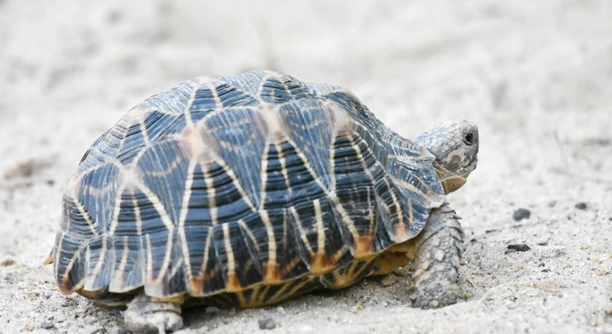
Indian star tortoises are popular pets, known for their unique markings and calm demeanor. As a responsible pet owner, it’s important to know what foods are safe for your tortoise to enjoy.
Indian star tortoises can eat watermelon in moderation. The fruit is hydrating and provides essential vitamins, but due to its high sugar content, it should be offered sparingly to prevent digestive issues and ensure balanced nutrition.
Understanding the right way to feed your tortoise watermelon and other fruits is essential for its health. Let’s explore the best practices for tortoise feeding.
Can Watermelon Be Part of an Indian Star Tortoise’s Diet?
Watermelon is a refreshing fruit, and many tortoises enjoy the taste. It contains water, making it an excellent source of hydration, especially during warmer months. However, it’s important to remember that watermelon should only be an occasional treat. The high sugar content in watermelon could disrupt the balance of your tortoise’s diet. A diet rich in fruits like watermelon may cause digestive problems or contribute to obesity if fed too frequently. It’s best to provide watermelon in small portions, ensuring it doesn’t overpower other essential foods. Feeding your tortoise a variety of vegetables and high-fiber foods should remain the focus.
Offering watermelon in small amounts ensures your tortoise gets the benefits without the risks. The fruit can be a healthy treat if it doesn’t replace key dietary components. Avoid feeding your tortoise watermelon every day.
To prepare the watermelon, remove the seeds before offering it to your tortoise. Even though watermelon seeds are not harmful in small quantities, it’s always better to prevent potential choking hazards. Make sure to cut the watermelon into small, manageable pieces that your tortoise can easily eat. When feeding, monitor the tortoise’s reaction to ensure it doesn’t experience any digestive discomfort.
How Often Should You Feed Watermelon to Your Tortoise?
Watermelon should be given to Indian star tortoises no more than once or twice a week. Regular fruits, especially sugary ones, can lead to an unbalanced diet.
Incorporating watermelon into your tortoise’s diet requires moderation and timing. You can offer it after your tortoise has had its regular leafy greens or vegetables. This ensures that the fruit isn’t replacing essential nutrients. Additionally, feeding watermelon as a special treat can make it a more enjoyable experience for your pet. Always monitor the tortoise’s overall health, and if you notice any changes, reconsider the frequency of treats like watermelon.
Risks of Overfeeding Watermelon
Overfeeding watermelon can lead to health issues such as obesity and gastrointestinal problems. The sugar content, though natural, is still quite high. If given too often, it can upset the delicate balance of your tortoise’s digestive system.
Excessive watermelon intake can also affect calcium absorption, which is crucial for a tortoise’s shell and bone health. Calcium imbalance can lead to metabolic bone disease, which is a serious condition that affects your tortoise’s ability to move and grow properly. Since watermelon is not a rich source of essential nutrients, its role in the diet should remain minimal to avoid these risks.
Another potential issue is diarrhea, which can occur if the fruit is overfed. While watermelon has a high water content that helps with hydration, consuming too much can cause loose stools. This can further lead to dehydration and nutrient loss, weakening your tortoise’s health over time.
Alternatives to Watermelon for Hydration
There are other ways to keep your tortoise hydrated without overloading it with watermelon. Dark leafy greens like kale, dandelion greens, and collard greens provide hydration while also offering more nutrients.
Cucumbers and zucchinis also work well to hydrate your tortoise without the sugar content of fruits. These vegetables are low in calories and contain plenty of water, making them a healthy and safe alternative. In addition to offering variety in hydration, these options also provide the necessary vitamins and minerals, ensuring your tortoise stays healthy. Providing a wide range of fruits and vegetables will help prevent your tortoise from becoming too dependent on one food source, such as watermelon.
How to Feed Watermelon to Your Tortoise
Cut the watermelon into small, manageable pieces for your tortoise. This makes it easier for them to eat and reduces any risk of choking.
Make sure to remove the seeds before offering the fruit. While watermelon seeds aren’t harmful in small quantities, it’s better to prevent any potential choking hazards.
Hydration and Feeding Schedule
Always ensure your tortoise has access to fresh water, in addition to the occasional fruit treat. Watermelon can help hydrate them, but regular water intake is essential for proper digestion and overall health.
Create a feeding schedule that includes both fruits and vegetables. This helps provide a balanced diet, preventing over-reliance on any single food item.
Can Indian Star Tortoises Eat Watermelon Every Day?
No, Indian Star Tortoises should not eat watermelon every day. While watermelon can be a hydrating and tasty treat, it’s high in sugar. Overfeeding it regularly can lead to obesity and digestive issues. A varied diet is key, and fruits like watermelon should be offered only in moderation.
Fruits should only make up a small portion of a tortoise’s diet. The focus should be on leafy greens, vegetables, and other fiber-rich foods that provide essential nutrients. These foods promote healthy digestion and prevent common health issues. Keeping treats like watermelon occasional helps maintain this balance.
Overconsumption of sugary fruits can also lead to diarrhea, which disrupts the tortoise’s overall well-being. If you notice that your tortoise isn’t handling watermelon well, it’s a sign to limit or eliminate it from their diet. For proper health, avoid giving watermelon every day and aim for a healthier variety of foods.
Is Watermelon Safe for Baby Indian Star Tortoises?
Watermelon is generally safe for baby Indian Star Tortoises, but it should still be offered cautiously. Baby tortoises are more sensitive to changes in their diet and digestive system. Offering watermelon too frequently can lead to digestive issues.
Young tortoises require a diet that focuses on calcium-rich foods for proper growth and shell development. While watermelon is a good source of hydration, it does not provide significant nutritional value. Offering it sparingly will ensure your baby tortoise receives a more balanced diet that supports healthy development.
Too much watermelon can cause diarrhea in baby tortoises, potentially leading to dehydration. Always observe your baby tortoise’s reaction when offering new foods. If any signs of distress occur, reduce or eliminate watermelon from their diet.
How Much Watermelon Should You Feed Your Tortoise?
The ideal amount of watermelon to feed an Indian Star Tortoise is about 1-2 tablespoons once a week. This is enough for hydration without overloading them with sugar. This small amount provides some variety while not replacing other essential foods in their diet.
Keep in mind that watermelon should never be the main component of their diet. Instead, focus on providing dark leafy greens, dandelions, and other vegetables that offer essential vitamins and minerals. If you decide to offer watermelon, make sure it’s only a small part of a larger, balanced meal.
It’s important to monitor your tortoise’s health after offering watermelon. If they experience digestive upset, reduce the portion size or remove it from their diet. Keeping treats small and infrequent ensures that your tortoise stays healthy and happy.
What Are the Benefits of Watermelon for Tortoises?
Watermelon offers a few health benefits to Indian Star Tortoises when fed in moderation. One of the primary benefits is hydration. The high water content helps to keep your tortoise hydrated, especially in warmer months when dehydration can become a concern.
Watermelon also provides some vitamins, such as Vitamin C, which helps boost the immune system. However, it should not be relied on as the main source of nutrition. Watermelon can also serve as an occasional treat that helps vary their diet.
While watermelon can provide hydration and a small nutrient boost, it should never replace more nutritious foods like leafy greens. Offer watermelon sparingly, ensuring your tortoise’s primary diet is rich in fiber and essential vitamins.
Are There Any Risks in Feeding Watermelon to Indian Star Tortoises?
Yes, there are a few risks associated with feeding watermelon to Indian Star Tortoises. The high sugar content in watermelon can lead to obesity and digestive problems if fed too frequently. Excess sugar can upset their digestive system, causing diarrhea and dehydration.
Watermelon should also be fed in small portions because it lacks the nutrients tortoises need to thrive. If given too much, it could cause an imbalance in their diet, which can affect overall health. The fruit’s high water content is good for hydration but not a substitute for a balanced, fiber-rich diet.
Watermelon can also be a choking hazard if not properly prepared. Always remove the seeds and cut the fruit into small, manageable pieces. Avoid giving large chunks of watermelon, which can be difficult for tortoises to eat safely. Keeping treats small and infrequent ensures your tortoise enjoys watermelon without harm.
Can Indian Star Tortoises Eat Other Fruits Besides Watermelon?
Yes, Indian Star Tortoises can eat a variety of fruits besides watermelon. However, fruits should be offered as occasional treats, not as a regular part of their diet. Safe fruits include strawberries, blueberries, apples, and pears. These can provide some variation and are rich in vitamins.
When feeding fruits, remove any seeds or pits that could pose a choking hazard. Also, ensure the fruit is cut into small pieces that are easy for the tortoise to eat. Offering fruits too frequently can cause digestive issues due to their high sugar content.
Fruits should always be balanced with vegetables and greens in the tortoise’s diet. Avoid sugary fruits that can lead to imbalanced nutrition. The key is moderation—fruit should only make up about 10% of the tortoise’s diet to avoid health issues.
Can Watermelon Help with Hydration for Tortoises?
Watermelon is an excellent source of hydration for tortoises, especially during warmer months. The fruit contains around 90% water, making it a great way to help keep your tortoise hydrated. Dehydration can lead to serious health issues in tortoises, including kidney problems.
However, while watermelon can aid hydration, it should not be relied upon as the sole source of water. Always provide fresh, clean water for your tortoise at all times. Offer watermelon occasionally to supplement hydration, but make sure they have access to their regular water supply as well.
Hydration is important for digestion and overall health. Don’t overfeed watermelon, as the high sugar content may cause digestive upset. Instead, keep it as a treat that complements a well-balanced diet, ensuring your tortoise stays hydrated and healthy.
Final Thoughts
In conclusion, Indian Star Tortoises can safely eat watermelon, but it should be offered in moderation. While the fruit provides hydration and some vitamins, it lacks the essential nutrients tortoises need for optimal health. Watermelon is best used as an occasional treat rather than a staple food in their diet. This ensures that your tortoise’s meals remain balanced and nutritious, with a focus on fiber-rich greens, vegetables, and calcium-rich foods. Overfeeding watermelon can lead to obesity and digestive problems, so keeping it small and infrequent is crucial.
It’s also important to remember that baby tortoises have more sensitive digestive systems, and they may not tolerate watermelon as well as adults. Always monitor how your tortoise reacts to new foods and make adjustments as needed. For both young and adult tortoises, the key is a varied diet that includes a range of vegetables, greens, and occasional fruits. This variety helps meet all their nutritional needs, promoting healthy growth and long-term well-being.
Finally, always take care when preparing watermelon for your tortoise. Remove the seeds and cut the fruit into small, manageable pieces. This reduces any choking hazards and makes it easier for your tortoise to enjoy. If you ever notice signs of digestive upset, like diarrhea or discomfort, reduce the amount of watermelon in their diet or stop feeding it altogether. Providing a balanced diet, proper hydration, and occasional treats like watermelon will help keep your Indian Star Tortoise healthy and happy.

Hello,
If you enjoy the content that we create, please consider saying a "Thank You!" by leaving a tip.
Every little bit helps us continue crafting quality advice that supports the health, happiness, and well-being of pets around the world, for pets of all shapes, sizes, and species.
We really appreciate the kindness and support that you show us!