
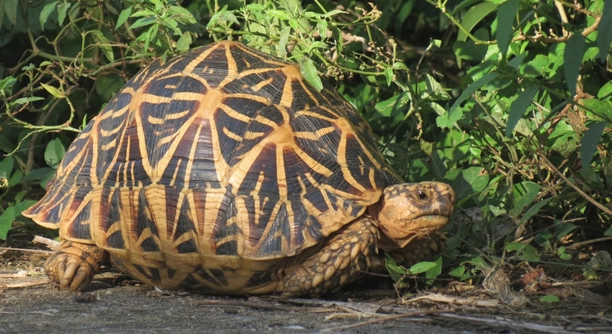
Introducing Indian Star Tortoises to a new environment can be a delicate process. Proper handling is essential to ensure their comfort and safety. Knowing how to manage their transition can make all the difference in their well-being.
To safely introduce Indian Star Tortoises to a new environment, it is crucial to first prepare the new habitat. Ensure proper temperature, humidity, and secure spaces for them to hide. Gradually acclimate them by minimizing stress during the transition.
Taking the time to understand their needs is key to keeping them healthy. This process is simple but requires careful attention to detail. Learn the right steps to make the change seamless for your tortoises.
Preparing the New Habitat
Before bringing your Indian Star Tortoises into their new home, make sure it’s ready. Set up a spacious enclosure with areas for them to hide and bask. The substrate should be dry, allowing for easy cleaning, and large enough for them to move around comfortably.
Temperature control is essential for their comfort and health. Create a warm area with a heat source like a basking light and a cooler section for them to retreat to. The ideal temperature range is 75-85°F (24-29°C), with a basking spot reaching up to 95°F (35°C). Humidity is also important, so aim for 50-70%, which can be maintained with regular misting or a humidity-controlled enclosure.
Lastly, keep the space free from sharp objects that could harm their soft underbelly. A secure lid will prevent escape and keep predators away. Giving them a stable and secure environment is essential for a smooth transition.
Gradual Introduction Process
When introducing your tortoises to their new space, avoid overwhelming them. Start by gently placing them inside, then leave them alone to explore at their own pace.
Indian Star Tortoises can get stressed easily, so it’s important to let them adjust slowly. They need time to settle into their new environment. Don’t force them to interact or explore right away. This calm introduction reduces the chances of unnecessary stress and anxiety.
Creating a Stress-Free Environment
To reduce stress during the transition, avoid loud noises or sudden movements around the enclosure. They are more sensitive to their surroundings than we might think. Keep their habitat away from high-traffic areas to offer them peace.
Consistency in the setup also helps in making them feel secure. Tortoises like routine, so feeding them at the same time daily will help them adapt. You can also provide hiding spots or shelters within the enclosure. These safe spaces give them a retreat where they can feel protected and secure.
This slow, gradual process ensures that your tortoises have the best chance to thrive in their new environment. A little patience goes a long way.
Monitoring Behavior During the Transition
It’s important to keep a close eye on your tortoises during their first few days in the new habitat. Watch for signs of stress such as excessive hiding or lack of movement. These behaviors may indicate that the environment is not ideal yet.
Keep track of how often they eat and drink. A loss of appetite or dehydration can be signs that something is wrong. If your tortoises are not adjusting well, check the temperature, humidity, and lighting again. Make sure everything is within the proper range to support their well-being. If the stress continues, consider offering a darker or quieter space to reduce any anxiety.
Monitor their movements closely. If they seem sluggish or lethargic, it might be due to temperature imbalances. Ensuring they’re active and alert will show that they’re comfortable in their new home.
Providing Proper Nutrition During Transition
Maintaining their usual diet during the transition is key to ensuring they stay healthy. Stick to the same food they were accustomed to before moving. This reduces any additional stress as they adjust to their environment.
You can offer a variety of fresh greens like dandelion leaves, hibiscus flowers, and cactus pads. Always ensure that the food is clean and free from pesticides. Your tortoises may take a little time to get comfortable with their new surroundings, but consistent feeding times will help them settle in. They may also require a calcium supplement to support their shell health.
Be patient, as it may take a few days for them to start eating regularly. If they don’t eat, check the temperature and humidity in the enclosure, as these can affect their appetite.
Avoiding Overcrowding in the Habitat
Keep the habitat spacious enough to avoid overcrowding. Indian Star Tortoises need room to roam, hide, and bask. If they’re in a cramped space, they might feel stressed, which could affect their health.
A larger enclosure also helps in creating separate areas for basking and cooling off. This makes it easier for them to regulate their body temperature. If you’re introducing multiple tortoises, make sure there’s enough room for each one to have its own space.
This will create a more comfortable and less stressful environment for them.
Checking for Health Issues
After introducing your tortoises to their new home, look for any signs of health issues. Any visible changes, like changes in their shell or skin, should be addressed immediately.
Ensure that they are eating and drinking well. If they show signs of lethargy or unusual behavior, it’s important to investigate. Look for potential causes like improper temperatures, too much stress, or injury. Promptly addressing health concerns is vital to ensure your tortoises thrive in their new environment.
Giving Them Time to Settle
Patience is essential during the transition period. Don’t expect immediate results. It may take time for your tortoises to fully adjust to their new surroundings.
Let them explore at their own pace and keep disturbances to a minimum. This will help them feel safe and secure in their new environment.
FAQ
How long does it take for Indian Star Tortoises to adjust to a new environment?
The time it takes for Indian Star Tortoises to adjust can vary. Typically, they may take anywhere from a few days to a couple of weeks to fully settle into their new habitat. During this period, it’s crucial to monitor their behavior closely. If they’re not eating or showing signs of distress, it might be an indication that they’re still getting used to their surroundings. Patience is key, as they may need more time depending on their individual temperament and the setup of the new environment.
What should I do if my tortoise is not eating in the new habitat?
If your tortoise isn’t eating, check the temperature and humidity levels first. These factors play a big role in their appetite. If either of these is off, your tortoise may not feel comfortable enough to eat. Also, ensure that the food you’re offering is fresh and familiar. If they continue to refuse food, consider reducing disturbances in the environment and giving them more time. Stress from the transition or environmental changes can lead to a temporary loss of appetite, but with the right conditions, your tortoise will likely resume eating in time.
Can I introduce multiple Indian Star Tortoises at once?
Introducing multiple Indian Star Tortoises can be done, but you need to make sure the habitat is large enough to accommodate them comfortably. Overcrowding can lead to stress, territorial behavior, and even fighting. It’s important to provide enough space for each tortoise to have its own basking area, hiding spots, and room to roam. If you are introducing them for the first time, monitor their behavior closely. If one tortoise seems overly aggressive or stressed, it might be better to separate them temporarily until they adjust.
How can I keep the new habitat clean?
To keep your tortoises’ habitat clean, perform regular spot cleaning to remove feces and uneaten food. It’s essential to remove waste daily to prevent bacteria buildup. Once a week, change out a portion of the substrate and sanitize any surfaces your tortoises may contact. You can use reptile-safe disinfectants for this process. Be sure to also clean the water dish daily, as stagnant water can harbor harmful bacteria. Keeping the habitat clean will not only ensure a healthy environment but also make your tortoises more comfortable as they adjust.
What if my tortoise is showing signs of stress after the move?
If your tortoise is stressed, look for signs like excessive hiding, lack of movement, or even excessive scratching at the sides of the enclosure. The first thing to check is the temperature and humidity. Make sure they’re within the appropriate range, as incorrect levels can cause stress. Also, make sure the habitat is not in a noisy or high-traffic area. Too much disturbance can make your tortoise feel unsafe. You can also try reducing handling during the initial period to give them space to adjust.
Should I change my tortoise’s diet after moving to a new habitat?
It’s best to stick to the same diet your tortoise was eating before the move, at least initially. Changing their diet too suddenly can cause digestive upset and additional stress. Offer fresh greens, fruits, and a calcium supplement as needed. Once your tortoise has fully settled into their new habitat and is eating regularly, you can slowly introduce variety into their diet. Always ensure that any new food items are safe for Indian Star Tortoises before offering them.
Is it okay to handle my tortoise during the adjustment period?
During the adjustment period, it’s better to minimize handling. Your tortoise may feel disoriented or stressed, and frequent handling can make the situation worse. Allow them time to acclimate and explore their new surroundings on their own terms. Once they’ve settled in and are eating regularly, you can slowly begin to handle them in a calm and gentle manner. Remember, tortoises don’t need frequent interaction, and it’s essential to respect their need for space.
How often should I check the temperature and humidity in the enclosure?
It’s important to check the temperature and humidity levels daily, especially during the first few days of your tortoise’s transition. Use reliable thermometers and hygrometers to monitor these levels. Once your tortoise has settled in, you can check the environment every few days to ensure it’s still within the proper range. Temperature and humidity are vital for your tortoise’s health, so don’t overlook them, even after the adjustment period. Keeping these levels consistent will make your tortoise feel safe and comfortable.
Can I put plants in the tortoise’s enclosure?
Yes, you can add plants to the enclosure, but make sure they are non-toxic and safe for tortoises. Some plants, like dandelions, hibiscus, and clover, can even provide additional food sources. Avoid using any plants that are harmful to tortoises, as some can cause digestive problems or toxicity. If you’re unsure about a particular plant, it’s always safer to avoid it. Live plants can also help improve the humidity levels in the enclosure, but make sure they’re sturdy enough to withstand any grazing.
When should I consider seeking veterinary help for my tortoise?
If your tortoise is showing signs of illness, like lack of appetite, lethargy, abnormal behavior, or visible shell damage, it’s important to seek veterinary help. These symptoms may indicate an underlying health issue that needs attention. A reptile vet will be able to diagnose and treat any problems to ensure your tortoise’s health and well-being. It’s also a good idea to have a check-up shortly after moving to ensure that the transition hasn’t caused any health issues. Regular check-ups can help prevent long-term problems.
Final Thoughts
Introducing Indian Star Tortoises to a new environment can be a smooth process if you take the time to prepare their habitat properly. It’s important to ensure that the space is large enough, with the right temperature, humidity, and hiding spots. Keeping the environment clean and secure will help your tortoises feel safe and comfortable. By creating a welcoming space, you provide them with the best chance to thrive in their new home. It’s also important to be patient as they adjust, and not rush the process. They need time to explore and get used to their surroundings.
Monitoring their behavior closely during the first few days is essential. If they’re not eating or seem stressed, it may be a sign that something needs adjusting in their environment. Stress can come from various factors such as temperature, humidity, or even too much activity around the enclosure. By paying attention to these small details, you’ll be able to address any issues before they become larger problems. Don’t forget to give them space, especially during the initial period. Tortoises are creatures of habit and can take time to settle in. Minimizing disturbances will help them adjust more easily.
Over time, with the right care and patience, your Indian Star Tortoises will become comfortable in their new environment. Regularly check the conditions of their habitat to make sure they stay healthy, and maintain a consistent feeding routine. If you follow the right steps and keep a watchful eye, your tortoises will adapt and grow in a safe, supportive space. Remember, creating a good environment for them is not just about physical space, but also about minimizing stress and ensuring their overall well-being. By focusing on these elements, your tortoises will be set up for a happy and healthy life.

Hello,
If you enjoy the content that we create, please consider saying a "Thank You!" by leaving a tip.
Every little bit helps us continue crafting quality advice that supports the health, happiness, and well-being of pets around the world, for pets of all shapes, sizes, and species.
We really appreciate the kindness and support that you show us!