
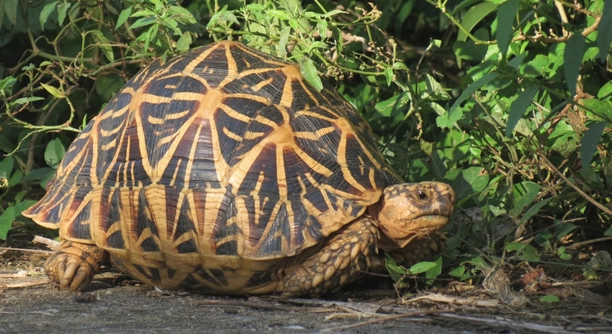
Indian Star Tortoises, known for their unique beauty, need careful attention to stay healthy. One of the most important aspects of their care is ensuring they stay properly hydrated. This is crucial for their overall well-being.
Hydration is vital for the health of Indian Star Tortoises. Signs of proper hydration include active behavior, healthy skin, and regular urination. These factors can indicate that your tortoise is getting the right amount of water for its needs.
Proper hydration is key to their longevity and health. Recognizing the signs early can make a big difference in maintaining their well-being. Understanding hydration in tortoises goes beyond just providing water, so it’s important to learn the indicators.
1. Why Hydration is Essential for Indian Star Tortoises
Proper hydration helps keep an Indian Star Tortoise healthy by supporting their digestion, regulating body temperature, and preventing dehydration-related health issues. These tortoises require water to maintain their vital functions. Without adequate hydration, they may experience sluggishness, skin shedding issues, or even organ failure. A hydrated tortoise will also be more active, and its skin will be smooth and vibrant.
Dehydration can be a common concern, especially if they are kept in dry environments or not offered enough water. Tortoises in the wild get moisture from the food they consume, like leaves or fruits with high water content. In captivity, however, it’s up to us to ensure they receive sufficient water to stay hydrated and healthy.
While they don’t require constant access to water, a consistent routine of providing fresh water is essential. Alongside this, it’s also crucial to create a proper humid environment and offer hydrating foods such as moist greens to help maintain hydration levels.
2. Observing the Signs of Hydration
Signs like active behavior and clear eyes indicate hydration levels.
A hydrated Indian Star Tortoise shows several noticeable signs. For example, their behavior should be lively, not lethargic. Their eyes should be bright, and they may even engage more with their surroundings. When hydrated properly, their skin will be smooth, without any noticeable dryness or wrinkles. Another important sign is their regular urination. Dehydrated tortoises may pass small, concentrated urine, while a hydrated tortoise’s urine is usually lighter and more frequent.
By observing these signs, it becomes easier to determine whether your tortoise needs more water or if they are properly hydrated. Regular monitoring is key in preventing dehydration, which can lead to serious health problems over time.
3. Hydrating Your Tortoise Through Food
Hydrating foods like leafy greens and fruits are key for your tortoise’s water intake. Offer them foods like cucumber, watermelon, or lettuce. These have high water content, which can keep your tortoise hydrated and support its overall health. Always remove uneaten portions to prevent spoilage.
Besides water, tortoises can get moisture from the food they eat. Adding foods such as leafy greens, squash, and fruits with high water content ensures they get the hydration they need while also enjoying variety. Avoid foods like spinach, which might cause issues in excess.
Make sure the food is fresh and clean. You can even mist some vegetables or fruits lightly to enhance their moisture content. Offering a mix of dry and wet food, especially during hot seasons, can help ensure they stay hydrated without relying solely on water dishes. This variety of hydration sources promotes a healthy balance for your tortoise.
4. Providing a Hydration Station
A shallow water dish is essential for hydration, but it’s important to make sure it’s the right size.
Choose a water dish that is large enough for your tortoise to access easily. It shouldn’t be too deep to avoid the risk of drowning. The dish should be cleaned regularly to prevent bacteria buildup. Change the water every day to ensure freshness and prevent contamination.
Make sure the dish is placed in an area where your tortoise feels safe to drink from. If your tortoise seems hesitant, try moving the dish to a new spot or adding a few hydrating foods around it. Providing a shallow water dish encourages your tortoise to drink frequently, ensuring they stay hydrated.
5. Environmental Factors Affecting Hydration
Temperature and humidity play a big role in keeping your tortoise hydrated. The right conditions help prevent dehydration.
Indian Star Tortoises come from regions with hot climates, so their environment needs to be warm and slightly humid. If the enclosure is too dry, they may struggle to stay hydrated. Use a humidifier or a misting system to maintain the proper moisture level.
If the humidity is too low, tortoises will lose moisture from their skin. This can lead to dehydration, shedding problems, and even respiratory issues. Regularly monitor humidity and adjust as needed. Consider using a hygrometer to ensure the environment stays in the proper range.
6. Importance of Regular Observation
Watching your tortoise’s behavior is important to notice hydration issues.
Always observe your tortoise for signs of dehydration. Watch for slow movement, sunken eyes, or dry, flaky skin. If these signs appear, adjust their hydration methods, whether through more water access or humidifying their habitat. Regular checks help prevent problems from worsening.
FAQ
1. How often should I water my Indian Star Tortoise?
Providing water daily is essential. While your tortoise can survive without drinking water constantly, access to fresh water every day ensures they stay hydrated. Be sure to change the water regularly to keep it clean. On top of that, you can add water-rich foods to their diet to supplement their hydration.
2. Can Indian Star Tortoises drink from a shallow pool or a dish?
Yes, they can. A shallow pool or dish is ideal for hydration. It should be low enough for your tortoise to easily access without the risk of drowning. Make sure the water is fresh and clean, and keep the dish in an easily reachable spot. Changing the water frequently is important to avoid contamination.
3. How can I tell if my tortoise is dehydrated?
Signs of dehydration include lethargy, dry skin, sunken eyes, and a lack of interest in food. If you notice any of these symptoms, you should take immediate action to rehydrate your tortoise. Start by offering more water, moist foods, and possibly adjusting the humidity levels in the enclosure.
4. Can I use a water bowl for hydration in all seasons?
Yes, but the frequency of water changes should increase during warmer months, as the water can quickly get dirty. In cooler seasons, check that the water remains clean and fresh. You might also consider offering more hydration through foods in colder months when your tortoise is less likely to drink as often.
5. Should I soak my Indian Star Tortoise to ensure proper hydration?
Soaking can help increase hydration, especially if you notice signs of dehydration. Soak your tortoise in lukewarm water for about 15 to 20 minutes. This will allow them to absorb moisture through their skin. Be careful not to overdo it, as soaking too frequently may cause stress or other health issues.
6. Is it necessary to mist my tortoise’s enclosure?
Yes, misting the enclosure can help maintain a proper humidity level, which supports hydration. The humidity should ideally be around 50-70%. Misting also helps your tortoise stay comfortable, as it mimics the moisture levels they would experience in the wild. Ensure the humidity is not too high, which can lead to other health problems.
7. How do I maintain the proper humidity in the enclosure?
Maintaining humidity can be done through regular misting, using a humidifier, or placing a damp substrate in certain areas of the enclosure. Ensure the substrate does not stay overly wet, which can lead to mold or bacterial growth. Check the humidity levels regularly with a hygrometer to ensure it stays within the proper range.
8. Can my tortoise survive without constant access to water?
While tortoises are more resilient than we often realize, they still need regular access to water. They are used to a diet that includes moisture-rich foods, but fresh water is necessary for proper hydration. Depriving them of water can lead to severe health issues, including kidney failure or even death over time.
9. What kind of water should I offer my tortoise?
You should offer fresh, clean, and chlorine-free water to your tortoise. Tap water can sometimes contain chlorine or fluoride, which might harm your tortoise. If you are concerned about the quality of your tap water, consider using filtered or bottled water. Make sure the water is at room temperature to avoid any shock to your tortoise.
10. What are the effects of dehydration on my tortoise’s health?
Dehydration can lead to many health problems, such as kidney failure, digestive issues, and skin shedding problems. If left untreated, it can be fatal. Your tortoise may also experience decreased appetite, lethargy, and even difficulty moving. Maintaining proper hydration is vital to avoid these serious health risks.
11. Can Indian Star Tortoises get too much water?
While it is rare for tortoises to drink excessively, over-hydration can cause problems like bloating or diarrhea. This is usually not an issue unless your tortoise is being soaked in water for too long or drinking excessively. If you are concerned, consult a veterinarian to ensure that your tortoise’s hydration levels are balanced.
12. Can I give my tortoise water through a syringe or dropper?
While it is possible to hydrate your tortoise using a syringe or dropper, it is typically not necessary if they are already drinking from a dish or eating water-rich foods. If your tortoise refuses to drink, it may be dehydrated, and in such cases, using a syringe can help, but only under guidance from a vet.
13. What types of food are best for keeping my tortoise hydrated?
Leafy greens like romaine lettuce, kale, and dandelion greens are excellent for hydration. Fruits like watermelon and cucumber are also water-rich and beneficial. Avoid offering foods high in oxalates, such as spinach, in large amounts, as they can interfere with calcium absorption. A varied diet ensures balanced hydration and nutrition.
14. How does dehydration affect a tortoise’s behavior?
Dehydrated tortoises tend to be sluggish and less active. They may hide more frequently and be less interested in food. If your tortoise seems unusually still or reluctant to move around, dehydration could be the cause. It’s important to address these behavior changes quickly to prevent further health complications.
15. Can hydration affect the shell health of my tortoise?
Yes, proper hydration is essential for maintaining a healthy shell. Dehydration can cause the shell to become dry, brittle, and prone to cracking. Hydration also supports the shedding process, which is crucial for your tortoise’s growth and health. Providing sufficient water and moisture-rich foods helps keep their shell in optimal condition.
Final Thoughts
Ensuring that your Indian Star Tortoise stays hydrated is key to maintaining its overall health. While they are hardy animals, dehydration can lead to serious health problems, such as organ failure, skin shedding issues, or even lethargy. Providing a clean water dish, offering hydrating foods, and maintaining a balanced environment with the right humidity and temperature will help your tortoise stay hydrated and thrive. Observing their behavior and physical condition is equally important. If your tortoise starts showing signs of dehydration, it’s crucial to take action quickly to restore proper hydration.
Aside from the basics of water and food, the overall environment plays a big role in hydration. Too much dryness can cause your tortoise to become dehydrated, even if it has access to water. On the other hand, the right humidity and a safe space for drinking can ensure your tortoise stays hydrated without additional stress. A slight adjustment in the enclosure, like adding a humidifier or misting, can make a big difference in maintaining hydration. Monitoring their behavior and adjusting the environment can help prevent issues related to dehydration.
Hydration isn’t just about offering water. It involves considering all factors: food choices, environmental setup, and daily care routines. By providing consistent access to fresh water and hydrating foods, while also keeping the habitat properly humidified, you create a healthier living space for your tortoise. Regularly checking your tortoise’s condition and adjusting care as needed will help ensure they remain healthy and hydrated. Taking small steps to maintain their hydration can lead to a longer, happier life for your Indian Star Tortoise.

Hello,
If you enjoy the content that we create, please consider saying a "Thank You!" by leaving a tip.
Every little bit helps us continue crafting quality advice that supports the health, happiness, and well-being of pets around the world, for pets of all shapes, sizes, and species.
We really appreciate the kindness and support that you show us!