
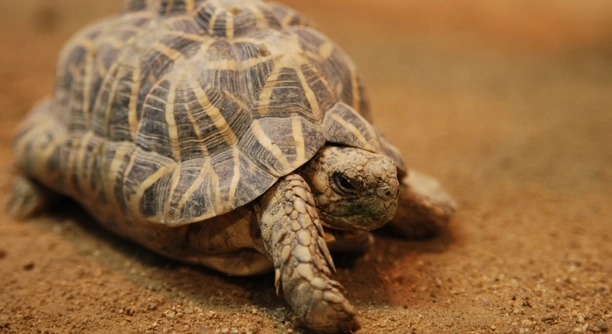
Indian Star Tortoises and Red-Footed Tortoises are both fascinating creatures. Many pet owners may wonder if these two species can live together in the same environment without issues. Understanding their needs is important when considering their cohabitation.
Indian Star Tortoises and Red-Footed Tortoises have different habitat and dietary requirements, making it difficult for them to live together. While both species can coexist in separate enclosures, housing them together can lead to stress and competition for resources.
Ensuring your tortoises’ well-being requires understanding the specific needs of each species. By providing proper care, you can help them thrive individually.
Differences Between Indian Star Tortoises and Red-Footed Tortoises
Indian Star Tortoises and Red-Footed Tortoises have unique traits that set them apart. Indian Star Tortoises are native to India and Sri Lanka, and they are known for their beautiful star-patterned shells. They prefer dry, arid environments with warm temperatures. Red-Footed Tortoises, on the other hand, come from the rainforests of Central and South America. They thrive in more humid and tropical climates, with a preference for shaded, moist areas. These differences are crucial to consider when thinking about housing both species in the same environment.
Due to these varying preferences, providing the right conditions for both species would require more effort and attention. Their temperature and humidity needs don’t overlap, which can lead to difficulties in maintaining a suitable environment for both tortoises at once.
When housed together, they may face challenges. For example, an Indian Star Tortoise needs low humidity to avoid shell rot, while Red-Footed Tortoises require higher humidity to stay healthy. These contrasting needs can cause stress to both species, and they may not adapt well to the same space. Even if both species are healthy, the risk of diseases spreading is higher when housed together in unsuitable conditions. This can complicate their care and make it harder for you to manage their habitat.
Behavior Differences and Compatibility
Their behavior also plays a role in their ability to coexist.
Indian Star Tortoises are more solitary by nature and prefer to be left alone. Red-Footed Tortoises, however, tend to be a bit more social. While they can tolerate being around others, they can still display territorial behavior. In a shared space, this might lead to conflict. As a result, keeping them together could lead to stress and fighting, which can affect their overall health and well-being.
Red-Footed Tortoises are generally more active and curious than Indian Star Tortoises. They may try to explore and move around more, which could disturb the Indian Star Tortoise, who is often more reserved. If these behaviors clash, it could lead to a stressful environment. Stress can lead to health problems, including loss of appetite, decreased activity, and even injury from fighting.
To avoid these issues, it’s recommended to keep each species in separate enclosures, ensuring that both can have a comfortable and stress-free space to live in. Proper care for each tortoise can be provided without the worry of constant interaction between the two species.
Habitat Considerations
Indian Star Tortoises and Red-Footed Tortoises require different habitat setups. Indian Star Tortoises need a dry, arid environment with access to warmth and plenty of sun. Red-Footed Tortoises, on the other hand, need a more humid, tropical setting with shade. These differing environmental needs make it difficult to create a shared space.
When considering a habitat, Indian Star Tortoises prefer a temperature range of 80-90°F during the day, with slightly cooler nights. They do best in arid enclosures, with minimal humidity. Red-Footed Tortoises thrive in warmer, more humid conditions, ideally with humidity levels around 70-80%. This difference in humidity needs can cause problems when trying to house both species in one enclosure.
Additionally, Red-Footed Tortoises like areas with plenty of hiding spots and access to water for soaking, which contrasts with the more open, dry setups preferred by Indian Star Tortoises. Creating an ideal environment for both would require constant adjustments, likely resulting in a stressful environment for both species.
Diet and Feeding Habits
Indian Star Tortoises are mostly herbivores, feeding on a variety of grasses, leaves, and flowers. Red-Footed Tortoises are omnivores, with a diet that includes fruits, vegetables, and even small animals like insects. Their dietary preferences are very different, which can lead to competition for food if housed together.
For Indian Star Tortoises, a diet of leafy greens like dandelion and clover, along with occasional fruits, is ideal. Red-Footed Tortoises require a more varied diet, including high-moisture fruits like papaya and mango, as well as leafy vegetables and protein sources. The contrast in these feeding habits means that their food needs would have to be strictly monitored in a shared space.
If one species gets access to more food than the other, it could cause stress or aggression, affecting their health. Offering food at separate times or locations is one way to reduce competition, but managing both diets in the same enclosure may not always be practical. Keeping each species well-fed and healthy could be harder when they live together.
Health Risks of Cohabitation
Housing Indian Star Tortoises and Red-Footed Tortoises together can increase the risk of disease transmission. Both species are susceptible to various infections and parasites, and close contact can lead to the spread of these health threats. Keeping them apart helps minimize these risks.
Indian Star Tortoises are prone to shell rot if they are exposed to too much moisture. Red-Footed Tortoises are more likely to develop respiratory infections if exposed to cold or dry conditions. The stress of sharing an environment can weaken their immune systems, making them more vulnerable to illness.
For instance, Red-Footed Tortoises need higher humidity, which might create a perfect environment for fungal infections. In contrast, Indian Star Tortoises require dry conditions, and increased moisture from shared spaces could cause issues like shell rot. Ensuring each species stays healthy would be challenging if they live together.
Space and Enclosure Size
When it comes to enclosure size, Indian Star Tortoises and Red-Footed Tortoises require different amounts of space. Indian Star Tortoises are smaller and prefer open, spacious areas to roam, while Red-Footed Tortoises tend to enjoy areas with more cover and hiding spots.
Providing enough room for both species would mean doubling the space requirement and could lead to overcrowding. Overcrowding can cause stress and aggression, making it hard to manage the well-being of each tortoise. Each species thrives better in its own appropriately sized enclosure, reducing the chance of stress and territorial disputes.
Temperature Needs
Indian Star Tortoises need a warm, dry environment to stay healthy, with a daytime temperature range of 80-90°F. Red-Footed Tortoises prefer a warmer, more humid environment with a temperature of around 80°F.
FAQ
Can Indian Star Tortoises and Red-Footed Tortoises live together in the same enclosure?
It’s not recommended to house Indian Star Tortoises and Red-Footed Tortoises together. The two species have different environmental, dietary, and social needs. Indian Star Tortoises thrive in dry, arid environments, while Red-Footed Tortoises prefer more humid, tropical conditions. Housing them together could lead to stress, competition for food, and an unhealthy environment for both species.
What are the key differences between Indian Star Tortoises and Red-Footed Tortoises?
Indian Star Tortoises are native to India and Sri Lanka, with a distinct star pattern on their shells. They prefer dry habitats and are mainly herbivorous. Red-Footed Tortoises, native to Central and South America, have a bright red or orange pattern on their legs and are omnivorous, feeding on both plants and animals. Their habitats are more humid, and they thrive in tropical environments.
What are the temperature and humidity requirements for each species?
Indian Star Tortoises require a temperature range of 80-90°F during the day, with cooler temperatures at night. They do well in low-humidity environments. In contrast, Red-Footed Tortoises prefer a consistent temperature of around 80°F with higher humidity levels, ideally between 70-80%. This difference in climate preferences makes cohabitation difficult.
Can they spread diseases to each other if housed together?
Yes, housing these two species together increases the risk of disease transmission. Both Indian Star Tortoises and Red-Footed Tortoises are prone to various infections and parasites. Since their immune systems may be stressed from living in an unsuitable environment, this could make them more susceptible to disease. It’s better to keep them in separate enclosures to prevent this.
Do Indian Star Tortoises and Red-Footed Tortoises have different feeding needs?
Yes, their feeding needs are quite different. Indian Star Tortoises are primarily herbivores, feeding on grasses, leaves, and flowers. Red-Footed Tortoises, however, are omnivores and need a more varied diet that includes fruits, vegetables, and occasional protein like insects. This difference in diet can lead to competition for food if they are housed together.
What happens if they are housed together despite these differences?
If housed together, both species may experience stress due to unsuitable living conditions. The Indian Star Tortoise may struggle with higher humidity, which can lead to shell rot. The Red-Footed Tortoise could face respiratory issues in dry conditions. Additionally, competition for food, space, and attention can cause aggression or territorial behavior, further impacting their health.
Is it possible to create a shared habitat for both species?
It is very challenging to create a suitable shared habitat for both species due to their differing temperature, humidity, and space requirements. The ideal solution would be to provide separate enclosures for each species, ensuring that they have the proper environment to thrive without stress or competition.
How much space do Indian Star Tortoises and Red-Footed Tortoises need?
Indian Star Tortoises need a spacious enclosure with room to roam. A minimum of 40 square feet is recommended for a single tortoise, and more space is needed if multiple tortoises are kept together. Red-Footed Tortoises require at least 50 square feet of space for one tortoise, with more room for multiple individuals. They also need hiding spots and areas for soaking, which is difficult to provide in a shared space with Indian Star Tortoises.
Can they live without a companion?
Both species are solitary by nature, and while Red-Footed Tortoises may be more social, they still don’t require a companion. Indian Star Tortoises prefer to be alone and are not likely to benefit from the presence of another tortoise. Therefore, they do not need to be housed together for emotional or social reasons.
Can I keep other types of tortoises with either species?
It is generally not advisable to house different types of tortoises together unless they share similar environmental and dietary needs. Even then, there’s a risk of stress, aggression, and competition. It’s always best to research each species thoroughly and provide them with a separate enclosure tailored to their needs.
What should I do if I want both species as pets?
If you want to keep both Indian Star Tortoises and Red-Footed Tortoises as pets, the best approach is to provide each species with its own appropriate habitat. Separate enclosures ensure that their temperature, humidity, and dietary needs are met without compromising their health or well-being. This also helps avoid stress and conflict between the two species.
What are the most common health issues for Indian Star Tortoises and Red-Footed Tortoises?
Indian Star Tortoises are most prone to shell rot and dehydration, especially if their habitat is too humid. They may also face respiratory issues if kept in overly damp conditions. Red-Footed Tortoises can develop respiratory infections in dry, cold conditions and may suffer from fungal infections due to high humidity levels. Proper care, including temperature and humidity control, is key to preventing these health problems.
When considering whether Indian Star Tortoises and Red-Footed Tortoises can live together, it’s important to take their differing needs into account. While both species are fascinating and beautiful, their habitat requirements, dietary habits, and overall care needs are quite different. Indian Star Tortoises thrive in dry, arid environments with low humidity, while Red-Footed Tortoises prefer a more tropical, humid climate. These contrasting needs make it challenging to house them in the same space. Even though they may seem compatible at first glance, they can end up causing each other stress, which could lead to health problems.
Keeping them in separate enclosures ensures that both species can live in an environment that is tailored to their specific needs. It’s easier to regulate temperature, humidity, and space requirements when each tortoise has its own space. Indian Star Tortoises need an enclosure with plenty of room to roam and bask in the sun, with dry conditions to prevent shell rot. Red-Footed Tortoises, on the other hand, need a moist environment with access to shade and water for soaking. Managing both species together in one space can result in constant adjustments that may not provide the best living conditions for either species.
Ultimately, providing individual care and attention to each tortoise will allow them to live happier and healthier lives. Both species can thrive with the right setup, and keeping them in separate enclosures is the best option to ensure their well-being. While it may seem easier to house them together, their needs are simply too different to allow for peaceful cohabitation. By understanding the unique requirements of each species, you can create a suitable and comfortable home for both your Indian Star Tortoise and Red-Footed Tortoise, giving them the best chance at a long, healthy life.

Hello,
If you enjoy the content that we create, please consider saying a "Thank You!" by leaving a tip.
Every little bit helps us continue crafting quality advice that supports the health, happiness, and well-being of pets around the world, for pets of all shapes, sizes, and species.
We really appreciate the kindness and support that you show us!