
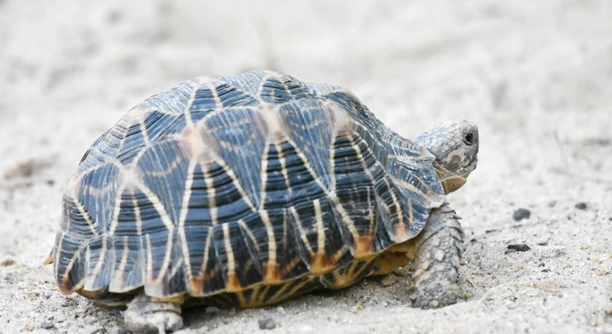
Creating a suitable enclosure for your Indian Star Tortoise is essential for their well-being. With a bit of creativity and resourcefulness, you can design a comfortable and affordable habitat for them. These ideas will help guide you.
Designing an affordable DIY Indian Star Tortoise enclosure requires careful consideration of space, ventilation, and safety. By using inexpensive materials like wood, mesh, and plastic containers, you can build a safe and spacious habitat without breaking the bank.
These simple yet effective ideas will help you create a cozy environment for your tortoise, ensuring its comfort and safety.
Choosing the Right Materials for Your Tortoise Enclosure
When building a DIY enclosure, selecting the right materials is crucial. You’ll need to ensure your tortoise has enough space to move, hide, and bask. Wood is often the best option for the frame due to its durability and ease of use. Mesh wire can be used for the top or sides to keep the tortoise inside while allowing ventilation. Plastic containers or tubs can serve as affordable options for the bottom, providing a stable, non-toxic environment.
Make sure the materials you choose are safe for your tortoise. Avoid anything treated with chemicals or paints that could be harmful. Sturdiness is essential to prevent the enclosure from breaking or tipping over. Choosing natural materials like untreated wood and non-toxic plastics will keep your tortoise safe and comfortable.
Also, consider how easy it will be to clean the enclosure. A removable bottom or a lid that’s easy to open will make cleaning much simpler. Proper maintenance is key to maintaining a healthy environment for your pet.
Creating a Safe and Comfortable Space
One of the main goals when designing the enclosure is to provide a comfortable, safe space. Your tortoise will need areas to hide, bask, and explore. Make sure there are enough hiding spots to mimic their natural habitat and reduce stress.
Adding a layer of substrate will help with temperature regulation and provide your tortoise with a place to dig. Options like coconut coir, organic topsoil, or reptile-safe bedding work well for this purpose. Ensure the substrate is deep enough for your tortoise to burrow or hide if it feels stressed.
The temperature inside the enclosure must be kept steady. A basking lamp with a heat source, such as a UVB bulb, will provide warmth. Make sure the lamp is not too close to the substrate or tortoise. The basking area should be around 90°F (32°C), while the cooler side should be at a more moderate temperature of around 75°F (24°C). This gradient will allow your tortoise to regulate its body temperature.
Providing Proper Ventilation
Ventilation is key for your tortoise’s health. It prevents excess humidity, reduces the risk of mold, and ensures a steady supply of fresh air. You can use mesh or wire screens on the top or sides of the enclosure for optimal airflow.
Ensure that the ventilation system allows the air to circulate freely but doesn’t allow your tortoise to escape. Avoid small holes that could be easily breached. Also, keep in mind that while ventilation is essential, you want to avoid excessive drafts that might stress your tortoise. The balance is important for their comfort.
Good ventilation also helps with temperature regulation. A well-ventilated space will allow the heat from your basking light to spread evenly throughout the enclosure. Just be mindful that too much open space may affect the warmth retention.
Choosing the Right Size
The size of the enclosure depends on your tortoise’s size and age. A baby Indian Star Tortoise doesn’t require as much space, but as they grow, the enclosure needs to expand. Ensure the space is large enough for the tortoise to roam freely and explore.
The enclosure should be at least 4 times the size of your tortoise. For a young tortoise, this could be around 3 feet by 2 feet. As your tortoise matures, the enclosure should grow to accommodate its larger size. This will allow your tortoise to engage in natural behaviors like moving around and searching for food.
Having extra space also helps with creating temperature gradients. It gives your tortoise options to find a warm basking spot or a cooler area, depending on their needs. Keep in mind that larger enclosures may need additional lighting and heating sources to maintain a proper climate.
Adding Lighting for UVB
Proper lighting is essential for your tortoise’s health. UVB light is crucial for their calcium absorption, which supports their shell and bone growth. Use a UVB bulb that is specifically designed for reptiles to ensure they get the right amount of exposure.
Keep the UVB light positioned correctly to provide maximum exposure to your tortoise. It should be placed over the basking area, with a light fixture that’s safe and secure. Replace the UVB bulb every six months, as its effectiveness decreases over time. Also, remember that UVB light should be on for around 10-12 hours each day.
It’s important to maintain a proper light cycle. Having a consistent light schedule, with a period of darkness during the night, is necessary for your tortoise’s overall well-being. If possible, set a timer for the light to automatically turn on and off.
Substrate Selection
Choosing the right substrate is crucial to mimic the tortoise’s natural environment. Use materials like coconut coir, organic topsoil, or a reptile-safe bedding. Avoid using sand, as it can cause impaction if ingested.
Substrates should be deep enough for your tortoise to dig and burrow. This helps with stress reduction and mimics the natural behavior of the tortoise in the wild. Change the substrate regularly to maintain cleanliness and ensure it doesn’t become too moist. A dry environment will also help control mold growth.
Hiding Spots and Accessories
Adding hiding spots and accessories in the enclosure creates a more natural, comfortable environment for your tortoise. Include small caves, logs, or plants to provide shelter and areas for exploration. This helps reduce stress by giving your tortoise a place to retreat when it feels vulnerable.
A few carefully placed objects like rocks or large leaves will encourage natural behaviors, such as climbing and basking. Ensure the accessories are safe, easy to clean, and won’t harm your tortoise if it tries to move them.
FAQ
What size should the enclosure be for an Indian Star Tortoise?
The enclosure size should be large enough to allow your tortoise to move freely. For a baby Indian Star Tortoise, the enclosure should be at least 3 feet by 2 feet. As the tortoise grows, the enclosure should expand. A larger tortoise will need a space that is at least 4 feet by 2 feet. Providing more space ensures that your tortoise can engage in natural behaviors and exercise, which is important for their overall health.
Do Indian Star Tortoises need UVB light?
Yes, UVB light is crucial for an Indian Star Tortoise. It helps them absorb calcium and supports healthy shell and bone growth. Without adequate UVB light, your tortoise can develop metabolic bone disease. Make sure to use a UVB bulb that is designed for reptiles, and replace it every six months as its effectiveness diminishes over time. Position the light directly above the basking area and keep it on for 10 to 12 hours a day to mimic natural sunlight.
Can I use sand in my tortoise’s enclosure?
It’s not recommended to use sand in a tortoise’s enclosure, as it can cause impaction if ingested. Tortoises often ingest substrate while eating or exploring, and sand can lead to serious digestive issues. Instead, choose a substrate like coconut coir or organic topsoil, which is safe, easy to clean, and provides a more natural environment for your tortoise.
How often should I clean the enclosure?
Cleaning your tortoise’s enclosure is essential to maintain a healthy living space. Remove waste daily and replace soiled substrate as needed. A deep cleaning should be done at least once a month, where you fully replace the substrate, clean all accessories, and sanitize the enclosure with a safe disinfectant. Keeping the environment clean helps prevent the buildup of harmful bacteria and ensures your tortoise stays healthy.
What is the best temperature for an Indian Star Tortoise enclosure?
Your Indian Star Tortoise needs a temperature gradient in the enclosure to regulate its body temperature. The basking area should be around 90°F (32°C), while the cooler side of the enclosure should stay around 75°F (24°C). You can achieve this by using a heat lamp or ceramic heat emitter for the basking spot. Make sure there is no direct draft in the enclosure, as that could cause temperature instability and stress your tortoise.
Can I use plastic containers for a tortoise enclosure?
Yes, plastic containers can work well for a tortoise enclosure. They are inexpensive, easy to clean, and can be customized to fit the needs of your tortoise. Make sure the container is large enough for your tortoise to move around in comfortably. Plastic bins are also useful for creating a secure, escape-proof environment. However, ensure that the plastic is non-toxic and safe for reptiles.
How do I provide enough humidity for my tortoise?
Indian Star Tortoises don’t require a high level of humidity, but the environment should be kept dry. You can add a shallow water dish in the enclosure for your tortoise to drink and soak in, but avoid excess moisture in the substrate. If you live in a very dry area, lightly mist the substrate once in a while, but make sure it doesn’t stay wet. Proper ventilation is also key to preventing excess humidity and mold growth in the enclosure.
What should I feed my Indian Star Tortoise?
Indian Star Tortoises are primarily herbivores. Their diet should consist of a variety of leafy greens, grasses, and some fruits. Foods like dandelion greens, collard greens, and hay are good options. Avoid feeding your tortoise high-protein foods or those high in oxalates, such as spinach. Providing a varied diet ensures that your tortoise receives the nutrients it needs for healthy growth.
Can Indian Star Tortoises be housed together?
Indian Star Tortoises can sometimes be housed together, but it’s important to ensure that there is enough space for each tortoise to have its own territory. Tortoises are territorial and may become aggressive if housed together, especially males. If you decide to house multiple tortoises, make sure to provide separate hiding spots and ensure that each tortoise has access to food and water. It’s usually best to keep them in separate enclosures to avoid stress or fighting.
How can I tell if my tortoise is stressed?
Signs of stress in a tortoise can include excessive hiding, lack of appetite, rapid breathing, or aggression. If your tortoise is spending too much time in one spot or is pacing along the walls of the enclosure, it may be stressed. Stress can also be caused by improper temperature, lack of hiding spaces, or insufficient space in the enclosure. Ensure that the enclosure provides the right conditions, such as a proper temperature gradient and enough hiding spots to make your tortoise feel secure.
How can I make sure my tortoise is getting enough calcium?
To ensure your tortoise is getting enough calcium, provide calcium supplements in the form of calcium powder. Dust the greens you feed your tortoise with the powder once or twice a week. Additionally, ensure that your tortoise has access to a UVB light, which helps it absorb calcium from the food it eats. You can also provide cuttlebone or a calcium block in the enclosure for your tortoise to nibble on.
Final Thoughts
Creating an ideal enclosure for your Indian Star Tortoise doesn’t need to be complicated. With a bit of effort, you can set up a comfortable, safe space that closely mimics its natural habitat. By focusing on the essentials—proper lighting, temperature, substrate, and accessories—you’ll provide your tortoise with everything it needs to thrive. These simple steps will help ensure your tortoise remains healthy, active, and content in its environment.
Understanding your tortoise’s needs is crucial. Their health depends on having the right balance of warmth, UVB light, and humidity, along with a proper diet. It’s also important to keep their space clean and provide opportunities for natural behaviors. With the right setup, your Indian Star Tortoise will not only have a functional home but also an enriching environment where it can grow and develop.
Remember that the process of caring for your tortoise is ongoing. Regular maintenance of the enclosure, monitoring the temperature and humidity, and adjusting the setup as your tortoise grows are all important aspects of its care. As long as you stay consistent with the basics, your tortoise will live a long, healthy life.

Hello,
If you enjoy the content that we create, please consider saying a "Thank You!" by leaving a tip.
Every little bit helps us continue crafting quality advice that supports the health, happiness, and well-being of pets around the world, for pets of all shapes, sizes, and species.
We really appreciate the kindness and support that you show us!