
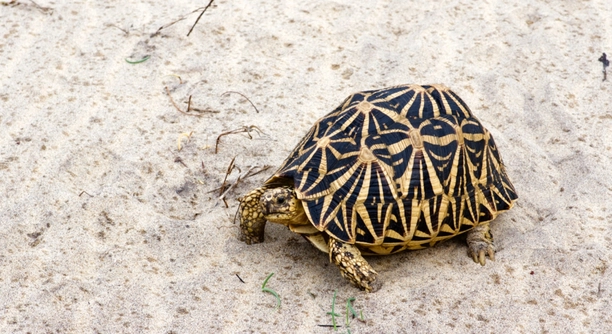
If you’ve noticed your Indian Star Tortoise shaking its head, it may be concerning, especially when it seems out of the ordinary. Understanding this behavior is key to addressing any potential issues that may arise.
Head shaking in Indian Star Tortoises is often caused by respiratory infections or environmental stress. It can also result from improper humidity, temperature, or diet, all of which may affect their overall well-being. Addressing these factors is essential for their health.
Understanding the underlying causes and solutions can help you keep your tortoise healthy and comfortable in its habitat.
Possible Causes of Head Shaking in Indian Star Tortoises
There are several factors that can lead to your Indian Star Tortoise shaking its head. One of the main causes is a respiratory infection, which can be triggered by an environment that is too cold, too dry, or improperly ventilated. These infections often lead to symptoms such as head shaking, nasal discharge, and wheezing. Additionally, an improper diet can weaken your tortoise’s immune system, making it more susceptible to infections. Stress, caused by sudden changes in temperature, overcrowding, or handling, can also lead to head shaking. It’s important to monitor your tortoise’s environment closely and make adjustments as needed.
Sometimes, poor hygiene in the tortoise’s living area contributes to these health issues. A clean enclosure with proper ventilation and appropriate substrate is essential for preventing infections. If your tortoise’s environment is consistently out of balance, it may struggle to stay healthy. Keeping the habitat clean and ensuring that humidity levels and temperatures are optimal can go a long way in preventing unnecessary stress or illness.
How to Treat and Prevent Health Issues
If your tortoise is shaking its head due to an infection, you must act quickly. First, take your tortoise to a vet who specializes in reptiles to get a proper diagnosis. If an infection is present, your vet may prescribe antibiotics or other medications. In the meantime, adjusting the habitat temperature and humidity can help improve your tortoise’s recovery. Make sure that the environment remains warm enough, around 80-85°F, with a humidity level of 50-60%. Adding a humidifier or misting the enclosure can help with this. A balanced diet rich in calcium and other nutrients will also support your tortoise’s immune system, helping it fight off infections.
Don’t forget to monitor your tortoise for any changes in behavior. If the head shaking persists after addressing environmental factors and diet, consult with your vet to ensure there are no underlying health concerns. Regular health checkups are vital for maintaining the long-term well-being of your tortoise. By staying proactive, you can ensure a comfortable, safe environment for your pet.
Environmental Factors Affecting Your Tortoise’s Health
Environmental factors play a crucial role in the health of your Indian Star Tortoise. Incorrect temperature and humidity levels are often the main causes of head shaking. If your tortoise’s habitat is too cold or dry, its immune system may weaken, making it vulnerable to respiratory infections. Ensure the enclosure maintains a stable temperature and humidity level suitable for your tortoise.
A common issue is improper lighting. Your tortoise needs access to both UVB lighting and heat lamps to regulate its body temperature. UVB rays help your tortoise absorb calcium and prevent metabolic bone disease, which can lead to weakness and head shaking. Additionally, poor ventilation can cause stagnant air, contributing to respiratory problems. Proper airflow and an appropriate heat gradient can help avoid these complications. Consider using a thermometer and hygrometer to monitor the environment accurately, ensuring it remains within the optimal range.
Diet and Hydration
Your tortoise’s diet directly impacts its health and ability to fight infections. A lack of calcium, vitamins, and minerals can contribute to overall weakness, making it more susceptible to respiratory issues. It’s important to feed your tortoise a varied diet that includes dark leafy greens like collard greens, dandelion, and mustard greens. Fruits and vegetables should be offered in moderation to avoid excess sugar.
Hydration is another key factor. A dehydrated tortoise is at a higher risk of developing health problems. Provide fresh water daily and offer water-rich foods like cucumbers and watermelon. However, avoid providing too much moisture in a short time to prevent diarrhea. Proper hydration supports your tortoise’s organ function, aiding digestion and strengthening its immune system, which helps fight off infections.
Stress and Overhandling
Stress can also cause head shaking in your tortoise. Constant handling, loud noises, or sudden changes in their environment can be overwhelming. Tortoises are naturally shy creatures that prefer stability. Avoid handling them too frequently to reduce their stress levels.
Create a quiet, stable environment for your tortoise to feel secure. Over time, handling them too much can cause them to become fearful or agitated, which weakens their immune system. This makes them more vulnerable to infections and other health problems. A calm, undisturbed habitat helps maintain their well-being and reduces stress-induced symptoms like head shaking.
Temperature and Humidity Regulation
Maintaining proper temperature and humidity is essential. Too low or too high temperatures can weaken your tortoise’s immune system and make it more likely to contract infections. The ideal temperature range for an Indian Star Tortoise is between 80-85°F during the day, with a basking spot reaching 90°F.
Humidity should be kept at 50-60% for optimal health. Low humidity levels can cause respiratory problems, while too much moisture can lead to fungal growth. Consider adding a humidity gauge to monitor levels. Regular misting or using a humidifier can help ensure your tortoise remains comfortable and healthy.
Rest and Recovery
Head shaking could also be a sign that your tortoise needs rest. When sick or stressed, tortoises often withdraw to recover. Allow your tortoise to have periods of rest where it can stay undisturbed in a comfortable spot. This helps them recover faster.
FAQ
Why is my Indian Star Tortoise shaking its head?
Head shaking in Indian Star Tortoises can be a sign of respiratory infection or environmental stress. This behavior is often linked to improper humidity, temperature, or diet. A sudden change in the environment or excessive handling can also contribute to stress, leading to head shaking.
How can I prevent respiratory infections in my tortoise?
To prevent respiratory infections, it’s essential to maintain proper environmental conditions. Ensure that the temperature in your tortoise’s enclosure stays between 80-85°F, with a basking area reaching 90°F. Humidity should be between 50-60%. Regularly clean the enclosure and avoid drafts. Additionally, a balanced diet and proper hydration can help boost your tortoise’s immune system.
What should I do if my tortoise keeps shaking its head?
If your tortoise continues to shake its head, it’s important to first check the habitat conditions. Ensure that the temperature and humidity are within the recommended ranges. If the environment is correct, but the behavior persists, visit a reptile vet. A vet can diagnose whether an infection is present and suggest appropriate treatment.
Is it normal for a tortoise to shake its head when it’s stressed?
Yes, stress can cause your tortoise to shake its head. Tortoises are sensitive to their surroundings, and factors such as overhandling, loud noises, or sudden changes in the habitat can cause them to feel stressed. Reducing stress by providing a calm and stable environment can help prevent this behavior.
How do I ensure the proper diet for my tortoise?
The proper diet for your Indian Star Tortoise should be high in fiber and calcium. Offer a variety of dark leafy greens like collard greens, dandelion greens, and mustard greens. Avoid feeding them too many high-sugar fruits, as this can lead to health issues. Ensure your tortoise gets enough calcium, which is vital for their shell and bone health.
Can dehydration cause head shaking in tortoises?
Yes, dehydration can cause head shaking. When tortoises don’t receive enough water, their overall health declines, which can lead to symptoms like head shaking. Always ensure that fresh water is available for your tortoise, and consider adding water-rich vegetables like cucumbers to their diet to help with hydration.
How often should I handle my tortoise?
It’s best to handle your tortoise sparingly to avoid stress. Tortoises are solitary creatures that don’t need constant attention. Excessive handling can lead to stress, which may result in behaviors like head shaking. Limit handling to short periods and ensure your tortoise feels safe and secure in its environment.
What is the ideal humidity level for an Indian Star Tortoise?
The ideal humidity level for an Indian Star Tortoise is between 50-60%. Humidity that’s too low can lead to dehydration and respiratory issues, while excessive humidity can encourage the growth of mold and fungi. Maintaining the right balance is essential for your tortoise’s health.
Can my tortoise’s enclosure affect its behavior?
Yes, the environment has a direct impact on your tortoise’s behavior. An enclosure that’s too cold, too hot, or too dry can cause stress, leading to head shaking and other signs of discomfort. Make sure the enclosure is appropriately sized, with proper ventilation, temperature, and humidity. Provide a basking area and a cooler area to create a temperature gradient, allowing your tortoise to regulate its body temperature.
What are the signs that my tortoise is stressed?
In addition to head shaking, signs of stress in tortoises include hiding, loss of appetite, excessive pacing, or becoming aggressive. If your tortoise is displaying these behaviors, it may be a sign that its environment or routine is causing stress. Evaluate the habitat and ensure it’s comfortable and stable.
How can I help my tortoise recover from a respiratory infection?
To help your tortoise recover from a respiratory infection, it’s essential to first visit a reptile vet for proper treatment. The vet may prescribe antibiotics to clear the infection. In the meantime, adjust the environment to ensure it’s warm enough and has proper humidity. Avoid handling your tortoise too much and allow it to rest. A well-balanced diet with sufficient vitamins and calcium will also help support its recovery.
What is the best way to provide calcium to my tortoise?
Calcium can be provided through a varied diet that includes calcium-rich vegetables and fruits. You can also offer calcium supplements specifically made for reptiles. Dust the food with a calcium powder that doesn’t contain phosphorus or vitamin D3, as too much of either can be harmful. Regular exposure to UVB light will help your tortoise metabolize calcium effectively.
How can I clean my tortoise’s enclosure?
To clean the enclosure, remove any uneaten food, waste, and debris daily. Weekly, scrub the walls, substrate, and furniture with a mild reptile-safe disinfectant. Rinse thoroughly to remove any cleaning residue. Make sure to check the temperature and humidity levels after cleaning to ensure they remain stable.
Why is my tortoise not eating?
Loss of appetite in tortoises can be caused by stress, illness, or improper environmental conditions. If the habitat is too cold or too hot, or if the humidity is incorrect, your tortoise may stop eating. Illnesses like respiratory infections can also cause a lack of appetite. Ensure the environment is optimal and consider a vet visit if the problem persists.
Final Thoughts
It’s important to understand that head shaking in Indian Star Tortoises can be caused by various factors, including respiratory infections, stress, and improper environmental conditions. Addressing these causes is essential to ensure the health and well-being of your tortoise. Regularly monitor the temperature, humidity, and overall habitat setup to make sure it’s suitable for your pet. A stable and comfortable environment goes a long way in preventing health problems, including head shaking.
If your tortoise continues to show signs of distress, such as head shaking, and the environment seems fine, it’s wise to consult a reptile vet. They can provide a proper diagnosis and recommend the best course of treatment. Catching any issues early will make a big difference in your tortoise’s recovery and long-term health. Sometimes, head shaking could be a sign of a more serious underlying issue, and quick action can prevent it from worsening. Always trust a vet when in doubt.
Taking care of an Indian Star Tortoise requires patience, attention to detail, and understanding. Their behavior, including something as subtle as head shaking, can be an important clue to their overall health. By learning to recognize these signs and making the necessary changes to their environment, you can provide a happy, healthy life for your tortoise. This will help prevent future problems and ensure that your tortoise thrives for years to come.

Hello,
If you enjoy the content that we create, please consider saying a "Thank You!" by leaving a tip.
Every little bit helps us continue crafting quality advice that supports the health, happiness, and well-being of pets around the world, for pets of all shapes, sizes, and species.
We really appreciate the kindness and support that you show us!