
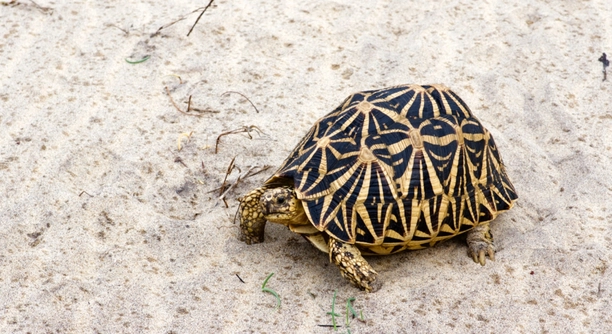
Creating a suitable hide for your Indian Star Tortoise can enhance their well-being. A humid hide is essential for maintaining healthy humidity levels, aiding in shedding and overall comfort. Follow these steps to provide the perfect environment.
To create a humid hide for your Indian Star Tortoise, you will need to choose a proper enclosure, prepare the right substrate, and ensure consistent humidity levels. Use materials like sphagnum moss, and monitor the hide’s conditions regularly.
This simple guide will help you create a safe and comfortable humid hide, ensuring the health of your tortoise.
Choosing the Right Enclosure for Your Tortoise’s Humid Hide
The first step in creating a humid hide is selecting an appropriate enclosure. A humid hide can be set up within your tortoise’s main habitat, such as a terrarium or tortoise table. It is important to make sure that the hide is large enough for your Indian Star Tortoise to comfortably fit inside, but not too large that it feels insecure. Ideally, a small plastic container or a ceramic pot can work well, as they retain humidity more effectively. Ensure that the hide is positioned in a shaded area to avoid excessive heat exposure, which can dry out the moisture. Always provide an entrance that allows easy access while still offering a sense of privacy for your tortoise. The hide must be placed in an area where you can control the humidity and temperature more precisely.
Choosing the right enclosure will ensure your tortoise has a secure, humid space that promotes natural behaviors and better overall health.
To maintain consistent humidity, the hide should be checked frequently for any signs of excess moisture or dryness. It’s also important to ensure the enclosure is properly ventilated to avoid mold growth.
Selecting the Perfect Substrate for Moisture Retention
The substrate is a key element in maintaining the right humidity levels within the hide. Sphagnum moss is an excellent choice due to its ability to hold moisture and maintain humidity for extended periods. Coconut coir or a mixture of soil and moss can also be used for a natural, moisture-retaining environment. Avoid using substrates like sand or gravel, as they do not retain moisture well. When setting up the hide, pack the substrate tightly enough to hold the humidity but loose enough to allow airflow. It’s crucial to monitor the humidity inside the hide regularly to ensure your tortoise’s comfort.
Selecting the right substrate allows for better humidity retention and ensures that your tortoise stays healthy.
Once the substrate is in place, dampen it with water, making sure the moisture is evenly distributed throughout. Always check the substrate periodically and rehydrate it as needed to maintain the humidity.
Monitoring Humidity Levels
To keep your tortoise’s hide at the right humidity level, use a hygrometer to monitor the environment. The humidity should be kept between 60-80%. If the humidity drops below 60%, your tortoise may struggle with shedding, which can lead to health issues. Regularly check and adjust the humidity as necessary.
Place the hygrometer inside the hide, preferably in the center. This will give you a more accurate reading of the humidity your tortoise experiences. If the humidity falls too low, simply spray the moss with water to bring it back to the proper level.
If the humidity is consistently too high, make sure the hide is well-ventilated to prevent mold growth. Too much moisture can be harmful to both the substrate and your tortoise’s health, so it’s important to find a balance.
Proper Temperature for the Humid Hide
Temperature is just as important as humidity in your tortoise’s hide. The temperature should be kept between 75-85°F (24-29°C). This range will allow your tortoise to feel secure and comfortable, promoting a healthy environment. Too high or low temperatures can stress your tortoise, so constant monitoring is essential.
Use a reliable thermometer to ensure the hide stays within the desired range. Consider adding a heat source like a heat mat under the hide, as long as it doesn’t raise the temperature too much. The heat source should be placed away from the moisture area to avoid any negative effects on the humidity levels.
If necessary, adjust the heating element or placement to maintain proper temperature control. Always ensure that the temperature is stable and consistent to prevent any discomfort or health risks for your tortoise.
Choosing the Right Location for the Humid Hide
Place the humid hide in an area of the enclosure where the temperature remains stable. Avoid putting it directly under a heat lamp, as this can dry out the moisture too quickly. Ensure there is enough space for your tortoise to access the hide comfortably.
Choosing the right spot ensures the hide remains effective and beneficial for your tortoise’s health. It also keeps the humidity levels stable, providing a comfortable environment for your tortoise to rest and retreat.
Adding Foliage or Accessories
Adding some foliage or a few accessories to the humid hide can make it more inviting for your tortoise. Fake plants or small rocks can help simulate a more natural environment. Be sure to choose materials that won’t affect the humidity levels or pose a choking hazard.
These additions can help make the hide feel like a safe, comfortable space for your tortoise. Ensure that the accessories are securely placed and easy to clean to avoid any issues with mold or bacteria growth.
Maintaining Cleanliness
Regular cleaning of the humid hide is important to prevent bacteria or mold buildup. Once a week, remove and replace the substrate to keep it fresh. Always check the hide for any signs of mold or unpleasant odors. Keeping the hide clean will promote your tortoise’s health and comfort.
Cleaning the hide also ensures that your tortoise remains in a safe environment, free from harmful bacteria. It helps maintain optimal humidity levels and prevents any issues that might arise from dirty or damp conditions.
FAQ
How often should I mist the humid hide?
You should mist the humid hide once or twice a day, depending on the humidity levels inside the hide. Check the humidity with a hygrometer to see if it’s maintaining the proper range of 60-80%. If the humidity level drops below 60%, you can mist the hide more frequently. If you find that the humidity stays too high, reduce the misting and check for ventilation issues. It’s crucial to find a balance that keeps the environment comfortable for your tortoise.
Can I use real plants in the humid hide?
Yes, you can use real plants in the humid hide, but be cautious about the types you choose. Opt for plants that are non-toxic to tortoises, like ferns or grasses. Real plants help maintain humidity by releasing moisture into the air. However, they may require extra care to stay healthy in the humid environment. Avoid plants that might rot or harbor pests in the hide.
Should I place a heat source near the humid hide?
No, avoid placing a heat source directly on or near the humid hide, as it could dry out the moisture. Heat sources, like heat mats or lamps, should be positioned on the opposite side of the enclosure to maintain temperature control without affecting the humidity. It’s important to monitor both temperature and humidity separately to ensure your tortoise remains comfortable.
What type of substrate is best for a humid hide?
Sphagnum moss is one of the best substrates for creating a humid hide, as it retains moisture well. Coconut coir is another good option. You can also mix moss with other organic materials like leaf litter or soil. Avoid using sand, gravel, or other dry materials, as they won’t maintain humidity and may cause discomfort for your tortoise.
How do I know if the humidity is too high?
If the humidity is too high, you may notice condensation forming on the sides of the hide or the enclosure. Mold can also begin to develop in the substrate or on surfaces. Your tortoise might also appear stressed or lethargic. To lower the humidity, improve the ventilation in the hide or reduce the misting frequency. Keep an eye on the hygrometer to ensure it stays within the optimal range.
Can I use a plastic box for the humid hide?
A plastic box can work well for a humid hide, as it holds moisture effectively. Just make sure the box is large enough for your tortoise to move around in. If you’re using a plastic box, create ventilation holes to allow airflow, preventing mold growth. A plastic hide is easy to clean and helps maintain humidity but needs to be monitored carefully to ensure it doesn’t become too damp.
How can I maintain the right humidity in a dry climate?
In a dry climate, maintaining humidity can be challenging. In addition to regular misting, you can add a shallow water dish to the enclosure, which will help increase humidity. Place the hide in a corner where airflow is minimal, or use a humidifier nearby. Another option is to place a wet sponge or towel in the hide, which can slowly release moisture into the air.
How do I clean the humid hide without damaging it?
Cleaning the humid hide is essential for maintaining a healthy environment. First, remove the tortoise and any accessories from the hide. Take out the substrate and dispose of it. Wash the hide with warm water and a mild reptile-safe disinfectant. Rinse it thoroughly to remove any cleaning residue. Refill the hide with fresh substrate, ensuring that it’s properly dampened to maintain the humidity levels.
Can I use a humidifier for my tortoise’s habitat?
Yes, a humidifier can be a helpful tool for maintaining consistent humidity levels in your tortoise’s habitat. A humidifier is especially useful in dry or cold climates. Make sure the humidity level remains in the optimal range of 60-80% by checking the hygrometer frequently. Position the humidifier away from the hide to avoid excess moisture buildup and ensure proper airflow.
How long should I leave the humid hide in the enclosure?
The humid hide should remain in the enclosure at all times, as it offers a crucial space for your tortoise to regulate humidity and shed properly. Tortoises often need a humid environment for proper shedding, so it’s beneficial to keep the hide available. You can adjust the amount of misting or substrate changes based on the weather or the tortoise’s specific needs, but the hide itself should remain in place.
Final Thoughts
Creating a humid hide for your Indian Star Tortoise is essential for their health and comfort. The right environment can help with shedding, provide a retreat, and ensure your tortoise stays hydrated. It’s a simple yet effective way to mimic their natural habitat and promote well-being. By paying attention to humidity levels, substrate choice, and location, you can create a space that supports your tortoise’s needs.
Maintaining the humid hide is equally important. Regular misting, cleaning, and monitoring the humidity levels will keep the hide functional. While it may seem like a small part of your tortoise’s care routine, the humid hide plays a crucial role in their overall health. Be consistent with checking the humidity, and always clean the hide when needed to prevent mold or bacteria growth. These small steps will go a long way in keeping your tortoise happy and healthy.
Ultimately, the humid hide is an easy and low-maintenance addition to your tortoise’s habitat that can make a big difference. It offers a space for your tortoise to feel secure and comfortable, which is vital for their physical and mental well-being. By following a few simple guidelines, you can ensure your Indian Star Tortoise thrives in a safe, healthy environment.

Hello,
If you enjoy the content that we create, please consider saying a "Thank You!" by leaving a tip.
Every little bit helps us continue crafting quality advice that supports the health, happiness, and well-being of pets around the world, for pets of all shapes, sizes, and species.
We really appreciate the kindness and support that you show us!