
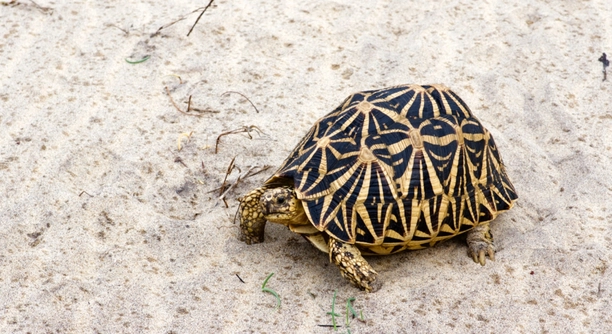
Indian Star Tortoises are known for their curious and active nature. If you’ve noticed your tortoise climbing on objects, it’s a behavior that can be linked to several natural instincts and environmental factors.
Indian Star Tortoises climb on objects due to their innate curiosity and desire to explore their surroundings. In the wild, they often climb rocks or logs as part of their natural behavior. Providing suitable climbing opportunities can promote mental and physical well-being.
This behavior is more than just a fun quirk; it can be a sign of your tortoise’s need for mental stimulation and enrichment. Understanding this will help ensure a healthier environment for your tortoise.
Reasons for Climbing Behavior
Your Indian Star Tortoise’s climbing behavior may stem from its natural instincts. In the wild, these tortoises often encounter obstacles like rocks and logs, which they climb to explore their environment. When kept as pets, they retain this instinct. Climbing can also be a way for your tortoise to escape areas it finds confining or uninteresting. They are constantly looking for ways to explore and expand their habitat. If the enclosure lacks sufficient environmental enrichment, your tortoise might resort to climbing to satisfy its curiosity.
Providing ample space and climbing structures can help meet your tortoise’s natural needs. Adding things like rocks, logs, or safe ramps allows them to express this behavior without causing stress. Also, ensuring that your tortoise has a safe and varied environment encourages physical activity, which is beneficial for its health.
In the wild, climbing serves as a means of gaining a better vantage point to detect predators or find food. Replicating this kind of environment at home gives your tortoise a more fulfilling and enriching life. It’s important to remember that climbing is not a sign of distress but part of your tortoise’s normal behavior.
Creating an Enriching Habitat
A proper habitat can reduce excessive climbing. Adding items such as large, sturdy rocks or logs can help.
Creating a balanced environment ensures that your Indian Star Tortoise stays active and engaged. Make sure the space is not overcrowded but has enough room for exploration. The right setup will encourage climbing in a healthy way, providing enrichment and stimulation for your tortoise. If your tortoise is given plenty of space and objects to climb on, its climbing behavior may become more purposeful and less about boredom.
Climbing and Exploration
Climbing can also be a form of exploration. Indian Star Tortoises are naturally curious creatures, and in their habitat, they often climb to explore their surroundings.
Climbing allows them to test the boundaries of their environment. When they scale objects, they may be seeking new spaces or exploring their territory. It’s a sign of a healthy, active tortoise. If your tortoise is climbing often, it’s likely looking for different vantage points. Giving it a variety of textures and surfaces to climb can keep it engaged and mentally stimulated.
Providing different surfaces for climbing, such as ramps, logs, or safe rocks, encourages this natural exploration. The more varied the landscape, the more your tortoise will be inclined to engage with it, promoting a sense of security and enrichment.
Ensuring Safe Climbing
Make sure that the objects your tortoise climbs on are secure and safe. If an object moves or is too high, your tortoise could fall, leading to potential injuries.
Safety is crucial when allowing your tortoise to climb. You want to ensure that nothing it can climb on is too unstable or positioned too high. A stable structure will prevent unnecessary risks, and a variety of heights can simulate a more natural environment. If possible, use ramps that provide gentle slopes, which are easier and safer for climbing.
Additionally, providing a solid substrate or surface below can prevent injury if your tortoise does slip. Keeping objects stable and positioned at appropriate heights will support the climbing behavior while protecting your pet.
Natural Instincts
Climbing helps your tortoise fulfill its natural instincts. It mimics the environment they would encounter in the wild, where they climb over rocks or logs. This activity is essential for their physical and mental health.
When your tortoise climbs, it’s engaging in behaviors that mimic what it would do in the wild. This type of activity allows them to express curiosity and improve their motor skills. It’s not a sign of distress, but rather a reflection of their need for stimulation and a more enriching environment. Giving your tortoise the space to climb can help meet these natural instincts.
Temperature and Climbing
If the temperature in the enclosure is too high or too low, it may affect your tortoise’s climbing behavior. Ensure proper heat gradients.
Maintaining a consistent temperature is vital for your tortoise’s health. An environment that’s too hot can make your tortoise seek cooler spots by climbing. On the other hand, a low temperature can cause sluggishness. By ensuring the habitat has both warm and cool areas, your tortoise will feel more comfortable. A heat source, like a basking lamp, will also encourage your tortoise to move around more.
FAQ
Why does my Indian Star Tortoise climb on objects?
Climbing is a natural behavior for Indian Star Tortoises. They are curious creatures, and in the wild, they climb rocks, logs, and other objects to explore their surroundings. In captivity, they may climb due to boredom, seeking higher ground, or simply trying to satisfy their instinctual need for exploration. Providing them with safe objects to climb can help keep them mentally and physically stimulated.
Is climbing harmful to my tortoise?
Climbing itself is not harmful, but it can become a risk if the objects are not secure or too high. Tortoises are slow-moving creatures, and if they climb something unstable or too tall, they could fall and injure themselves. To ensure safety, avoid placing objects that are too high or that could tip over easily.
How can I prevent my tortoise from climbing?
If climbing becomes problematic, you can reduce the temptation by offering more enriching activities. Providing a larger space with objects like hides, tunnels, and climbing structures can give your tortoise more to explore. Reducing stress in their environment and ensuring the enclosure is suitable for their needs can help curb excessive climbing.
Should I provide climbing structures for my tortoise?
Yes, providing climbing structures is a great way to allow your tortoise to express natural behaviors in a safe way. Rocks, logs, or ramps that are securely placed in the enclosure can help fulfill your tortoise’s need for exploration. However, make sure these structures are stable and low enough to prevent falls.
How high should climbing structures be for my tortoise?
Climbing structures should be low to medium in height, generally no more than a few inches to a foot above the ground. The goal is to offer a safe, enriching environment without the risk of falls. Ensure the objects are stable and will not topple over when your tortoise climbs them.
Can climbing help my tortoise’s health?
Climbing can be beneficial for your tortoise’s physical and mental health. It encourages exercise and exploration, which can help improve muscle strength and flexibility. Additionally, providing climbing structures can help alleviate boredom and reduce stress, leading to a more active and happier tortoise.
What type of climbing objects are best for my tortoise?
The best climbing objects are natural materials like rocks, logs, and ramps. These can be easily placed in the enclosure to simulate the tortoise’s natural environment. Make sure the objects are smooth, free of sharp edges, and stable enough to support your tortoise’s weight. Avoid plastic items that may be slippery or unstable.
How can I make sure my tortoise’s habitat is safe for climbing?
To make the habitat safe, place climbing structures on a stable surface and ensure they won’t tip over. Avoid objects that are too high or narrow, as they may pose a risk of falling. Additionally, create a soft surface below, such as a bedding that can cushion any potential falls. Regularly inspect the climbing structures to ensure they remain safe for your tortoise.
Is it normal for my tortoise to climb more during certain seasons?
Yes, tortoises may exhibit different behaviors depending on the season. During warmer months, they may be more active and inclined to climb, while in cooler months, they may become less active. Providing a consistent environment with proper temperature gradients can help regulate activity levels.
Should I worry if my tortoise climbs all the time?
If your tortoise is climbing frequently, it could be a sign that it’s not getting enough mental or physical stimulation. Try adding more objects to its environment, like hiding spots or new climbing structures. If the behavior becomes excessive or disruptive, consider adjusting the habitat or seeking advice from a vet.
Can climbing cause my tortoise to get stressed?
Climbing itself isn’t typically a cause of stress, but if the environment is too small, cluttered, or uncomfortable, your tortoise might climb out of frustration. Ensuring the habitat is spacious, secure, and filled with appropriate climbing opportunities can reduce the likelihood of stress-related climbing.
How can I tell if my tortoise is climbing out of stress?
If your tortoise is climbing as a result of stress, you may notice other signs such as pacing, excessive hiding, or aggression. These behaviors, in combination with frequent climbing, may suggest your tortoise is feeling uncomfortable in its environment. Providing a balanced habitat with ample space and appropriate temperature can help reduce stress.
Do I need to worry if my tortoise climbs at night?
Climbing at night is not uncommon for tortoises. They may be more active during certain hours, especially if the environment is cool and calm. As long as the structures are safe and your tortoise is not showing signs of distress, nighttime climbing is typically not a concern.
What should I do if my tortoise falls while climbing?
If your tortoise falls while climbing, check it for signs of injury, such as limping or changes in behavior. If there are no signs of injury, allow it to rest and observe it for any unusual symptoms. If your tortoise appears injured or distressed, it’s best to consult a veterinarian.
Final Thoughts
Understanding why your Indian Star Tortoise climbs on objects can help you create a safer and more enriching environment for it. Climbing is a natural behavior that allows tortoises to express curiosity and engage in physical activities that mirror their instincts in the wild. While this behavior is usually harmless, ensuring that your tortoise’s climbing opportunities are safe is essential for its well-being.
Providing climbing structures like logs, rocks, or ramps in your tortoise’s habitat can satisfy its need for exploration. However, it’s important to make sure these structures are stable and not too high to prevent falls. Creating a varied and stimulating environment will help reduce stress and prevent boredom, making your tortoise more comfortable in its home. It’s also important to maintain the correct temperature and humidity levels, as these factors can influence your tortoise’s activity levels.
By keeping an eye on your tortoise’s climbing habits and making adjustments to its environment when necessary, you can help it stay active and healthy. If climbing becomes excessive or leads to injuries, reassessing the setup or seeking advice from a veterinarian may be necessary. Overall, providing a safe, stimulating space for your Indian Star Tortoise will allow it to thrive and express natural behaviors in a secure way.

Hello,
If you enjoy the content that we create, please consider saying a "Thank You!" by leaving a tip.
Every little bit helps us continue crafting quality advice that supports the health, happiness, and well-being of pets around the world, for pets of all shapes, sizes, and species.
We really appreciate the kindness and support that you show us!