
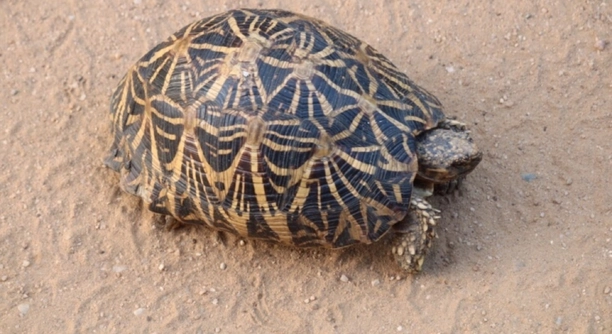
An Indian Star Tortoise is a wonderful companion, but when it stops eating, it can be a bit concerning. Appetite loss can be triggered by many factors, and understanding the causes is essential to ensure its well-being.
The main reasons for appetite loss in an Indian Star Tortoise may include improper habitat conditions, stress, illness, or an unbalanced diet. Environmental factors like temperature and humidity play a significant role in their feeding behavior, so proper care is essential.
Proper care and understanding of what’s happening with your tortoise will help in getting them back to eating normally. It’s important to recognize these signs early to address any concerns.
Common Causes of Appetite Loss in Indian Star Tortoises
When an Indian Star Tortoise stops eating, several factors could be at play. One of the most common causes is improper environmental conditions. These tortoises require specific temperature and humidity levels to thrive. If their enclosure is too cold or too dry, it can lead to stress, affecting their appetite. Temperature fluctuations or inadequate lighting can also make your tortoise feel uncomfortable, causing it to refuse food. Additionally, any change in their environment, such as moving to a new space or introducing a new pet, can lead to a decrease in eating.
Stress can significantly impact a tortoise’s feeding habits. The anxiety caused by changes in their environment or routine can make them hesitant to eat. A sudden change in food types can also contribute to appetite loss. If your tortoise is stressed, it’s important to create a stable, quiet environment for them to feel secure and comfortable. Reducing stress will encourage a more normal feeding pattern.
A poor diet or lack of variety may also play a role in appetite loss. Indian Star Tortoises are herbivores and need a balanced diet to stay healthy. If they are fed the same food repeatedly or an imbalanced diet, they may lose interest in eating. Introducing a variety of leafy greens, grasses, and flowers will encourage them to eat more consistently. Providing appropriate calcium and vitamin supplements is also necessary for maintaining their overall health.
Illness and Health Concerns
Health issues can also contribute to a tortoise’s lack of appetite. If your tortoise is unwell, it may refuse food as a way of signaling that something is wrong. Respiratory infections, parasites, or internal injuries can cause discomfort and lead to appetite loss. It’s essential to monitor your tortoise for any signs of illness, such as lethargy, nasal discharge, or swollen eyes.
If you notice any of these symptoms, it’s crucial to seek veterinary care immediately. A veterinarian can help identify the underlying issue and provide the necessary treatment. In the meantime, ensure your tortoise’s environment is optimal, with the right temperature and humidity levels. Providing fresh food and water regularly will also help support their recovery. By addressing health concerns promptly, you can get your tortoise back to eating and feeling better soon.
How to Encourage Your Tortoise to Eat Again
To help your tortoise regain its appetite, consider adjusting its environment first. Ensure the enclosure is the right temperature and humidity. A basking spot should be around 90°F (32°C), while the cooler end should be around 75°F (24°C). Ensure proper UVB lighting is available to help them metabolize calcium and maintain health.
Next, offer a variety of fresh foods. Try different leafy greens like dandelion greens, collard greens, and kale. Adding flowers such as hibiscus or dandelion flowers can stimulate their interest in food. Avoid offering too many high-oxalate foods like spinach, which can interfere with calcium absorption. If the tortoise is still reluctant to eat, a brief period of fasting may be helpful. However, always consult a veterinarian if the lack of appetite persists for more than a few days.
Additionally, reduce any stressors that might be affecting your tortoise. A quiet, safe environment is essential for their well-being. Tortoises are sensitive creatures, and even minor changes in their surroundings can impact their behavior. Make sure the enclosure is in a quiet area, free from loud noises and other disturbances. Keeping a consistent feeding routine will also help your tortoise feel secure.
Diet and Feeding Habits of Indian Star Tortoises
An unbalanced diet can lead to appetite loss. Indian Star Tortoises thrive on a variety of leafy greens, grasses, and flowers. If they’re fed the same food repeatedly, they may lose interest. A lack of calcium and vitamin D3 can also impact their health, leading to a decrease in appetite.
Feeding them the right variety of food can make a significant difference in their overall health. Fresh foods like dandelion greens, clover, and grasses should make up the majority of their diet. Supplementing with high-quality calcium powder and ensuring they have access to UVB lighting for vitamin D synthesis is essential. Without these, your tortoise may not have the energy or motivation to eat.
If you’re unsure whether your tortoise’s diet is well-balanced, it’s a good idea to consult a veterinarian. They can provide recommendations for improving your tortoise’s diet. You might also want to try introducing new types of food or even offering food in different ways to encourage eating.
Temperature and Environmental Factors
The temperature of your tortoise’s environment plays a vital role in its appetite. If the temperature drops too low or is too high, your tortoise may stop eating. They need a basking spot around 90°F (32°C) and a cooler area around 75°F (24°C) to stay comfortable.
It’s crucial to maintain a steady temperature in their habitat. Any drastic changes in temperature can cause stress, leading to a lack of appetite. Additionally, if their enclosure is too humid or dry, it can negatively impact their well-being. Humidity levels should stay between 50%-70% to help with proper digestion and skin health.
Investing in a quality thermometer and hygrometer will help you keep track of temperature and humidity levels. If you notice fluctuations, consider adjusting the heating and lighting system. This will ensure that your tortoise is always in a comfortable environment, promoting healthy eating habits.
Stress and Anxiety in Indian Star Tortoises
Stress can make your tortoise stop eating. Factors like loud noises, unfamiliar environments, or the presence of other pets can contribute to anxiety. It’s important to maintain a calm and stable environment for your tortoise to help prevent stress-related appetite loss.
You can minimize stress by keeping their enclosure in a quiet, safe area. Avoid placing the tortoise in a high-traffic location or where there are sudden, loud sounds. If you’re introducing a new pet or making changes in the environment, give your tortoise some time to adjust. A stable environment will reduce stress and encourage eating.
Health Concerns and Illness
If your tortoise has underlying health issues, it may refuse to eat. Conditions like respiratory infections, parasites, or even minor injuries can make them feel unwell, leading to a decrease in appetite. If you notice symptoms like lethargy or swollen eyes, seek veterinary help immediately.
A proper diagnosis from a veterinarian is crucial for treating any health concerns. They can recommend the right medications or treatments based on your tortoise’s specific condition. In the meantime, maintain a stable and comfortable environment for them, ensuring they have access to fresh food and clean water. Timely intervention will help your tortoise recover faster.
Overfeeding and Lack of Exercise
Overfeeding can be another factor contributing to appetite loss. If your tortoise is constantly fed or given too much food, it can lead to obesity and a loss of interest in eating. It’s important to give them the right amount of food and encourage exercise.
Tortoises naturally enjoy foraging for their food, and giving them enough space to roam around promotes both physical and mental stimulation. Regular exercise also aids digestion and keeps them active. Offer food in smaller amounts and spread it out over the day, rather than giving it all at once.
FAQ
What should I do if my Indian Star Tortoise stops eating?
If your tortoise stops eating, first check the temperature and humidity levels in its enclosure. Ensure they’re in the proper range to avoid stress. If the environment is correct, assess for other possible causes like stress or illness. A visit to the vet is advised if the lack of appetite persists for more than a few days.
Can a sudden change in environment cause appetite loss?
Yes, tortoises are sensitive to changes in their surroundings. Moving to a new space, adding new pets, or even redecorating their enclosure can cause stress, leading to appetite loss. Try to maintain a stable, quiet environment to reduce stress and make your tortoise feel secure again.
How can I tell if my tortoise is sick?
Signs that your tortoise may be ill include lethargy, swollen eyes, nasal discharge, or difficulty breathing. If you notice any of these symptoms, it’s essential to visit a veterinarian. Illness can cause appetite loss, and prompt treatment can help your tortoise recover faster.
Is it normal for my tortoise to fast for a short period?
Yes, tortoises can naturally fast for a short time, especially in colder weather. However, if the fasting lasts longer than a few days or is accompanied by other symptoms, it’s important to investigate potential causes like environmental issues or health concerns.
Can I force my tortoise to eat?
It’s not advisable to force-feed your tortoise, as this can cause stress and harm. Instead, focus on creating an ideal environment, offering a variety of fresh foods, and reducing any possible stressors. If the issue persists, consult a veterinarian for guidance.
What are the best foods to offer if my tortoise isn’t eating?
If your tortoise isn’t eating, try offering a variety of leafy greens such as dandelion, clover, or collard greens. You can also try offering flowers like hibiscus or dandelions. These foods are often more appealing and can stimulate interest in eating.
Can temperature changes affect my tortoise’s appetite?
Yes, temperature fluctuations can greatly affect your tortoise’s eating habits. A basking spot that’s too cold or too hot can cause stress, leading to appetite loss. Make sure the enclosure’s temperature is properly regulated, with a basking area around 90°F (32°C) and a cooler area around 75°F (24°C).
How do I prevent my tortoise from getting too stressed?
To prevent stress, keep your tortoise’s enclosure in a quiet, low-traffic area away from loud noises and disturbances. Avoid making sudden changes to its environment, and introduce new pets or objects gradually. Consistency is key to keeping your tortoise comfortable and reducing anxiety.
Is it okay to feed my tortoise the same food every day?
Feeding your tortoise the same food daily isn’t ideal. While they may tolerate it for a time, a lack of variety can lead to disinterest in food. Offer a mix of leafy greens, flowers, and grasses, and try rotating the types of food to maintain their interest and provide balanced nutrition.
How often should I feed my tortoise?
Indian Star Tortoises should generally be fed every other day, with portions based on their size and age. Hatchlings and juveniles may need to be fed daily, while adults can go without food for a day between meals. Always make sure the food is fresh and free from pesticides.
Can illness cause my tortoise to eat less?
Yes, if your tortoise is sick, it may eat less or stop eating altogether. Respiratory infections, digestive issues, and parasites are common health problems that affect appetite. If you notice symptoms like discharge, swelling, or lethargy, it’s time to consult a vet to address any potential health concerns.
How can I help my tortoise regain its appetite?
Make sure the environment is ideal, with proper temperature, humidity, and UVB lighting. Introduce a variety of fresh, nutrient-rich foods, and minimize stress by creating a quiet and stable living space. If the issue persists, consult a veterinarian to rule out any underlying health problems.
What if my tortoise is eating less but still active?
If your tortoise is still active but eating less, it could simply be going through a natural fasting period or dealing with mild environmental changes. However, if the reduced appetite continues for more than a week or is paired with other symptoms, a vet visit is recommended to rule out illness or other issues.
Can a lack of UVB light affect my tortoise’s appetite?
Yes, UVB light is essential for tortoises to metabolize calcium and maintain healthy bones. A lack of UVB lighting can lead to metabolic bone disease, which can cause a loss of appetite. Ensure your tortoise’s enclosure has a proper UVB light source, and replace the bulb regularly to provide consistent exposure.
How can I reduce the risk of my tortoise getting parasites?
To reduce the risk of parasites, ensure your tortoise’s enclosure is kept clean and free from waste. Avoid feeding wild-caught plants, as they can carry parasites. Regularly check your tortoise for signs of parasites, such as lethargy, poor shell condition, or diarrhea, and consult a veterinarian for deworming if necessary.
What should I do if my tortoise is losing weight?
If your tortoise is losing weight, it could be a sign of an underlying issue like a poor diet, parasites, or illness. Ensure the diet is well-balanced with fresh, varied foods. If the weight loss continues, visit a veterinarian to determine the cause and seek appropriate treatment.
Final Thoughts
In conclusion, if your Indian Star Tortoise is losing its appetite, several factors could be contributing to the issue. It’s essential to assess the environment first, ensuring that temperature, humidity, and lighting are all in the ideal range. A well-balanced diet is crucial, as any changes in the food you provide could also affect their eating habits. Keep in mind that tortoises are sensitive creatures, and even small changes in their surroundings or routine can impact their behavior, including eating. Paying attention to these details can help prevent appetite loss from becoming a serious issue.
If environmental factors don’t seem to be the problem, consider the possibility of health concerns. Illnesses such as respiratory infections, digestive issues, or parasites can often cause a decrease in appetite. In these cases, it’s crucial to seek help from a veterinarian who specializes in reptiles. They will be able to provide a thorough diagnosis and offer treatment options to get your tortoise back to normal. Ignoring these signs can lead to further complications and worsen the condition, so it’s important to act promptly.
Lastly, while a loss of appetite may cause some worry, it is not always a reason to panic. Tortoises, like all animals, have their own individual behaviors and patterns. Sometimes, they might simply be stressed or adjusting to a new environment, and their appetite can return once they settle. However, if the problem persists for several days, it’s always best to reach out to a vet to ensure there’s no underlying health issue. With the right care, attention, and timely action, your tortoise can regain its appetite and continue to live a healthy and happy life.

Hello,
If you enjoy the content that we create, please consider saying a "Thank You!" by leaving a tip.
Every little bit helps us continue crafting quality advice that supports the health, happiness, and well-being of pets around the world, for pets of all shapes, sizes, and species.
We really appreciate the kindness and support that you show us!