
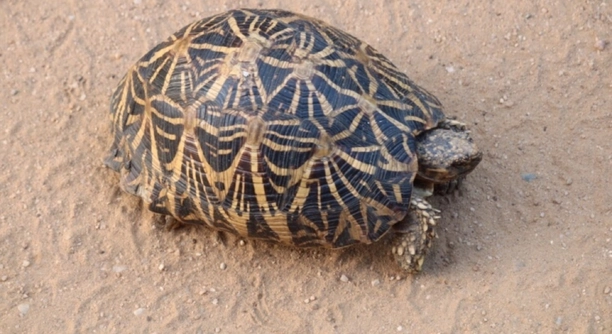
When setting up an outdoor enclosure for your Indian Star Tortoise, safety should always come first. Proper precautions ensure your tortoise stays secure and comfortable. Knowing the best practices can make a big difference in their well-being.
Ensuring the safety of an outdoor enclosure for your Indian Star Tortoise requires selecting secure fencing, avoiding toxic plants, monitoring temperature and humidity, and ensuring protection from predators. Regular checks for hazards like sharp objects are also crucial.
With these tips, you can create a safe and comfortable outdoor environment for your tortoise. Keep reading to discover the most effective ways to safeguard their space.
Secure Fencing and Enclosure Design
One of the most important steps in creating a safe outdoor enclosure for your Indian Star Tortoise is securing the fencing. The enclosure should be sturdy enough to prevent escapes and protect your tortoise from predators. Use strong materials like metal or durable plastic that cannot be easily bent or broken. The height of the fence should be adequate, around 2 feet, to stop the tortoise from climbing out. Additionally, ensure the bottom of the enclosure is secure to prevent digging. A buried barrier or thick base will stop your tortoise from escaping by burrowing.
While fencing is crucial, the design of the enclosure also plays a role in your tortoise’s safety. A well-designed enclosure allows your tortoise to roam freely while keeping them safe from dangers. Consider adding shaded areas for heat protection and keeping sharp objects out of reach. A simple design is often best to avoid accidental injuries.
Your tortoise will feel more secure with proper fencing and design. Ensuring the space is comfortable and protected will promote their well-being. Make sure to double-check your enclosure periodically for wear and tear.
Avoid Toxic Plants
Certain plants are harmful to tortoises, so it’s important to ensure the enclosure is free from them. Some common toxic plants to avoid include oleander, daffodils, and ivy.
Carefully inspect the plants in and around your tortoise’s space to ensure safety. Many plants that grow naturally may look inviting to your tortoise, but they can be poisonous if eaten. Stick to safe, tortoise-friendly options like dandelions, hibiscus, and clover. These are not only safe but will also provide your tortoise with additional food sources.
Temperature and Humidity Control
Temperature and humidity are key to the health of your Indian Star Tortoise. A consistent environment will keep them comfortable and safe. The ideal temperature range is between 80°F to 95°F during the day, with a nighttime drop of around 70°F. Keep humidity levels between 50% to 70% to mimic their natural habitat.
Providing a controlled environment requires monitoring regularly. Use a thermometer and hygrometer to check the conditions inside the enclosure. If the outdoor weather fluctuates, you might need a heating lamp or a humidifier to maintain proper conditions. Keep a close eye on the tortoise to ensure they’re not becoming stressed by temperature changes.
Ensure that the enclosure has areas where your tortoise can bask in warmth and also cool down when needed. This gives them options to regulate their body temperature. Making sure the humidity is consistent will also help prevent respiratory issues.
Protection from Predators
Your Indian Star Tortoise can be vulnerable to predators, so securing the enclosure against outside threats is vital. Potential predators include birds of prey, raccoons, and domestic animals. Using a fine mesh or solid material for the top of the enclosure helps deter any overhead threats.
It’s also important to create a barrier against ground-level predators. Use reinforced fencing that’s too tall for raccoons or dogs to climb over. You can also bury the bottom of the fencing to prevent digging. Check for any gaps or weaknesses where predators could sneak through, especially after storms or temperature changes.
Maintaining the safety of the tortoise means staying vigilant. Inspect the enclosure regularly for any signs of damage or entry points. A secure environment is essential for your tortoise’s protection, allowing them to feel safe and comfortable.
Regular Checkups for Hazards
Regularly inspect the enclosure for any hazards that could pose a risk to your tortoise. Look for sharp edges, exposed wires, or broken parts that could lead to injury. A quick check once a week ensures a safe environment for your tortoise.
Also, check for any small openings or gaps in the fencing that your tortoise might slip through. It’s important to stay proactive and address any damage immediately. Make sure the structure is stable and secure, so nothing can fall or shift out of place. These steps help maintain a safe space for your tortoise.
Providing Shade and Shelter
Tortoises need shaded areas to avoid overheating. Providing shelter ensures they have a place to cool down during hot days. Consider a simple hide or shaded area under plants or a structure.
Make sure the shaded area is large enough to comfortably fit your tortoise. It should also provide some protection from rain or wind. Use materials that don’t trap heat, such as wood or breathable fabric. By offering both sun and shade, you allow your tortoise to regulate their body temperature effectively.
Safe Outdoor Flooring
Choosing the right flooring for your tortoise’s enclosure is essential. Use soft, natural materials like soil, sand, or grass to avoid injuries. Avoid sharp or rocky surfaces that could cause harm.
The flooring should be easy to clean, while still offering comfort and safety for your tortoise. Make sure it provides proper drainage to avoid water buildup. Having a mix of materials, like grass for grazing and soil for digging, will give your tortoise a more natural and enjoyable habitat.
FAQ
What should I feed my Indian Star Tortoise in an outdoor enclosure?
Your Indian Star Tortoise needs a varied diet that includes leafy greens like dandelions, clover, and kale. You can also offer some flowers such as hibiscus or pansies. Avoid feeding them high-protein foods like meat or dairy, as this can cause health issues. Provide a source of calcium, like cuttlebone, to help maintain strong bones and shells.
Can I leave my Indian Star Tortoise outside all year?
No, your tortoise cannot stay outside year-round in most climates. They need warmth during the day but require a safe, temperature-controlled environment during cold weather. If you live in a colder climate, bring them inside when temperatures drop below 60°F. Tortoises are cold-blooded and can become lethargic or sick if exposed to prolonged cold.
How often should I clean the enclosure?
It’s important to clean your tortoise’s outdoor enclosure at least once a week. Remove any uneaten food and waste daily to prevent bacteria buildup. Once a week, disinfect the enclosure, especially the areas where they eat and drink. Regular cleaning helps maintain hygiene and reduces the risk of infections.
Do I need to worry about predators?
Yes, predators like raccoons, dogs, and birds of prey can pose a threat to your tortoise. Ensure your enclosure is securely fenced with no gaps or weak spots. Use a top cover to protect against overhead predators. Check your enclosure regularly to ensure there are no signs of attempted entry.
How can I prevent my tortoise from escaping?
To prevent escapes, make sure the bottom of the fencing is either buried or anchored deep enough that your tortoise can’t dig under it. The fence should also be tall enough (at least 2 feet) to prevent climbing. Check for any small gaps where your tortoise could squeeze through, and ensure they are sealed.
Is it necessary to provide a basking area for my tortoise?
Yes, a basking area is essential. Tortoises need warmth to regulate their body temperature. Provide a spot where they can bask in direct sunlight, ideally with a flat surface that holds heat. Ensure that they also have access to cooler areas to regulate their temperature when needed.
How do I maintain proper humidity in the enclosure?
Humidity is crucial for your tortoise’s health. To maintain proper levels, mist the enclosure with water regularly. You can also place a shallow water dish in the enclosure that your tortoise can drink from. Adding plants that help retain moisture can also increase humidity levels naturally.
What kind of fencing is best for a tortoise enclosure?
Use a sturdy material like metal or plastic mesh with small gaps that your tortoise cannot slip through. The fencing should be tall enough to prevent your tortoise from climbing and strong enough to withstand any pressure from predators or curious animals. Avoid using wood fencing that can rot over time.
How much space does my tortoise need in the enclosure?
The enclosure should be large enough for your tortoise to move around freely, with plenty of room for basking, grazing, and exploring. For an adult Indian Star Tortoise, aim for at least 6-8 square feet of space. Larger enclosures are always better as they allow more natural movement.
Can I use artificial turf in the enclosure?
It’s best to avoid using artificial turf, as it can trap heat and irritate your tortoise’s skin. Instead, opt for natural materials like grass or soil. These materials mimic their natural environment and provide better comfort. Artificial turf can also become slippery when wet, which may cause accidents.
How do I know if my tortoise is stressed in its outdoor enclosure?
Signs of stress in tortoises include a lack of appetite, hiding excessively, or pacing in the enclosure. Stress can be caused by environmental factors such as temperature extremes, loud noises, or a cramped enclosure. Observe your tortoise’s behavior closely, and make adjustments as needed to ensure they feel safe and comfortable.
Can I leave my tortoise in the enclosure overnight?
Yes, you can leave your tortoise in the outdoor enclosure overnight, provided it is secure and free from predators. Make sure the enclosure is properly covered, and your tortoise has access to shelter. Avoid leaving them outside in extremely cold or wet conditions, as they can become sick if exposed for too long.
Do Indian Star Tortoises need special care in the summer?
In the summer, ensure that your tortoise has access to shade to avoid overheating. Overexposure to the sun can cause dehydration or heat stress. Provide fresh drinking water daily, and make sure your tortoise can retreat to a cooler, shaded area whenever needed. Regularly check the temperature in the enclosure to keep it within a safe range.
Can I introduce other animals into the tortoise’s enclosure?
It’s best to keep your Indian Star Tortoise in a solo enclosure. Introducing other animals, including other species of tortoises, can cause stress or lead to fights. Additionally, different species may carry diseases that could harm your tortoise. Always prioritize your tortoise’s safety and comfort by keeping them in their own space.
How do I keep my tortoise hydrated in the enclosure?
Provide a shallow water dish that your tortoise can easily access. Make sure the water is fresh and clean, and change it daily. You can also mist the enclosure occasionally to help maintain humidity levels. Hydration is important for digestion and overall health, especially in warm weather.
Final Thoughts
Creating a safe and comfortable outdoor enclosure for your Indian Star Tortoise requires careful planning. It’s essential to provide a secure space that protects your tortoise from predators and weather extremes. Make sure the enclosure is large enough for them to move freely and includes both sunny and shaded areas for basking and cooling off. Regular cleaning and monitoring of the temperature and humidity levels are important to maintain a healthy environment.
In addition to providing a suitable habitat, it’s crucial to meet your tortoise’s dietary needs. Offering a variety of greens, flowers, and calcium supplements helps keep them healthy and active. Avoid feeding them foods that could cause harm, like dairy or high-protein items. Water should always be available, and keeping the enclosure clean will reduce the risk of bacteria buildup, which could lead to health issues.
By investing time and effort into their outdoor enclosure, your Indian Star Tortoise will have a much higher quality of life. They’ll enjoy a more natural environment, and you’ll enjoy watching them thrive in their safe, spacious home. Proper care and attention will go a long way in ensuring your tortoise stays healthy and happy for years to come.

Hello,
If you enjoy the content that we create, please consider saying a "Thank You!" by leaving a tip.
Every little bit helps us continue crafting quality advice that supports the health, happiness, and well-being of pets around the world, for pets of all shapes, sizes, and species.
We really appreciate the kindness and support that you show us!