
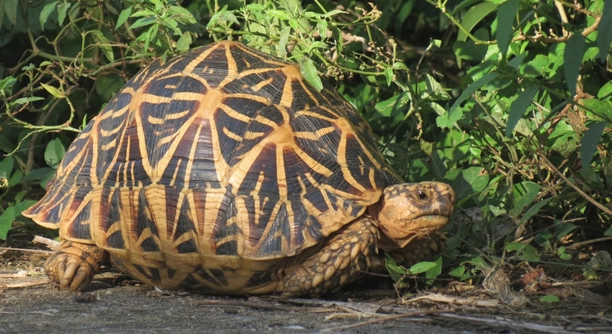
Indian star tortoises are known for their curious nature and love of exploring their surroundings. While they are relatively small, their escape attempts can be quite frustrating for owners. Ensuring they stay within their enclosures is important for their safety.
To prevent Indian star tortoises from escaping their enclosure, ensure the enclosure is secure and escape-proof. Use high walls, burrow-resistant materials, and check for any gaps or weak points where they may squeeze through. Regular monitoring is key.
With the right setup, you can create a safe and secure environment for your tortoise.
Choosing the Right Enclosure for Your Indian Star Tortoise
A secure enclosure is essential for keeping your Indian star tortoise safe. Opt for an enclosure with solid walls and a secure lid, ideally made of sturdy materials like wood, metal, or thick plastic. These materials help ensure that the tortoise won’t easily climb or dig out. The size of the enclosure should be adequate to allow your tortoise enough space to roam, but still contained. It’s also important to choose one with proper ventilation to avoid overheating. Regularly inspect the enclosure for any weak spots, including gaps where your tortoise might escape. Even small openings should be sealed, as tortoises are good at squeezing through tight spaces.
Once the right enclosure is chosen, be sure to add features that keep your tortoise engaged and active. Hide food in different areas, create varied terrain with rocks, and provide shelters where they can rest. These small adjustments can prevent boredom and reduce the desire to escape.
Keeping your enclosure clean is just as important. Make sure to remove waste regularly and disinfect the area to avoid any health issues that might cause stress or discomfort to your tortoise.
Reinforcing the Bottom of the Enclosure
The bottom of your tortoise’s enclosure requires attention as well. Tortoises are known to dig, and some species, like the Indian star tortoise, can be persistent in their attempts. Consider adding a thick layer of substrate, such as soil or sand, to prevent burrowing. Ensure the walls of the enclosure are deep enough to prevent your tortoise from digging under the edges. A good rule of thumb is to make sure the substrate layer is at least 4 to 6 inches deep to discourage digging. Regularly check the substrate for any signs of tunneling.
A deeper enclosure is not only essential for digging prevention but also provides more space for your tortoise to feel comfortable. Adding natural elements like plants and rocks can further discourage attempts to escape.
Securing the Lid of the Enclosure
A secure lid is essential to prevent your Indian star tortoise from climbing out. Use a tight-fitting, sturdy lid made from the same material as the walls. If the lid is mesh or wire, ensure the gaps are small enough to prevent your tortoise from escaping. A hinged lid with a secure latch is a great option for easy access while keeping the tortoise contained.
Be cautious of lids that are too light or flimsy. Tortoises are surprisingly strong and may push or knock over weaker lids. The lid should be securely fastened and not easily moved by your tortoise’s weight. Inspect it regularly to make sure it’s still in good condition.
Using Barriers to Prevent Climbing
In addition to securing the lid, it’s important to ensure the walls of the enclosure are tall enough to prevent climbing. Tortoises are natural climbers, and they may attempt to scale low walls. A barrier of at least 12-18 inches in height is ideal, depending on the size of your tortoise. Taller walls discourage climbing and reduce the risk of escape.
If you’re worried about your tortoise attempting to climb, consider adding a smooth barrier on top of the wall to prevent any climbing attempts. Tortoises have trouble scaling smooth surfaces, so this will help keep them contained. Regularly check that the walls remain intact and that no gaps have formed where your tortoise might squeeze through.
Ensuring Proper Temperature and Lighting
Maintaining the right temperature and lighting in your tortoise’s enclosure will keep them healthy and discourage escape attempts. Indian star tortoises prefer warm environments, so ensure the temperature stays between 80-90°F during the day. At night, temperatures can drop slightly. Use a heat lamp to maintain warmth and provide a UVB light for essential vitamin D synthesis.
The light should be on a timer, mimicking natural day-night cycles. This helps regulate your tortoise’s activity and resting patterns, making it less likely to roam excessively within the enclosure. Make sure the light source is secure to prevent accidental escapes.
Choosing the Right Substrate
The type of substrate you choose plays a role in your tortoise’s behavior. A loose substrate like soil, sand, or coconut fiber is best for a more natural environment. However, avoid materials that can be easily pushed aside, like pebbles, as this may create gaps in the enclosure. Make sure the substrate isn’t too deep, as it could encourage digging.
A thicker layer of substrate will help with humidity control and create a more comfortable environment for your tortoise. Keep it clean and replace it periodically to maintain a healthy habitat.
Regularly Inspecting the Enclosure
Regularly inspecting the enclosure is essential to ensure there are no weak spots or escape routes. Look for small cracks, gaps, or areas where the walls have become loose over time. Even small openings should be addressed immediately to prevent escapes.
Pay special attention to areas where the substrate has shifted, as this could expose hidden gaps. Ensuring that the enclosure is secure and free of potential weaknesses is an ongoing task that should not be overlooked.
FAQ
Why is my Indian star tortoise trying to escape?
Tortoises, especially the Indian star variety, can be natural wanderers. They are curious creatures by nature and may try to escape if they feel their environment is too small or lacking in stimulation. Providing a larger space with engaging features, like rocks or plants, can help. If they are trying to escape, it’s a sign they need more space or mental stimulation.
Can Indian star tortoises climb?
Yes, Indian star tortoises are surprisingly good climbers for their size. While they typically don’t climb high, they can scale walls or objects in their enclosure, especially if the walls are not high enough or have rough textures. Adding smooth surfaces to the top of the walls can help deter climbing.
How high should the walls of the enclosure be?
The walls of the enclosure should be at least 12-18 inches high, depending on the size of your tortoise. Taller walls are better for preventing climbing. The higher the walls, the less likely your tortoise will find a way to escape.
Do I need a lid on the enclosure?
Yes, a lid is essential to keep your tortoise from escaping. A solid, secure lid will ensure that they cannot climb out. Choose a lid that fits tightly and is sturdy enough to prevent your tortoise from pushing it off or lifting it.
How can I prevent my tortoise from digging under the enclosure?
To stop your tortoise from digging out, make sure the walls of the enclosure go deep into the substrate—at least 4 to 6 inches. You can also use heavier materials at the base of the walls, like rocks, to prevent digging. A deeper substrate will help discourage burrowing.
What temperature is best for my Indian star tortoise?
Indian star tortoises need a warm environment to thrive. During the day, the temperature should be between 80-90°F, with a nighttime drop to around 70°F. Use a heat lamp during the day to maintain warmth and a UVB light for proper digestion and shell health.
Can I use a wire mesh for the walls?
While wire mesh can be useful, it’s not always the best choice for the walls of an enclosure. Tortoises can sometimes push against mesh or squeeze through small gaps, especially if the wire isn’t tight. If you choose mesh, make sure the gaps are very small and regularly check for any weaknesses.
How do I keep my tortoise from escaping when I am away?
If you’re leaving your tortoise alone for a while, make sure the enclosure is extra secure. Double-check the lid, walls, and any potential weak spots. You may also consider installing a lock on the lid to prevent any accidental escapes. Be sure that food and water are easily accessible to them while you’re gone.
How often should I check the enclosure for weaknesses?
It’s important to inspect the enclosure at least once a week. Look for any signs of wear and tear, including gaps or loose walls. Substrate should be checked regularly for signs of shifting that could expose weaknesses. Early detection can help prevent any escapes or safety risks.
Is there a particular material I should use for the enclosure?
The best materials for an Indian star tortoise enclosure are strong, durable, and non-toxic. Wood, thick plastic, or metal are all great options. Avoid using materials that could break or deteriorate quickly, as this could lead to the tortoise finding a way out. Make sure the material is easy to clean and resistant to moisture.
What should I do if my tortoise escapes?
If your tortoise escapes, first search the immediate area around the enclosure. Check under nearby bushes, rocks, or structures. If you can’t find it, put up signs in the area, alert neighbors, and contact local animal shelters. It’s essential to have a secure, well-monitored enclosure in place moving forward to avoid this situation.
Can I use a plastic tub for my tortoise’s enclosure?
A plastic tub can be an acceptable temporary solution if it is large enough to give your tortoise room to move around. However, make sure it is high enough and that the lid is secure to prevent escapes. Plastic tubs are easier to clean but may not be as durable as wood or metal.
What do I need to include in the enclosure to make it comfortable for my tortoise?
The key features for a comfortable tortoise enclosure are proper lighting, temperature control, a secure lid, and enough space for the tortoise to roam. Add substrate for digging, rocks for climbing, and shelters for resting. The enclosure should mimic natural conditions as closely as possible to keep your tortoise healthy and happy.
How do I ensure proper humidity for my tortoise?
Indian star tortoises require moderate humidity levels—around 50-60%. Use a hygrometer to monitor the humidity and adjust it by misting the substrate or adding a shallow water dish. Avoid overly wet conditions, as too much moisture can cause shell rot or respiratory issues.
Final Thoughts
Preventing your Indian star tortoise from escaping requires attention to the details of their environment. The size of the enclosure, the material used for the walls, and the features you include inside all play a role in ensuring their safety. A tortoise that feels secure and comfortable is less likely to try to escape. Creating an environment that mimics their natural habitat will keep them content and discourage them from wandering outside their designated space.
Regular checks of the enclosure are crucial. Gaps, cracks, and areas where the walls are not secure can lead to escapes. These weak spots should be addressed immediately to avoid any issues. Additionally, checking the temperature and lighting regularly will help maintain a healthy habitat for your tortoise. It’s essential that the enclosure is both secure and comfortable, as tortoises can be sensitive to changes in their environment.
By ensuring the right setup, including secure walls, proper lighting, and temperature control, you will significantly reduce the risk of your tortoise trying to escape. Monitoring their behavior can also help you identify if they are feeling stressed or restricted. With these steps, you can keep your Indian star tortoise happy, healthy, and safe within their enclosure, offering them a space that supports their well-being.

Hello,
If you enjoy the content that we create, please consider saying a "Thank You!" by leaving a tip.
Every little bit helps us continue crafting quality advice that supports the health, happiness, and well-being of pets around the world, for pets of all shapes, sizes, and species.
We really appreciate the kindness and support that you show us!