
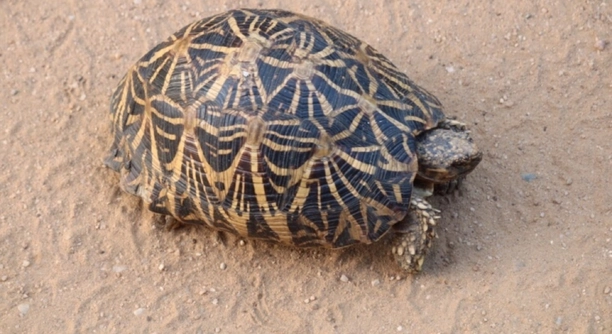
Indian star tortoises are fascinating creatures, but there are many misconceptions about their care and behavior. These myths can lead to confusion and mistakes when keeping them as pets. It’s important to set the record straight.
There are several common myths about Indian star tortoises that need to be debunked. Many people misunderstand their dietary needs, habitat preferences, and behavior. These myths can result in poor care, leading to health issues or improper treatment for these animals.
Understanding the facts will help you provide the best care for your tortoise. Knowing the truth behind these myths ensures a happier and healthier life for your pet. Let’s clear up these misconceptions once and for all!
Myth 1: Indian Star Tortoises Can Eat Anything
One of the biggest myths about Indian star tortoises is that they can eat anything. Many believe they can feed them all sorts of vegetables, fruits, or even processed foods without considering the nutritional balance. However, a tortoise’s diet must be carefully managed to ensure they receive the right nutrients. Their diet primarily consists of grasses, leafy greens, and flowers. Certain fruits and vegetables, like tomatoes or spinach, should only be given occasionally, as they can be too rich in oxalates or other compounds that are harmful in large quantities.
Overfeeding tortoises with fruits or high-protein foods can lead to kidney and liver issues. To keep them healthy, focus on offering a variety of safe plants, such as dandelion greens, clover, and hibiscus flowers. Make sure to avoid feeding them human food or any type of processed items, which can lead to serious health problems.
It’s essential to research and understand what’s safe to feed them. A balanced diet will help your tortoise live a long, healthy life, so take the time to properly care for them.
Myth 2: They Don’t Need a Lot of Space
Another myth is that Indian star tortoises don’t need much space to live. It’s easy to think that because they are small, they don’t require large enclosures. However, tortoises are active creatures and need space to roam, explore, and bask in the sun. A small cage or tank is not enough for their well-being. They should be housed in a spacious area with both indoor and outdoor space if possible.
An enclosure should be large enough to allow your tortoise to move around freely. A typical recommendation is at least 4×6 feet for one tortoise. The habitat should have room for areas to bask, hide, and dig. Without enough space, they may become stressed or exhibit behavioral issues. Outdoor enclosures should be secure, preventing them from escaping while offering a safe environment.
Providing adequate space for your Indian star tortoise is crucial to its overall health. They need room to exercise and behave naturally. Failing to provide this will not only limit their happiness but could also lead to physical problems, such as shell deformities or obesity.
Myth 3: Indian Star Tortoises Don’t Need UVB Light
Some people think that Indian star tortoises can live without UVB light, especially if they spend time outdoors. While it’s true that they need natural sunlight for proper health, they also require UVB lighting if kept indoors. UVB light is essential for synthesizing vitamin D3, which helps them absorb calcium. Without it, they could develop metabolic bone disease, leading to weak shells and bones. Even when outdoors, the amount of UVB exposure may not be consistent enough to meet their needs.
UVB lights should be used daily, for about 10 to 12 hours, and replaced regularly. Tortoises need proper light placement, so they can bask directly under the UVB bulb. You’ll need a bulb specifically designed for reptiles, as ordinary household lights won’t provide the right wavelength. If you have an outdoor enclosure, make sure they have access to direct sunlight for a few hours a day to support their health.
Proper UVB lighting is necessary for the proper growth and development of your Indian star tortoise. Without it, they can suffer from serious health issues. To maintain their well-being, invest in a good UVB light source and ensure they have access to adequate sunlight exposure.
Myth 4: Indian Star Tortoises Are Low Maintenance Pets
Many people think Indian star tortoises are low maintenance because they move slowly and spend much of their time resting. In reality, they require consistent care. This includes proper habitat setup, a balanced diet, regular cleaning of their enclosure, and attention to temperature and humidity. Unlike some other pets, tortoises can live for decades, so the commitment is long-term.
While they may not demand constant attention, their habitat must be carefully maintained. You will need to monitor their environment, ensuring the temperature stays between 85°F and 95°F during the day and cooler at night. Humidity levels also need to be kept consistent, especially if you’re keeping them indoors. You can achieve this with the help of a humidifier, proper substrate, or by misting the enclosure. If these conditions are not met, your tortoise could face health problems.
Indian star tortoises do best when given the right care, which can be time-consuming. Their well-being depends on a stable environment, regular feeding, and proper veterinary checkups.
Myth 5: Indian Star Tortoises Are Always Slow Movers
It’s easy to assume that Indian star tortoises are always slow, but they can actually move quite quickly when they need to. When they are motivated, especially during feeding time or when exploring their environment, they can pick up the pace.
Don’t be fooled by their slow movements when they’re just relaxing. Indian star tortoises have bursts of speed, particularly when they are searching for food or escaping danger. This natural behavior can sometimes surprise owners, who expect them to always move at a slow pace. Keeping their environment enriched will help encourage natural movement.
Myth 6: They Are Good Pets for Small Children
Indian star tortoises may seem like great pets for young children, but they are not the best choice for little ones. While they are calm, they need gentle handling and can become stressed by excessive interaction.
Children can sometimes accidentally handle tortoises too roughly, which may lead to injury or stress for the tortoise. It’s important to teach kids how to properly care for and handle these reptiles. When left alone, tortoises prefer a quiet and safe environment. A tortoise’s long lifespan also means that they require long-term care and commitment that children may not be ready to provide.
FAQ
How long do Indian Star Tortoises live?
Indian Star Tortoises can live a long time, often reaching 50 years or more in captivity with proper care. Some individuals have been known to live up to 100 years, although this is less common. Their lifespan can be influenced by factors like diet, environment, and overall health. Proper care, including a balanced diet, correct temperatures, and a well-maintained habitat, is essential for reaching their full potential lifespan. Regular vet check-ups also play a key role in keeping them healthy as they age.
What should I feed my Indian Star Tortoise?
The diet of an Indian Star Tortoise should primarily consist of high-fiber plants like grasses, leafy greens, and edible flowers. You can include dandelion greens, clover, and hibiscus in their diet. Vegetables like squash and carrots can also be offered in moderation. Fruits should only be given occasionally as treats, since they are high in sugar and can cause health problems if overfed. Avoid feeding them lettuce, as it doesn’t offer much nutritional value. It’s important to ensure that the food is free of pesticides and other chemicals.
How much space do Indian Star Tortoises need?
Indian Star Tortoises need a spacious enclosure to move around. A single tortoise should have at least 4×6 feet of space indoors. If you plan to house more than one, you’ll need to increase the space accordingly. Outdoor enclosures are ideal, but they must be secure and free from predators. It’s crucial to have a mix of basking areas, hiding spots, and places for digging. In smaller enclosures, they may not get enough exercise or environmental enrichment, leading to stress and health problems.
Can Indian Star Tortoises live together?
While Indian Star Tortoises can live together, it is essential to ensure enough space for each individual. They are not particularly social animals and can become territorial, especially if the enclosure is too small. In such cases, they may display aggressive behavior, such as head-bobbing or shell biting. It’s best to monitor them closely to ensure that none of the tortoises are being stressed or injured. If you are considering housing more than one tortoise, make sure that there is enough space and resources to avoid competition or aggression.
What temperature should I keep for an Indian Star Tortoise?
The temperature for an Indian Star Tortoise should be between 85°F and 95°F during the day. This range ensures they can properly digest food and maintain their activity levels. At night, temperatures should drop to around 70°F to mimic natural day-night cycles. It’s essential to have a heat source, such as a basking lamp, to create a warm spot within their enclosure. A thermometer is a must to ensure that temperatures are regulated correctly. Avoid placing the tortoise in areas that are too cold, as this can lead to health problems.
Do Indian Star Tortoises need humidity?
Yes, Indian Star Tortoises require some level of humidity to thrive, especially if they are kept indoors. The humidity should be kept between 50% and 70%, depending on the temperature and the tortoise’s age. Humidity helps them stay hydrated and promotes healthy skin and shell growth. Too little humidity can cause dehydration, while too much can lead to respiratory issues. You can achieve the right humidity by misting the enclosure or using a humidifier. Make sure that the substrate in the enclosure remains slightly damp but not soggy.
How often should I clean my tortoise’s enclosure?
Cleaning the tortoise’s enclosure is essential to maintain a healthy environment. Spot clean daily by removing any waste, uneaten food, and debris. This will help prevent the buildup of bacteria and other harmful substances. Once a week, do a more thorough cleaning of the enclosure, including washing the substrate and disinfecting all surfaces. Make sure to replace the bedding regularly to keep things fresh. If you notice any unpleasant odors or changes in behavior from your tortoise, it may be a sign that the enclosure needs more frequent cleaning.
How can I tell if my Indian Star Tortoise is sick?
Signs of illness in Indian Star Tortoises can be subtle. Watch for changes in behavior, such as lethargy, loss of appetite, or difficulty moving. Respiratory issues, like wheezing or nasal discharge, can indicate a respiratory infection. Abnormal shell growth, soft or discolored areas on the shell, or swelling can be signs of metabolic bone disease or other health concerns. If your tortoise seems off, it’s important to consult a veterinarian who specializes in reptiles. Early intervention can prevent more serious health problems from developing.
Are Indian Star Tortoises good pets for beginners?
Indian Star Tortoises can make great pets, but they are not necessarily the best choice for beginners. They require specific care, such as maintaining proper humidity, temperature, and UVB lighting. Inexperienced owners might struggle with providing the correct diet and creating an ideal environment for the tortoise. If you are new to keeping reptiles, it’s important to do thorough research before bringing a tortoise into your home. However, with the right knowledge and commitment, Indian Star Tortoises can be rewarding pets for those willing to dedicate time and effort to their care.
Do Indian Star Tortoises need water?
Yes, Indian Star Tortoises need access to clean water at all times. They will drink water regularly, especially after eating. It’s important to provide a shallow dish that allows them to drink easily without risk of drowning. In addition to drinking water, tortoises will often soak in it to help with hydration, especially during shedding. Make sure to clean the water dish daily and refill it with fresh water to prevent contamination and encourage drinking. If your tortoise is not drinking, it could be a sign of dehydration or another health issue that needs attention.
Caring for an Indian Star Tortoise involves understanding their unique needs and providing the right environment. While these tortoises are relatively low-maintenance in terms of daily interaction, they require careful attention to their habitat, diet, and health. Ensuring they have a proper enclosure with adequate space, heat, and UVB lighting is essential for their well-being. Their diet should focus on high-fiber plants like grasses and leafy greens, with occasional fruits and vegetables. It’s important to remember that even though they may appear slow and calm, they are active creatures that need regular movement and mental stimulation.
The most common myths surrounding Indian Star Tortoises often lead to improper care. Misunderstanding their diet, space requirements, or light needs can result in health problems. For example, a lack of UVB light or poor diet can lead to serious conditions like metabolic bone disease. Misconceptions about their space needs or how much handling they tolerate can also stress them out and cause behavioral problems. By debunking these myths, we can ensure that these beautiful creatures live a long and healthy life. Knowledge is key, and understanding their natural behavior will help you provide a suitable environment for them.
In the end, keeping an Indian Star Tortoise can be a rewarding experience, but it requires commitment and responsibility. If you’re willing to invest the time and effort into meeting their needs, these tortoises can live for decades, offering you years of companionship. Whether you’re a first-time reptile owner or someone experienced with tortoises, the most important thing is to keep learning and adapting. Taking the right steps in their care will ensure that they thrive and remain healthy for years to come.

Hello,
If you enjoy the content that we create, please consider saying a "Thank You!" by leaving a tip.
Every little bit helps us continue crafting quality advice that supports the health, happiness, and well-being of pets around the world, for pets of all shapes, sizes, and species.
We really appreciate the kindness and support that you show us!