
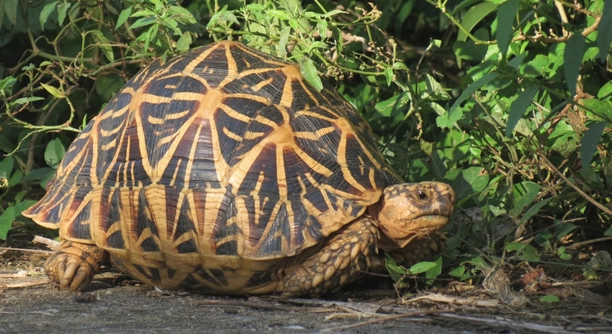
The growth of an Indian Star Tortoise is influenced by various factors. Understanding what impacts their development is essential for maintaining their well-being. This article outlines the key elements that contribute to their healthy growth and longevity.
Indian Star Tortoise growth is directly affected by factors such as diet, habitat conditions, temperature, and exercise. Proper care and a balanced environment are crucial for ensuring their optimal growth and development throughout their lifespan.
Maintaining these factors will provide valuable insights into supporting the long-term health of your Indian Star Tortoise.
Diet and Nutrition for Healthy Growth
A balanced diet plays a significant role in the growth of an Indian Star Tortoise. They require a variety of foods, primarily plants, to thrive. Leafy greens, such as dandelion greens and collard greens, should make up most of their diet. It’s essential to include fiber-rich foods, such as grasses and hay, as they help with digestion and overall health. While fruits and vegetables can be included, they should only be fed in moderation to avoid overloading on sugar. Providing a calcium supplement is necessary for shell development and bone health. This can be done by dusting their food with calcium powder. Offering clean, fresh water is just as important for hydration and digestive function.
A proper diet will ensure that your tortoise grows strong and healthy. Offering a variety of foods will prevent nutrient deficiencies and encourage balanced growth.
Overfeeding or giving them an unbalanced diet can lead to obesity and other health problems. For optimal health, avoid processed foods and stick to natural, whole options. Regularly reviewing their feeding schedule will ensure they get the right nutrition consistently.
Habitat Conditions and Temperature
The right habitat conditions are essential for your tortoise’s growth. Temperature plays a crucial role in their digestion and overall activity levels.
A temperature range of 85°F to 95°F is ideal for an Indian Star Tortoise during the day, with a drop to around 75°F at night. Make sure their enclosure has areas with varying temperatures, allowing them to move to cooler or warmer zones based on their needs. Proper lighting is also necessary. They need UVB light to help synthesize vitamin D3, which is vital for calcium absorption. Without adequate UVB lighting, they may develop metabolic bone disease, which affects their shell and bones.
Humidity levels should also be controlled. Too much moisture can lead to respiratory issues, while low humidity may cause skin problems. Aim for a humidity level of 50-60% to keep your tortoise comfortable. Regular cleaning of the enclosure is important to prevent bacterial growth and maintain a healthy environment.
With proper habitat conditions, your tortoise will stay active and healthy, contributing to their growth.
Exercise and Enrichment
Regular exercise helps maintain your tortoise’s muscle strength and overall health. Allowing them to roam outside their enclosure in a safe, controlled area encourages movement and exploration.
Tortoises enjoy foraging for food, so providing them with a variety of plants to search for is a great way to promote activity. You can also add obstacles, like logs or rocks, to encourage climbing. However, make sure the terrain is safe and doesn’t pose any risk of injury. Regular outdoor exposure also helps them get natural sunlight, which is vital for their health.
Providing enrichment activities will keep your tortoise mentally and physically active. By mimicking their natural environment, you create a space where they can engage in behaviors like digging or foraging. This promotes a healthy, active lifestyle that supports their growth.
Shell and Skin Care
Maintaining the condition of your tortoise’s shell and skin is essential for its well-being. Regularly checking for any signs of damage or illness can prevent serious issues.
The shell should be smooth and firm, without any soft spots or cracks. If you notice any abnormality, it’s best to consult a vet immediately. Bathing your tortoise occasionally can help maintain healthy skin. Use shallow, lukewarm water to avoid stress. Always ensure they are fully dried afterward to prevent any skin irritation. Keeping the enclosure clean will also help avoid any infections.
Taking care of your tortoise’s shell and skin will help prevent complications as it grows.
Proper Lighting and UVB Exposure
Proper lighting, including UVB light, is essential for your tortoise’s health. UVB light helps them produce vitamin D3, which is necessary for calcium absorption and shell development.
Without UVB light, your tortoise can develop metabolic bone disease, which weakens its shell and bones. Providing the correct light source is critical for healthy growth.
Temperature Regulation
Temperature regulation is crucial for your tortoise’s overall health and digestion. Too high or low a temperature can cause stress and lead to health issues.
Ensure that your tortoise has access to both warmer and cooler areas within their habitat, allowing them to regulate their body temperature as needed.
Hydration
Hydration is key for a tortoise’s growth and digestive health. Always provide fresh water, and occasionally mist their environment to maintain proper humidity levels.
Dehydration can lead to health problems, including kidney issues. Ensuring proper hydration will support digestion and prevent complications that can interfere with their growth.
FAQ
How often should I feed my Indian Star Tortoise?
Feeding your Indian Star Tortoise should be done daily, but the amount varies depending on their size and age. Hatchlings and juveniles typically require more frequent meals, while adults can be fed every other day. Always offer a variety of leafy greens and occasional fruits.
The feeding schedule should align with your tortoise’s activity levels and size. For hatchlings and young tortoises, it’s best to offer food twice a day. For adults, a healthy diet every two days is sufficient. It’s essential to adjust the portions based on their weight to prevent overfeeding.
What should I do if my tortoise isn’t eating?
If your tortoise stops eating, it could be due to stress, improper habitat conditions, or illness. First, ensure that the temperature and humidity in their enclosure are within the correct ranges. Check that the food offered is fresh and appropriate for their diet.
Changes in behavior, like refusing food, might indicate stress, especially from a sudden change in their environment. It’s also possible that your tortoise is hibernating, depending on the time of year and climate. If the issue persists, a visit to the vet may be needed to rule out health concerns.
Can I let my Indian Star Tortoise roam freely in the house?
Allowing your tortoise to roam freely inside your house can be risky. It’s important to provide a safe, controlled environment where they can explore. Ensure the area is free from hazards, such as electrical cords or sharp objects, that could cause harm.
If you want to let your tortoise roam, designate a specific space where they can walk around safely. Always supervise them to prevent accidents. Outdoor areas can be a good option, as long as they are secure from predators and other dangers.
What temperature should I maintain for my tortoise?
Indian Star Tortoises thrive in temperatures between 85°F to 95°F during the day. At night, they should be in an area with a temperature of around 75°F. These temperatures are vital for digestion and general activity.
You can use a heat lamp to regulate the temperature within the habitat, ensuring there are cooler areas for them to move to if they need to adjust. Monitoring the temperature regularly with a thermometer will ensure your tortoise’s comfort and well-being.
How do I know if my tortoise is healthy?
A healthy tortoise will have clear eyes, smooth and firm skin, and a hard, intact shell. If the shell has any soft spots or cracks, it could indicate a deficiency or health problem. Healthy tortoises are also alert and active during the day.
Their appetite should be consistent, and they should be able to move easily around their habitat. Any signs of lethargy, abnormal breathing, or changes in eating habits could be a sign of illness. Regular checks with a vet will help monitor their health.
Is it necessary to give my tortoise a bath?
Bathing your tortoise is not strictly necessary, but it can be beneficial. A bath helps keep them hydrated, especially if they aren’t drinking enough water. It also helps with cleaning the shell and skin.
Use lukewarm water that comes up to their knees and let them soak for 15 to 20 minutes. Afterward, gently dry them off with a towel. Avoid using soap or other cleaning products, as these can irritate their skin. Regular bathing should be done once a week, or as needed.
Can my tortoise live outside year-round?
Indian Star Tortoises can live outdoors in suitable climates, but they must have access to shelter and proper heating during colder months. If you live in a warm climate with temperatures above 75°F, they can enjoy outdoor time regularly. However, during extreme weather, such as rain or intense heat, it’s better to bring them indoors.
In colder climates, it’s best to house them inside to maintain their temperature needs. Even when outside, ensure their environment is secure to protect them from predators. A shaded, safe, and dry place is ideal for outdoor housing.
What are the signs of respiratory issues in my tortoise?
Respiratory issues in tortoises can be indicated by wheezing, nasal discharge, or open-mouth breathing. If your tortoise is frequently sneezing or has a runny nose, it’s essential to monitor for additional symptoms, such as lethargy or loss of appetite.
Respiratory infections can develop due to stress, incorrect temperature, or humidity levels. If you observe any of these symptoms, it’s crucial to consult a vet immediately for diagnosis and treatment. Left untreated, respiratory problems can lead to severe health issues.
How can I provide the right UVB lighting?
UVB lighting is critical for your tortoise to absorb calcium and develop a healthy shell. Use a UVB light that is specifically designed for reptiles. These lights should be positioned directly above your tortoise’s basking area, with a distance of 6 to 12 inches.
UVB bulbs should be replaced every 6 to 12 months, as their effectiveness diminishes over time. Make sure the lighting is on for about 10 to 12 hours a day to simulate a natural day-night cycle. In addition to UVB, a heat lamp is necessary for temperature regulation.
Do I need to supplement my tortoise’s diet with vitamins?
Supplements can be beneficial, but they should be used with care. Calcium is the most important supplement for your tortoise, as it supports bone and shell health. You can dust their food with calcium powder a few times a week.
In addition to calcium, a multivitamin supplement may be necessary, especially for young tortoises. However, over-supplementing can lead to health problems, so it’s best to consult a vet to determine the right dosage for your tortoise’s specific needs.
What type of substrate is best for an Indian Star Tortoise?
The best substrate for an Indian Star Tortoise should allow for easy cleaning and moisture control. Options like coconut coir, aspen bedding, or a mixture of sand and soil are suitable. Avoid using pine or cedar shavings, as these can be harmful to tortoises.
The substrate should also help maintain humidity levels within the enclosure. It should be deep enough for your tortoise to dig and burrow, which provides both enrichment and comfort. Keep the substrate dry to prevent mold or bacterial growth. Regular cleaning is essential to avoid health risks.
Final Thoughts
Caring for an Indian Star Tortoise requires attention to several factors, such as diet, habitat, temperature, and health monitoring. By maintaining the proper environment, offering a balanced diet, and ensuring regular check-ups, you can help your tortoise thrive. Their care is not overly complicated but requires consistency and the right conditions. Understanding their needs helps create a comfortable space for them to grow and live healthily.
One key aspect to focus on is providing proper UVB lighting and a heat source. These are essential for their growth and shell development. Without adequate UVB light, your tortoise may suffer from calcium deficiency, which can lead to shell deformities or other health issues. Proper humidity levels and temperatures also play an important role in keeping your tortoise active and healthy. It’s important to maintain the right temperature gradient in their habitat so they can move between warmer and cooler areas as needed.
Regularly monitoring your tortoise’s behavior, eating habits, and overall health will allow you to identify potential issues early. If your tortoise stops eating, becomes lethargic, or shows any signs of illness, seeking advice from a veterinarian is crucial. By maintaining a suitable environment and routine, your Indian Star Tortoise can live a long, happy life. Proper care is key to ensuring they remain healthy and active for years to come.

Hello,
If you enjoy the content that we create, please consider saying a "Thank You!" by leaving a tip.
Every little bit helps us continue crafting quality advice that supports the health, happiness, and well-being of pets around the world, for pets of all shapes, sizes, and species.
We really appreciate the kindness and support that you show us!