
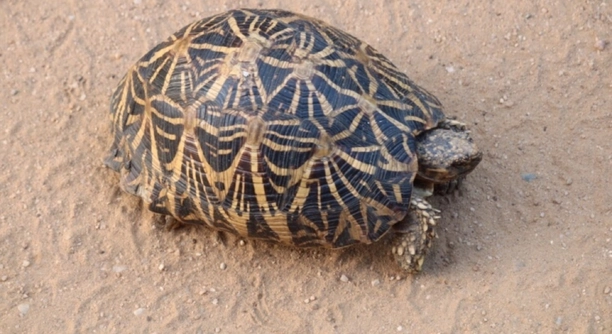
Is your Indian Star Tortoise not eating as usual? It can be concerning when your pet refuses food, especially when you are unsure of the reason behind it. Understanding the causes can help you take the right steps.
There are various reasons your Indian Star Tortoise might avoid food. Common causes include stress, temperature fluctuations, health issues, or improper diet. It’s essential to examine their environment and diet to identify and address the problem effectively.
A closer look at the possible causes can help ensure your tortoise gets back on track with a healthy eating routine.
Environmental Stress
Stress can significantly affect your Indian Star Tortoise’s appetite. Changes in their environment, such as loud noises, handling, or new pets, can cause discomfort and lead to a lack of food intake. Tortoises are sensitive creatures, and disturbances can easily unsettle them. Additionally, relocating your pet or moving them into a new enclosure might create stress, making them hesitant to eat. Ensuring that your tortoise’s environment is calm and consistent is crucial for its well-being.
Inconsistent lighting and temperature can also contribute to stress. Tortoises need specific heat and light conditions to stay healthy and eat well. If their basking area is too hot or cold, they may lose interest in food.
To minimize stress, try to maintain a quiet and stable environment. Gradually introducing changes can help your tortoise adjust without causing anxiety. Over time, with the proper adjustments, your tortoise should regain its appetite and eating habits.
Temperature Fluctuations
Your tortoise may refuse food due to temperature fluctuations.
Proper warmth is essential for digestion and activity. If the enclosure is too cool, your tortoise may not feel the urge to eat. The ideal temperature for an Indian Star Tortoise is around 85°F (29°C) during the day and slightly cooler at night.
Maintaining the right temperature is vital for your tortoise’s overall health. An underheating or overheating enclosure can affect metabolism and appetite. Too low a temperature will slow down digestion, making your pet feel lethargic. On the other hand, excessive heat can cause them to retreat and lose interest in food. A stable temperature helps keep your tortoise comfortable and encourages a healthy appetite. Make sure to regularly check the temperature with a reliable thermometer and adjust heat sources accordingly.
Health Issues
If your Indian Star Tortoise is avoiding food, a health problem could be the cause. It might be experiencing an illness, such as respiratory infections, parasites, or a gastrointestinal issue. Any change in its eating habits should be taken seriously, as it could be a sign of discomfort or illness.
A vet check-up is essential to rule out any potential health issues. Infections or parasites can affect a tortoise’s digestion, causing a loss of appetite. If your tortoise appears lethargic, has swollen eyes, or shows abnormal behavior, these could all be signs that it’s unwell. Catching any health issues early can prevent more serious complications.
Proper hydration and a well-balanced diet can help maintain your tortoise’s health. If your tortoise refuses food for an extended period, it’s crucial to seek professional help. The sooner you address any underlying issues, the better it is for your tortoise’s overall well-being.
Improper Diet
An improper diet is another reason your Indian Star Tortoise may avoid food. If your pet isn’t offered the right food, it can lose interest in eating. A diet lacking essential nutrients or offering too much of one food type can cause imbalances.
Indian Star Tortoises thrive on a variety of leafy greens, flowers, and some fruits. Overfeeding with high-protein foods or offering too many commercial pellets can disrupt their eating habits. This can lead to digestive problems or an unbalanced diet, both of which could decrease their appetite. Avoid giving them food that’s too rich or unsuitable for their digestive system.
Ensure your tortoise’s diet is well-rounded with the right balance of fiber, vitamins, and minerals. Mixing in weeds, grass, and edible flowers will also encourage natural foraging behaviors and stimulate their appetite. Feeding your tortoise properly is essential to maintaining a healthy and active lifestyle.
Overfeeding
Overfeeding can lead to your Indian Star Tortoise refusing food. When a tortoise is fed too much, it may become less interested in eating or refuse food altogether. It’s important to provide the right portion size to avoid overfeeding and to maintain a healthy feeding schedule.
Offering too much food can lead to weight gain or digestive problems. A well-balanced, portion-controlled feeding schedule ensures that your tortoise remains healthy and active. Monitor how much food is offered and adjust the portions based on your tortoise’s size and age. Overfeeding can disrupt its natural eating habits and cause stress.
Hydration
Proper hydration is essential for maintaining your tortoise’s health and appetite.
If your tortoise isn’t drinking enough water, it may become dehydrated, affecting its digestion and overall well-being. Dehydration can make your tortoise lethargic and uninterested in food. Make sure fresh water is always available for your pet to drink.
Lighting and UVB
Proper lighting is crucial for your Indian Star Tortoise’s appetite. If the UVB light in its enclosure isn’t strong enough, it can affect its ability to absorb calcium and other nutrients. This can lead to loss of appetite and digestive issues.
Providing the right lighting ensures that your tortoise remains healthy. The UVB light should be positioned correctly to mimic natural sunlight. Replacing the bulbs as needed and adjusting the light placement can help regulate your tortoise’s metabolism and appetite. Tortoises need both UVA and UVB light for proper digestion and general well-being.
FAQ
Why is my Indian Star Tortoise not eating?
Several factors can cause your tortoise to stop eating, including environmental stress, temperature fluctuations, health issues, or an improper diet. If your tortoise is stressed due to loud noises, a new enclosure, or changes in their environment, they may refuse food. Similarly, if their habitat is too hot or cold, it can affect their appetite. Health problems such as infections or parasites also play a role in decreased food intake. Ensure your tortoise is offered a balanced diet and the right temperature range to encourage eating.
What temperature should my Indian Star Tortoise be kept at?
Your tortoise needs a basking area of around 85°F (29°C) during the day. At night, the temperature should drop slightly to around 70°F (21°C). Proper temperature regulation is essential for your tortoise’s digestion and overall well-being. If the enclosure is too hot or too cold, your tortoise may lose interest in food or become lethargic. You can use a reliable thermometer to monitor the temperature consistently.
How often should I feed my Indian Star Tortoise?
A healthy adult Indian Star Tortoise should be fed every other day, offering a variety of leafy greens, flowers, and small amounts of fruit. Younger tortoises may require daily feedings. Overfeeding can lead to obesity, while underfeeding can cause malnutrition. It’s crucial to offer the right portions and keep a consistent feeding schedule to promote healthy growth.
What should I feed my Indian Star Tortoise?
Your Indian Star Tortoise should primarily eat leafy greens like dandelion greens, collard greens, and mustard greens. You can also offer edible flowers, weeds, and grasses. Avoid feeding them too much fruit or high-protein foods, as these can lead to digestive problems and imbalanced nutrition. Ensure the food is fresh, free of pesticides, and cut into manageable sizes for your tortoise to eat.
Can my Indian Star Tortoise eat fruit?
Fruit should only be offered as an occasional treat. While your tortoise can eat fruit like melon or berries, it should only make up about 10-20% of its diet. Too much fruit can cause digestive issues or an upset stomach due to its high sugar content. Stick to a diet rich in leafy greens and other plant material for the best health results.
How can I tell if my Indian Star Tortoise is sick?
Signs that your tortoise may be unwell include lethargy, lack of appetite, swollen eyes, abnormal breathing, or changes in behavior. If your tortoise refuses food for more than a couple of days, it’s essential to take it to a vet for a check-up. Early detection of illnesses like respiratory infections, parasites, or fungal infections can help prevent further health complications.
Why is my Indian Star Tortoise not drinking water?
Dehydration is a common issue in tortoises, especially if they’re not drinking enough water. If your tortoise is not drinking, it could be due to low humidity in the enclosure or a lack of access to clean water. Make sure there’s always fresh water available and consider soaking your tortoise in shallow water a few times a week to help with hydration.
How long can an Indian Star Tortoise go without food?
An adult Indian Star Tortoise can go without food for a few weeks if necessary, but this depends on its health and overall condition. It’s crucial to monitor your tortoise closely and ensure it’s not refusing food due to illness. If your tortoise is not eating for an extended period, it’s essential to seek veterinary advice.
Can I feed my Indian Star Tortoise commercial pellets?
Commercial pellets can be offered, but they should not be the primary food source for your tortoise. Pellets often lack the variety and nutrition that a tortoise needs from fresh vegetables, flowers, and grasses. If you do use pellets, make sure they are specifically designed for tortoises and offer them as an occasional supplement rather than a regular part of their diet.
How can I make my Indian Star Tortoise eat again?
To encourage eating, ensure your tortoise’s environment is optimal. Check the temperature, humidity, and lighting to make sure it’s comfortable. If stress is a factor, try to minimize disturbances. Make sure you’re offering a varied, balanced diet with plenty of fresh, pesticide-free greens and occasional treats. If your tortoise continues to refuse food, consider consulting a vet.
Final Thoughts
Understanding why your Indian Star Tortoise is avoiding food is crucial to ensuring its well-being. Several factors can contribute to a loss of appetite, including environmental conditions, diet, and health issues. Proper lighting, temperature, and humidity levels are vital for maintaining your tortoise’s appetite. Without the right environment, your tortoise may become stressed or inactive, leading to a lack of interest in food. By creating a stable and comfortable habitat, you can encourage healthy eating habits and improve its overall health.
The diet you offer also plays a key role in your tortoise’s eating behavior. A balanced diet rich in leafy greens, grasses, and occasional fruits is essential. Overfeeding or offering inappropriate foods can cause digestive problems and discourage eating. If your tortoise refuses food, it may be due to stress, an imbalanced diet, or an underlying health issue. Always ensure that food is fresh and clean, and avoid overfeeding or providing too much fruit or protein. A well-fed tortoise is more likely to eat regularly and stay healthy.
If your tortoise continues to refuse food despite adjusting its environment and diet, it may be time to consult a veterinarian. Persistent loss of appetite can be a sign of illness, such as respiratory infections or parasites. Regular check-ups and a proper care routine are essential for identifying any potential health concerns early. Taking the necessary steps to address these issues will ensure your tortoise remains healthy and active for years to come.

Hello,
If you enjoy the content that we create, please consider saying a "Thank You!" by leaving a tip.
Every little bit helps us continue crafting quality advice that supports the health, happiness, and well-being of pets around the world, for pets of all shapes, sizes, and species.
We really appreciate the kindness and support that you show us!