
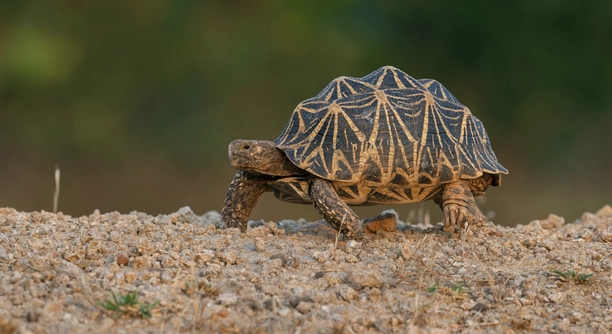
A broken shell in an Indian Star Tortoise is a serious concern. Shell damage can occur from various causes, and understanding how to treat it properly can make a significant difference in the tortoise’s recovery and well-being.
The best way to treat a broken shell in an Indian Star Tortoise involves cleaning the wound, applying an antiseptic, and then covering it with a protective bandage. In more severe cases, a vet should be consulted to prevent infection.
Proper care will ensure that your tortoise can recover comfortably and safely.
Causes of Broken Shells in Indian Star Tortoises
Shell damage in Indian Star Tortoises can result from a variety of factors. Accidental falls, rough handling, or being struck by objects can cause fractures. Additionally, if they are kept in environments with sharp edges, they may scratch or crack their shells while exploring. Tortoises that are housed with aggressive tank mates or in overcrowded spaces may also experience shell trauma from conflicts. In some cases, poor diet and lack of proper calcium intake can weaken the shell, making it more prone to injury. Preventing such accidents is crucial to their overall health and well-being.
Regularly checking your tortoise’s habitat for sharp objects or hazards can reduce the risk of shell damage. Providing adequate space and avoiding rough handling will also protect them. Ensuring that their diet includes enough calcium and vitamin D will help strengthen the shell and bones.
By addressing these factors, you can minimize the chances of shell injuries. Keeping the environment safe and offering proper nutrition will promote the long-term health of your tortoise.
How to Identify Shell Damage
Shell damage may not always be obvious at first. Look for cracks, chips, or holes in the shell. If your tortoise is acting unusually, such as refusing food or showing signs of discomfort, this may also indicate injury.
If you suspect shell damage, the first step is to carefully examine the affected area. Use a soft cloth to gently wipe away dirt or debris around the break. This will help reveal the extent of the damage. If the shell appears cracked, chipped, or punctured, it is essential to take immediate action to prevent infection.
If the injury is severe or extensive, it is best to consult a veterinarian. They can provide a professional assessment and recommend further treatments, including possible surgical repair or medication to prevent infection.
Treatment Steps for a Broken Shell
Once shell damage is confirmed, the first step is cleaning the injury. Use a mild antiseptic solution to cleanse the area, removing any dirt or bacteria. Be gentle during this process to avoid causing further harm. After cleaning, apply an antibiotic ointment to prevent infection. If the break is small and superficial, you can bandage the shell with non-stick gauze to keep it protected. This will also prevent dirt from entering the wound, promoting healing.
If the crack is deep, or if the shell is missing large pieces, professional veterinary help is necessary. Your vet may use special materials to fill the gaps and seal the wound. In some cases, a hard shell splint may be applied to support the healing process. Ensure the tortoise is kept in a clean, dry, and calm environment during recovery.
In the case of severe injury, prolonged care and regular checkups may be required to monitor the healing progress. Follow the advice of your veterinarian closely to ensure the best possible outcome.
Preventing Future Shell Damage
Preventing shell injuries in the future is essential to your tortoise’s long-term health. Keep their habitat free from sharp objects or rough surfaces that may cause harm. Provide ample space for them to move around freely.
A well-maintained environment, along with a proper diet, will go a long way in preventing shell injuries. Regularly inspect your tortoise’s shell for any signs of damage, and address any issues promptly.
How to Handle a Tortoise with a Broken Shell
When dealing with a tortoise that has a broken shell, it’s important to stay calm and act swiftly. Handle your tortoise gently, avoiding putting pressure on the affected area.
Place the tortoise in a quiet, clean, and dry space to avoid further stress. Minimize handling as much as possible during recovery. Clean the injury area using an antiseptic solution to prevent infection, being careful not to irritate the shell. If needed, apply a bandage to keep the wound protected from dirt and bacteria.
For more severe injuries, a vet’s care is crucial. They may need to perform a more thorough cleaning, apply specialized treatment, or even use materials to cover the wound.
Aftercare for Tortoises with Shell Injuries
After treatment, it is essential to monitor the tortoise’s recovery. Keep it in a safe, warm environment that promotes healing. Ensure the habitat is clean and dry to avoid complications.
A vet may recommend specific aftercare instructions, such as administering antibiotics to prevent infection. You should also check for any signs of discomfort, like abnormal behavior, that could indicate complications. Regularly inspect the shell for any changes or signs of worsening.
A healthy diet is essential to speed up the healing process. Ensure your tortoise is getting enough calcium and vitamin D, which will aid in the shell’s recovery and overall strength.
Signs of Infection in a Tortoise’s Broken Shell
Infection can occur if the wound is not properly cleaned and cared for. Look for signs such as swelling, redness, or discharge from the injury site. If your tortoise seems lethargic or loses appetite, these may be indications of an infection.
Act quickly if you notice these symptoms. Prompt treatment with antibiotics can help prevent further complications. Consult your vet for a thorough examination and treatment plan to ensure your tortoise makes a full recovery.
Providing a Safe Recovery Environment
A calm, stress-free environment is essential for recovery. Ensure your tortoise’s habitat is clean, free of hazards, and at an appropriate temperature. This will help minimize stress and support the healing process. Avoid overcrowding the enclosure, as it may increase the risk of further injury.
Monitor the tortoise regularly to ensure its health is improving. Give it time to rest and recuperate.
The Role of Diet in Shell Recovery
Diet plays a key role in the healing process. Ensure your tortoise receives a balanced diet rich in calcium, vitamin D, and other essential nutrients. A healthy diet supports shell strength and encourages bone growth, which is vital for shell repair.
Additionally, offering fresh leafy greens and vitamin-rich foods will enhance recovery and boost overall health.
FAQ
How long does it take for a tortoise’s broken shell to heal?
Healing time for a broken shell varies depending on the severity of the injury. For minor cracks, it may take a few weeks to a month for the shell to heal. More severe injuries may require several months of recovery and professional care. Regular checkups with your vet can help monitor the healing process.
Can I use superglue to fix a broken shell?
Superglue is not recommended for treating broken shells in tortoises. It may not provide a proper seal and could cause irritation. It’s best to rely on professional treatments, such as the use of special materials and techniques applied by a vet, to ensure safe and effective healing.
What should I do if my tortoise’s shell breaks completely?
If the shell is completely broken, immediate veterinary care is necessary. Severe shell fractures may require surgical intervention, specialized materials for repair, and prolonged recovery. A veterinarian will determine the best course of action, which may involve bandaging, splinting, or using shell filler.
Can tortoises live with a broken shell?
Tortoises can survive with a broken shell if the injury is treated properly and promptly. However, untreated or poorly managed shell damage can lead to infections and other complications. With the right care, most tortoises can fully recover and continue to live healthy lives.
How can I prevent shell injuries in my tortoise?
Preventing shell injuries involves creating a safe, secure environment. Avoid sharp objects, rough surfaces, or overcrowding in the enclosure. Be gentle when handling your tortoise, and provide a diet that supports shell health. Regularly inspect the shell for any cracks or damage.
What are the signs that my tortoise needs veterinary care?
Signs that your tortoise may need veterinary care include visible cracks, holes, or deep scratches in the shell, swelling, unusual behavior, loss of appetite, or excessive lethargy. If the injury appears serious or worsens, seek professional help immediately to prevent further harm.
Can I put my tortoise back in its enclosure immediately after treatment?
It’s essential to provide a calm, clean environment for your tortoise after treatment. If your tortoise has a serious injury, keep it in a separate, quiet space to reduce stress and minimize the risk of further injury. The enclosure should be disinfected and free from hazards before returning your tortoise.
How can I support my tortoise’s recovery after shell treatment?
Support your tortoise’s recovery by ensuring it has a proper diet rich in calcium and vitamin D. Provide a clean, dry, and quiet environment, and monitor its behavior. Limit handling to allow it time to rest and heal. Regularly check the injury site to ensure it is healing well.
Should I give my tortoise any pain relief after a shell injury?
Pain relief should only be administered under the guidance of a veterinarian. Tortoises may require pain medication if the injury is severe. Never administer human painkillers, as they can be harmful. Always consult your vet before giving any medications to your tortoise.
Can tortoises recover from shell injuries without professional help?
Minor injuries may heal on their own with proper care, but professional help is always recommended for more severe injuries. A vet can offer guidance on proper wound care, monitor for infection, and provide treatments that ensure the injury heals safely.
Final Thoughts
A tortoise with a broken shell requires careful attention and immediate care to ensure it heals properly. If you notice any signs of injury, it’s important to act quickly by cleaning the wound and protecting it from infection. Even if the injury seems minor, consulting a vet is always the best course of action. Veterinarians can provide the right treatments, offer advice on aftercare, and ensure that the tortoise recovers without complications. It’s essential to create a safe environment for the tortoise to rest and heal, ensuring that it is not stressed and has access to the proper resources for recovery.
Recovery can take time, and the healing process will depend on the severity of the injury. For minor fractures, a few weeks to a month of rest may be sufficient, while more severe injuries could take several months. During this time, it’s crucial to follow the vet’s instructions and regularly check for any signs of infection or complications. A clean, calm environment, along with proper nutrition, will support the healing process and ensure that the tortoise’s shell regains its strength. Proper aftercare is vital, as neglecting the injury can lead to long-term health issues.
Preventing shell injuries in the future is just as important as treatment. By creating a secure environment and handling your tortoise with care, you can help reduce the risk of accidents. Regular checkups and routine inspections of the shell can also catch any issues early, preventing further damage. A healthy diet and regular monitoring will keep your tortoise in optimal condition, ensuring it lives a long and healthy life. Providing the right care during and after recovery will not only heal the shell but also support the overall health of your tortoise for the long term.

Hello,
If you enjoy the content that we create, please consider saying a "Thank You!" by leaving a tip.
Every little bit helps us continue crafting quality advice that supports the health, happiness, and well-being of pets around the world, for pets of all shapes, sizes, and species.
We really appreciate the kindness and support that you show us!