
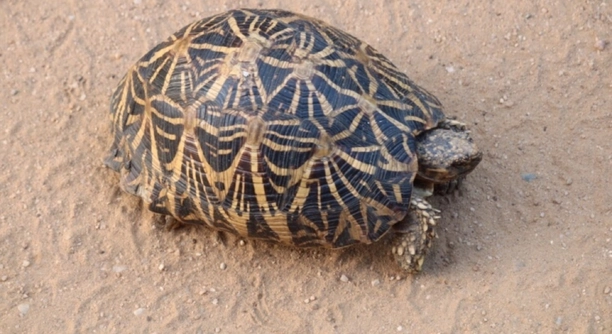
Sometimes, owners notice their Indian Star Tortoise not using its hide, even though it’s a necessary item in their enclosure. This behavior can be puzzling, as the hide provides comfort, security, and privacy for your tortoise.
The main reason your Indian Star Tortoise may not be using its hide is related to its environmental conditions. Factors like the size of the hide, temperature, humidity, or stress can influence the tortoise’s choice to avoid it.
Several factors contribute to this behavior, and understanding them can help resolve the issue. Ensuring the right environment can encourage your tortoise to feel comfortable enough to use its hide.
Environmental Factors Affecting Your Tortoise’s Behavior
If your Indian Star Tortoise isn’t using its hide, the environment might not be meeting its needs. Tortoises, like all reptiles, rely on temperature and humidity for comfort and health. If the temperature is too hot or cold, or if the humidity levels are off, your tortoise may not feel secure in its hide. It’s also important that the hide itself is appropriately sized—not too small or too large. A hide that is too large may fail to give the sense of safety and security your tortoise seeks. Sometimes, even a poorly placed hide can cause your tortoise to avoid it entirely, as they might prefer more open spaces if the hide feels too cramped or difficult to access.
It’s key to adjust the environment so your tortoise can access an area that feels safe and temperature-controlled. Proper humidity levels play a role in this, as well as ensuring the hide is easy to enter.
Creating the right environment for your tortoise isn’t just about placing a hide in the enclosure. You need to check the temperatures and humidity carefully. Ideal conditions are a basking area of around 90°F (32°C) and a cooler area around 75°F (24°C). Humidity should generally be kept around 50%. If these are not met, your tortoise might prefer open spaces, avoiding the hide altogether. Additionally, monitor the placement of the hide. It should be placed in a quiet, low-traffic area where your tortoise won’t feel disturbed. A hide placed too close to the basking light or water dish could also be uncomfortable.
Stress and Anxiety
Stress is another common reason for your tortoise avoiding its hide. If there are any sudden changes in the environment, like noise or new animals in the room, it can create anxiety for your tortoise.
Tortoises are creatures of habit and can easily get stressed if something in their enclosure is unfamiliar or unsettling. The stress can make them avoid places where they normally would feel comfortable, like their hide. In some cases, too much handling or interaction may also stress them out. These stressors can make them seek open spaces rather than retreating into their hide.
When stress occurs, your tortoise may show other signs, such as hiding for long periods, pacing, or acting more withdrawn than usual. If you suspect stress is the problem, try to give your tortoise some time to adjust. Limit handling, avoid sudden changes to the enclosure, and maintain a peaceful environment. You could also try placing a towel or blanket over part of the enclosure to help reduce visual disturbances. Giving your tortoise a quieter, more predictable environment can help encourage it to use its hide again.
Size and Type of Hide
A hide that is either too large or too small can make your tortoise uncomfortable. The ideal size should allow your tortoise to move in and out freely but still provide a sense of security.
When choosing a hide, make sure it’s just big enough for your tortoise to feel enclosed without being overwhelmed. A hide that’s too large may not provide the cozy, secure space your tortoise craves. If it’s too small, your tortoise may feel trapped or stressed. There should also be enough room for your tortoise to turn around easily inside. Avoid hide structures that are open at both ends, as these won’t give your tortoise the privacy it needs to feel safe.
The type of material also matters. A hide made of soft, natural materials like wood or ceramic can make your tortoise feel more at home. A hide that’s made from plastic might not offer the same comforting feeling. A more natural hide will mimic the environments your tortoise would experience in the wild, making it more likely to use it regularly. Make sure the hide also has proper ventilation, as your tortoise needs to breathe easily while inside.
Temperature and Humidity
If the temperature or humidity is off, your tortoise might avoid its hide. It’s essential to maintain proper levels for both.
The temperature in your tortoise’s enclosure plays a big role in its overall comfort and behavior. Your tortoise needs a warm basking area and a cooler section to help regulate its body temperature. If the warm side is too hot or the cool side is too cold, your tortoise may not want to use the hide, even if it feels safe inside. Also, humidity is crucial. Too much moisture or too little can make your tortoise uncomfortable, especially if it’s a species that requires specific humidity levels.
You should keep the temperature around 90°F (32°C) on the basking side and 75°F (24°C) on the cooler side. Humidity should generally be between 50-60%. If you notice your tortoise is avoiding the hide despite these conditions being met, you might want to check that the hide is not too close to the heat source or too damp. Try adjusting the environment until it feels just right. Regular monitoring of these factors ensures your tortoise remains healthy and comfortable.
Natural Behavior and Instincts
Your tortoise might not be using its hide because it’s simply following its natural instincts. Some tortoises prefer more open spaces.
Not all tortoises instinctively seek out hiding spots, especially if they feel secure in the rest of their environment. In the wild, many tortoises are more exposed and rely on natural shelter for short periods. If your tortoise feels safe and confident in its surroundings, it might not feel the need to hide.
Age and Activity Level
As tortoises age or if they’re more active, they may change their behavior, including how they use their hide.
Young tortoises are often more energetic and curious, so they might explore more and be less inclined to hide. Older tortoises, on the other hand, might use their hide more often for rest or warmth. If your tortoise is more active than usual, it might just be out exploring rather than seeking a quiet spot.
FAQ
Why isn’t my Indian Star Tortoise using its hide?
There can be several reasons why your tortoise is avoiding its hide. The temperature or humidity might be incorrect, making it uncomfortable. The size or type of hide could also be unsuitable, either too large or too small. Stress from changes in its environment or a new pet in the household might cause your tortoise to avoid its hide as well. Additionally, it could simply be due to its natural behavior, as some tortoises don’t seek shelter as often as others.
What’s the best way to set up my tortoise’s hide?
Your tortoise’s hide should be sized appropriately—just big enough for it to fit comfortably but not so large that it feels exposed. Place it in a quiet, low-traffic area of the enclosure, away from direct heat sources or water. Ensure the material is natural, like wood or ceramic, and offers good ventilation. Regularly check the temperature and humidity in the enclosure to make sure they’re at optimal levels—90°F (32°C) on the basking side, 75°F (24°C) on the cooler side, and 50-60% humidity.
How often should I clean the hide?
It’s important to clean your tortoise’s hide regularly to prevent any buildup of waste, mold, or bacteria. Ideally, you should clean it every 1-2 weeks, depending on your tortoise’s activity. Remove any waste, wash the hide with a mild soap or reptile-safe cleaner, and let it dry completely before putting it back in the enclosure. Make sure to also check for any signs of mold or mildew, especially in areas with higher humidity.
Is it normal for my tortoise to hide all the time?
If your tortoise is spending most of its time in the hide, it could be a sign of stress or illness, especially if it’s a sudden change in behavior. However, some tortoises prefer hiding during certain times of the day, such as during the night or when they feel vulnerable. If your tortoise is eating well and shows no other signs of illness, it’s likely just resting. Keep an eye on its behavior and monitor for any signs of distress.
Can I use a plastic hide for my tortoise?
Plastic hides are generally not the best choice for tortoises. While they may serve the function of providing shelter, they don’t provide the same sense of security as more natural materials like wood or ceramic. Tortoises often prefer hides that mimic their natural environment, which helps them feel safer. If you do use plastic, make sure it’s well-ventilated and not too large or too small for your tortoise’s size.
How do I know if my tortoise is stressed?
Stress in tortoises can be seen through several signs. If your tortoise isn’t eating, is hiding more often than usual, or seems restless and pacing around the enclosure, it could be stressed. Other signs of stress include excessive scratching or digging, puffing up its body, and showing aggression. Monitor its environment for changes such as new pets, loud noises, or temperature shifts that could be causing the stress.
Should I change my tortoise’s hide location?
If your tortoise seems to be avoiding its hide or not using it as often, consider changing its location. Sometimes, a hide placed near a heat source or in a high-traffic area might make your tortoise feel unsafe. Try moving the hide to a quieter, more secure part of the enclosure. Avoid placing it too close to the basking area or water source to maintain the ideal temperature.
Can my tortoise have more than one hide?
Yes, having more than one hide can benefit your tortoise. Multiple hides can give your tortoise choices, allowing it to feel safe and secure in different areas of the enclosure. This is especially helpful if your tortoise seems to avoid its primary hide. Just be sure each hide provides appropriate shelter and is the right size for your tortoise.
How long should my tortoise spend in its hide?
There’s no specific time limit for how long a tortoise should spend in its hide. Some tortoises use their hides to rest, while others may only retreat for short periods. If your tortoise seems to stay in the hide for extended periods, make sure the environmental conditions are optimal. It’s normal for a tortoise to seek refuge during the night or in stressful situations, but it should also spend time outside its hide during the day, especially to bask and eat.
What should I do if my tortoise is refusing to eat and staying in its hide?
If your tortoise is refusing food and staying in its hide for an extended period, it might be a sign of stress, illness, or poor environmental conditions. Check the enclosure for temperature and humidity imbalances, as improper settings can make your tortoise uncomfortable. Also, observe your tortoise for any other signs of illness, like lethargy or abnormal behavior. If the situation doesn’t improve, it might be best to consult a veterinarian.
Final Thoughts
When your Indian Star Tortoise is not using its hide, it’s important to look closely at the environment you’ve created for it. The hide is a vital part of their comfort, as it provides security, warmth, and a place to retreat when they feel stressed. If your tortoise isn’t using its hide, the first thing to check is the size and location of the hide. Ensure that it is the right size—not too big or too small—and placed in a quiet area of the enclosure, away from loud noises or other disturbances. The material of the hide matters too. Tortoises often prefer hides made from natural materials, like wood or ceramic, as these mimic their natural habitat more closely than plastic.
Temperature and humidity are other key factors that can influence your tortoise’s use of its hide. Indian Star Tortoises, like other reptiles, need a controlled environment to thrive. Make sure the basking area is around 90°F (32°C), with a cooler side around 75°F (24°C). The humidity level should generally be around 50-60%. If these conditions aren’t met, your tortoise might avoid its hide or seem uncomfortable in the enclosure. Regularly monitor these levels to make sure they remain stable. If your tortoise isn’t using its hide, adjusting the temperature or humidity may encourage it to seek shelter more often.
Lastly, don’t forget that your tortoise’s behavior can also be influenced by stress or natural instincts. Stress can cause your tortoise to retreat into its shell or avoid certain areas, including its hide. Factors like sudden changes in the environment, new animals in the room, or excessive handling can cause stress. On the other hand, some tortoises might just prefer being more active and out in the open, especially if they feel safe and confident in their space. Observing your tortoise’s behavior and adjusting its environment accordingly can help encourage it to feel more comfortable and start using its hide again. Keep in mind that patience is key. Understanding what’s causing your tortoise to avoid its hide will ultimately help ensure it stays healthy and happy.

Hello,
If you enjoy the content that we create, please consider saying a "Thank You!" by leaving a tip.
Every little bit helps us continue crafting quality advice that supports the health, happiness, and well-being of pets around the world, for pets of all shapes, sizes, and species.
We really appreciate the kindness and support that you show us!