
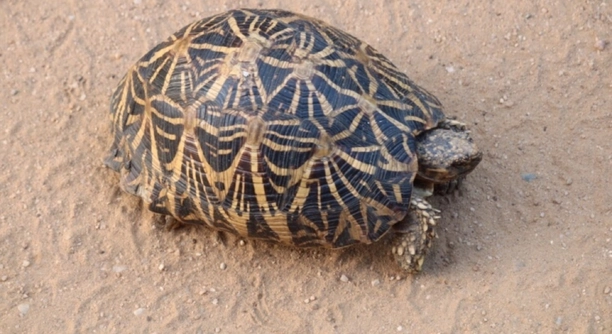
Indian Star Tortoises are unique creatures that thrive when their needs are met. As pet owners, it’s essential to understand their behavior and well-being to ensure they stay healthy and happy.
The indicators of a happy Indian Star Tortoise include active behavior, good appetite, clear eyes, a well-maintained shell, and regular basking. Healthy tortoises are responsive to their environment and exhibit signs of contentment through their interactions and habits.
Keeping an eye on these signs will help you ensure your tortoise is living a healthy and fulfilling life. Understanding their behavior will give you a closer connection to their needs.
Active and Engaged Behavior
A healthy Indian Star Tortoise is usually active and curious about its surroundings. They will roam around their habitat, exploring different areas and engaging with their environment. A tortoise that is consistently lethargic or disinterested may be a sign of stress or illness. Regular movement and interaction with their enclosure are important for their well-being.
When your tortoise is active, it shows that they feel secure in their habitat. They will climb over rocks, wander, and occasionally dig into the substrate. This kind of behavior indicates that they are comfortable and not facing any major health issues.
If your tortoise is spending most of its time in one spot or moving very little, you may want to check the temperature and humidity in the enclosure. Proper lighting and a variety of hideouts also support your tortoise’s active behavior. Ensuring the space allows for both hiding and exploration will help stimulate their natural instincts. Adjusting the environment as needed can encourage them to become more active, contributing to a happier and healthier life.
Healthy Appetite and Feeding Habits
An Indian Star Tortoise with a healthy appetite will eagerly feed on appropriate vegetables and fruits. Regular eating habits help ensure they maintain their energy and overall health.
A strong appetite is a good sign that your tortoise is getting enough nutrients and feels comfortable in its home. Be mindful of offering a balanced diet with foods rich in fiber and vitamins.
Clear Eyes and Healthy Shell
Clear eyes are a reliable indicator that your tortoise is in good health. Watery or cloudy eyes may signal an underlying issue such as dehydration, infection, or stress.
When an Indian Star Tortoise feels happy and comfortable, their eyes should be clear and bright. If you notice any discharge or signs of swelling, it may be worth checking for possible eye infections or environmental problems like improper humidity or temperature. Healthy eyes reflect a healthy tortoise.
Along with clear eyes, a strong and smooth shell is a sign of well-being. The shell should not have cracks, soft spots, or discoloration. A damaged shell may require medical attention, so it’s important to inspect the shell regularly. A shiny, well-maintained shell indicates a well-balanced diet and proper care.
Proper Basking and Temperature Regulation
Indian Star Tortoises require proper temperature regulation for overall health. If your tortoise is regularly basking under a heat source, it’s a sign they’re comfortable and able to regulate their body temperature.
Providing a designated basking area with a temperature gradient in the enclosure helps mimic natural conditions. When basking, your tortoise should seek warmth from the heat lamp or basking spot to regulate its body temperature. It’s important to ensure there are cooler areas in the enclosure for them to retreat to when they need to cool off. Proper basking time aids in digestion and overall health.
If your tortoise avoids basking or seems uninterested in the heat source, it could suggest that the environment is not ideal. Check the temperature, light intensity, and placement of the basking area to ensure it meets your tortoise’s needs. A well-regulated habitat is key to a happy tortoise.
Social Behavior and Interaction
A happy tortoise will show interest in its surroundings and occasionally interact with you. While they may not seek constant attention, they will respond to familiar stimuli.
If your tortoise moves toward you when you approach or seems alert when you enter the room, it’s a sign of comfort and trust. Their social behavior is often subtle, but it’s an important indicator of their overall happiness.
Healthy Digestion and Waste
A tortoise that is eating well will typically have regular, firm stools. If their waste is consistently watery or not passing regularly, it might signal an issue.
A healthy digestive system is essential for their well-being. Ensure they are eating the right foods, and keep an eye on their waste habits to spot any possible concerns early.
FAQ
What should I feed my Indian Star Tortoise?
Indian Star Tortoises thrive on a varied diet consisting of leafy greens, vegetables, and fruits. Offer them a mix of dandelion greens, collard greens, and kale. You can also provide them with occasional fruits like papaya, melons, and berries. Avoid feeding them high-oxalate vegetables like spinach too often, as this can interfere with calcium absorption.
Make sure the food you offer is pesticide-free, and try to change their diet regularly to provide essential nutrients. You can also supplement their meals with calcium and vitamin D3, which are crucial for their shell and bone health. However, feeding them too much fruit can lead to digestive issues, so make sure to balance it with fiber-rich vegetables.
How can I ensure my tortoise gets enough UVB light?
UVB lighting is vital for your tortoise’s health, as it helps them produce vitamin D3, which is necessary for calcium absorption. Use a high-quality UVB lamp specifically designed for reptiles. Ensure the lamp is placed close enough for your tortoise to bask under it, but not too close to cause burns.
You should replace the UVB bulb every six months, even if it still seems to work, as its effectiveness decreases over time. Ideally, the UVB light should be on for 10 to 12 hours each day to mimic natural sunlight. Ensure that your tortoise has access to both light and dark areas in their enclosure so they can regulate their exposure.
How often should I clean my tortoise’s habitat?
Regular cleaning of your tortoise’s habitat is crucial for their health and comfort. Spot-clean the enclosure daily by removing any leftover food or waste. This helps maintain a clean and hygienic environment.
A full cleaning should be done weekly. Remove all substrate and wipe down surfaces with a reptile-safe disinfectant. Make sure the bedding is dry and fresh. If your tortoise is housed in an outdoor enclosure, be sure to check for mold, waste, or stagnant water that could lead to illness. Keeping the habitat clean helps prevent bacteria and parasites from growing.
What temperature should my tortoise’s enclosure be?
Indian Star Tortoises require a temperature range of 75°F to 95°F in their enclosure, with a basking spot that can reach up to 100°F. Make sure the cooler side of the enclosure remains at 75°F to 80°F to give your tortoise a temperature gradient.
To achieve this, you can use heat lamps or ceramic heat emitters. Use a thermometer to monitor the temperatures in different areas of the enclosure to ensure the environment is suitable for your tortoise’s needs. Make adjustments if necessary to avoid any temperature extremes, which could stress or harm your tortoise.
How do I know if my tortoise is sick?
If your Indian Star Tortoise is sick, it may show signs such as lethargy, loss of appetite, watery eyes, or abnormal breathing sounds. Other warning signs include a soft or deformed shell, irregular waste, or difficulty moving.
If you notice any of these symptoms, it’s essential to take your tortoise to a reptile vet for a thorough check-up. The sooner you address any health issues, the better the chance of a successful recovery. Regularly observing your tortoise’s behavior and health helps catch any problems early.
Can I house multiple Indian Star Tortoises together?
Indian Star Tortoises are generally solitary animals, so it’s best to house them individually. While some tortoises may tolerate the presence of others, they are territorial by nature and could become stressed or even fight.
If you do decide to house them together, ensure the enclosure is large enough for all of them to have their own space. Multiple basking spots, hiding places, and food stations will help reduce stress and territorial disputes. Monitoring their behavior is key to ensuring they live peacefully together.
How long do Indian Star Tortoises live?
Indian Star Tortoises are long-lived animals, with an average lifespan of 40 to 50 years in captivity when given the proper care. Some individuals may even live over 100 years.
Their long life expectancy means that adopting an Indian Star Tortoise is a long-term commitment. To ensure they live a healthy and happy life, you will need to provide consistent care, including a balanced diet, a clean and safe environment, and regular veterinary checkups.
What kind of substrate should I use for their enclosure?
The substrate in your tortoise’s enclosure should be both absorbent and safe for them. Avoid sand, as it can irritate their eyes and respiratory system. Instead, use a mixture of coconut coir, cypress mulch, or organic soil. These substrates are natural and easy to clean.
Make sure to maintain a clean, dry substrate to prevent bacterial growth. Replace the substrate regularly, and ensure that it is deep enough for your tortoise to dig in if they desire. A healthy substrate promotes a comfortable living space.
Do Indian Star Tortoises need a water dish?
Yes, Indian Star Tortoises need access to fresh water at all times. You should place a shallow water dish in their enclosure, ensuring they can drink easily. It’s important to clean the water dish daily to prevent bacteria buildup.
Some tortoises also enjoy soaking in water, which helps with hydration and keeps their skin healthy. Providing a shallow soak once or twice a week in a warm, shallow container can benefit your tortoise. Be sure the water is not too deep, as your tortoise might not be able to climb out easily.
Final Thoughts
Caring for an Indian Star Tortoise can be a rewarding experience when you understand their needs. Their well-being depends on factors like diet, temperature, and a suitable habitat. By providing the right environment, regular feeding, and attention to their health, you can ensure your tortoise lives a long, happy life. They may not be as interactive as other pets, but they can form a connection with their owners through consistent care.
It’s important to remember that these tortoises are long-lived and require ongoing commitment. They thrive in a stable environment, so creating a comfortable home for them is key. Regular check-ups with a vet experienced in reptiles can help catch any potential health issues early. Monitoring their behavior, shell condition, and overall health will make a significant difference in their quality of life.
By paying attention to the signs of a healthy tortoise, you can prevent problems before they arise. Healthy tortoises are active, have clear eyes, maintain a strong shell, and show a good appetite. By adjusting their environment when necessary and offering the proper diet and care, you will be setting your tortoise up for success.

Hello,
If you enjoy the content that we create, please consider saying a "Thank You!" by leaving a tip.
Every little bit helps us continue crafting quality advice that supports the health, happiness, and well-being of pets around the world, for pets of all shapes, sizes, and species.
We really appreciate the kindness and support that you show us!