
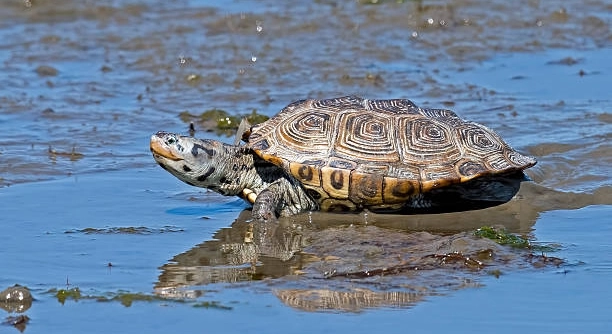
Providing Diamondback Terrapins with natural habitat features is essential for their health and well-being. These creatures thrive in environments that mimic their native surroundings, promoting better physical and mental development.
Natural habitat features for Diamondback Terrapins provide essential benefits such as improved behavior, better health, and increased longevity. These elements help replicate their native ecosystem, offering opportunities for basking, nesting, and foraging, which are vital for their survival.
In this article, we will explore the key advantages of adding natural features to their habitats, helping you understand why it is crucial for your terrapin’s health and happiness.
1. Improved Health and Longevity
Providing natural habitat features for Diamondback Terrapins can significantly improve their overall health. When placed in an environment that mirrors their natural surroundings, these turtles experience less stress, which directly affects their physical condition. A natural habitat provides proper basking spots, clean water for swimming, and varied terrain for movement. These features allow the terrapin to exercise, forage, and engage in essential behaviors that would otherwise be absent in a sterile tank environment.
Creating a space that closely resembles their native wetlands helps ensure they maintain a healthy diet and proper hydration, reducing the risk of obesity and dehydration. They can access natural food sources, such as aquatic plants and small invertebrates, which are often more nutritious than commercial turtle food. Additionally, the right balance of sun and shade enables them to regulate body temperature, which is crucial for maintaining a healthy immune system.
The enhanced living conditions contribute to a longer lifespan. Turtles in natural habitats are less likely to suffer from diseases or injuries commonly seen in captivity. Their stress levels are reduced, resulting in fewer health complications over time.
2. Behavioral Enrichment
A more stimulating environment benefits your terrapin’s behavior.
When given access to features like rocks, submerged plants, and natural substrates, Diamondback Terrapins are more likely to display natural behaviors. These features allow them to establish territories, hide when feeling threatened, and engage in more active foraging. All these behaviors help keep them mentally engaged, reducing boredom and stress. A richer environment supports the development of natural instincts, which is vital for their well-being.
3. Better Nesting Conditions
Creating natural habitat features offers better nesting opportunities for Diamondback Terrapins. With access to soil, sand, and shallow areas, female terrapins are more likely to nest successfully. Natural nesting sites promote safer egg-laying environments, reducing the risk of eggs being exposed to predators or damaged by artificial substrates.
When terrapins have a dedicated nesting area that mirrors the conditions they would experience in the wild, their chances of laying eggs in a safe, secure spot increase. This not only boosts their reproductive health but also gives them a chance to lay eggs in a natural, stress-free setting.
By offering a varied environment with deep, moist soil and appropriate temperature fluctuations, you allow terrapins to instinctively choose the best spot to nest. This promotes the survival of their offspring, ensuring healthy generations of terrapins. Proper nesting features are crucial for keeping your terrapins comfortable and safe throughout their breeding season.
4. Increased Physical Activity
Natural habitat features encourage more physical activity for Diamondback Terrapins.
With a variety of surfaces to explore, climb, and interact with, terrapins can engage in more exercise. These features help prevent issues like obesity and joint problems, common in less active turtles. Incorporating rocks, logs, and varied terrain in the habitat allows them to exercise different muscle groups while swimming, climbing, and basking.
Providing diverse environments encourages natural movements, such as climbing onto logs for basking, swimming in different water depths, and exploring hidden spots. These actions stimulate muscle development and enhance overall fitness, contributing to a healthier, more active lifestyle. When kept in a well-designed habitat, Diamondback Terrapins can thrive physically and maintain a robust, active routine.
5. Natural Feeding Opportunities
Offering natural habitat features provides Diamondback Terrapins with the ability to forage for food just like they would in the wild. This gives them access to a variety of nutritious options, improving their diet and overall health. Aquatic plants, algae, and small invertebrates are great natural food sources.
Allowing your terrapin to forage in its habitat encourages more diverse feeding behavior. It helps them learn to search for their food, keeping them mentally and physically stimulated. The variety of natural food options helps prevent nutritional deficiencies, ensuring they receive a well-rounded diet tailored to their species’ needs.
The ability to choose from a variety of natural foods reduces reliance on store-bought diets and ensures a more natural feeding routine. This helps promote optimal health, boosting both their immune system and energy levels. Terrapins are more likely to thrive in an environment where they can engage in natural foraging behaviors, rather than being dependent on pre-packaged food.
6. Stress Reduction
Natural habitat features help reduce stress for Diamondback Terrapins.
When given a space that mimics their natural environment, they feel safer and more at ease. Having access to hiding places and basking spots allows them to retreat when needed, reducing anxiety.
7. Improved Socialization
Terrapins thrive in environments that provide a sense of security and social opportunities. When kept in a natural habitat, they interact with each other and their surroundings in meaningful ways. They display more natural social behaviors, improving their well-being.
FAQ
What are the most important natural habitat features for Diamondback Terrapins?
The key features that Diamondback Terrapins need in their habitat are basking spots, clean water for swimming, areas for nesting, and varied terrain. Basking areas are essential for regulating their body temperature, while clean water ensures proper hydration and hygiene. Nesting sites that mimic natural environments allow terrapins to lay eggs safely. Varied terrain, such as rocks and logs, provides opportunities for climbing, hiding, and exploring. These features help replicate their natural environment, allowing terrapins to thrive physically and mentally.
How can I create a natural habitat for Diamondback Terrapins in captivity?
To create a natural habitat, you should include a mix of shallow and deep water areas, rocks or logs for basking, aquatic plants, and a soft substrate for nesting. Use a tank or outdoor pond that allows the terrapins to roam freely, offering plenty of space for swimming and exploring. Ensure the water is clean and filtered to avoid contamination. Temperature regulation is essential, so provide areas that get both sunlight and shade. The more natural the environment, the more your terrapin will benefit from it.
How do natural habitat features benefit the behavior of Diamondback Terrapins?
Natural features encourage terrapins to display more natural behaviors, such as foraging, nesting, and territorial marking. In an enriched environment, they are more likely to engage in physical activities like climbing, swimming, and basking. These behaviors not only reduce stress but also keep them mentally stimulated. Without these features, terrapins can become lethargic, anxious, or display abnormal behaviors. A more natural setting allows them to feel secure and comfortable, leading to improved behavior and happiness.
Can providing natural habitat features help Diamondback Terrapins breed?
Yes, natural habitat features play a crucial role in breeding success. Female Diamondback Terrapins need proper nesting areas to lay their eggs. By providing a suitable substrate like moist soil or sand, you ensure they have the right conditions for laying. Natural features also promote mating behaviors by giving terrapins the space and security they need to interact with each other in a more natural way. If they feel safe, they are more likely to breed successfully.
How does a natural habitat improve the physical health of Diamondback Terrapins?
A natural habitat provides physical opportunities that a simple tank setup cannot. The variety of surfaces allows for natural movements like climbing and swimming, which help maintain muscle tone and prevent joint issues. Access to natural food sources helps ensure a well-balanced diet, reducing the risk of malnutrition. The ability to regulate body temperature by basking in the sun or retreating to shaded areas boosts their immune system, supporting overall health. This kind of environment reduces stress and the likelihood of health problems like obesity or dehydration.
What role does water quality play in the natural habitat for Diamondback Terrapins?
Water quality is crucial for the health of your terrapin. Natural habitats often feature clean, freshwater sources that terrapins can swim in and drink. In captivity, it’s important to maintain water quality by using a filtration system to remove waste, debris, and bacteria. Clear, clean water prevents skin infections and promotes proper hydration. Without clean water, terrapins may become stressed, leading to health issues like shell rot or dehydration. Regular water changes and monitoring pH levels will ensure that your terrapins remain healthy.
How can I provide nesting sites for Diamondback Terrapins in captivity?
To provide appropriate nesting sites, you need to offer a soft, moist substrate such as soil, sand, or a mix of both. Make sure the nesting area is accessible and separate from the main swimming area. The terrapins should be able to easily climb to the nesting site and find a secluded space to lay their eggs. It’s also important to maintain the right temperature and humidity levels in the nesting area to replicate natural conditions. By offering a safe and comfortable nesting site, you help ensure successful egg-laying and hatching.
What should I do if my Diamondback Terrapin isn’t using the natural habitat features?
If your terrapin isn’t using the natural habitat features, check if the setup is suitable for its needs. Ensure the basking areas are easily accessible and at the right temperature, and that the water is clean and deep enough for swimming. Sometimes, terrapins may feel stressed by too much activity around their habitat, so try to minimize disturbances. It’s also possible that your terrapin might be adjusting to the new environment. Be patient and give them time to explore their new surroundings. If the issue persists, consider modifying the setup or consulting a specialist.
Final Thoughts
Creating a natural habitat for Diamondback Terrapins provides many benefits. It encourages healthy behaviors, such as foraging and basking, that are essential for their well-being. By mimicking their natural environment, you allow them to feel safe and comfortable, which reduces stress and promotes overall health. The ability to engage in natural activities like climbing, swimming, and nesting contributes to their physical and mental stimulation. These behaviors are vital for keeping terrapins active and healthy, both physically and emotionally. When their needs are met in a natural setting, they are less likely to experience health problems or stress-related behaviors.
A natural habitat not only supports their behavioral needs but also helps in breeding and reproduction. Diamondback Terrapins require specific nesting sites to lay eggs successfully. Providing a safe and suitable area for nesting ensures that they can reproduce in a manner similar to how they would in the wild. The presence of natural food sources like plants, algae, and small invertebrates allows terrapins to maintain a balanced diet, reducing reliance on store-bought food. These features help prevent nutritional deficiencies and promote a well-rounded, healthy lifestyle for your terrapin.
Overall, the benefits of providing natural habitat features for Diamondback Terrapins are clear. From improving their behavior and reducing stress to supporting their physical health and encouraging natural breeding, these features are essential for keeping them happy and healthy in captivity. Whether you’re an experienced keeper or new to caring for terrapins, creating a suitable and enriching environment will help ensure their long-term well-being. Investing in a habitat that replicates their natural surroundings leads to a better quality of life for your terrapins, making them thrive and flourish.

Hello,
If you enjoy the content that we create, please consider saying a "Thank You!" by leaving a tip.
Every little bit helps us continue crafting quality advice that supports the health, happiness, and well-being of pets around the world, for pets of all shapes, sizes, and species.
We really appreciate the kindness and support that you show us!