
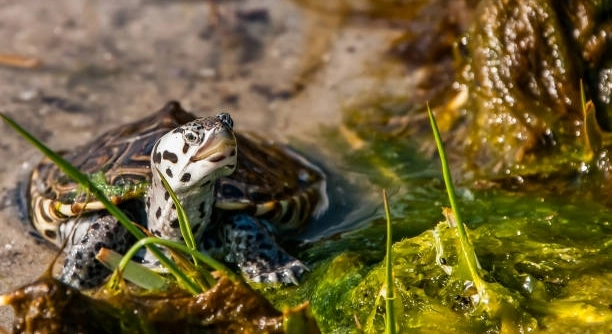
Diamondback terrapins are fascinating creatures, but if you’ve noticed that yours tends to hide in the morning, it may seem puzzling. Understanding their behavior can help improve their overall well-being and your experience as a pet owner.
The most common reason your diamondback terrapin hides in the morning is that it follows a natural circadian rhythm. Terrapins are more active during the warmer parts of the day and may prefer the cooler, more peaceful mornings for rest and security.
Understanding these behavioral patterns is key to providing the best care for your terrapin. With a few adjustments, you can help ensure a healthier and more comfortable environment for your pet.
Why Do Terrapins Hide in the Morning?
Terrapins are known for their unique habits, and hiding in the morning is one of them. This behavior is largely influenced by their natural instincts. In the wild, they often seek shelter to avoid predators and conserve energy during cooler hours. In captivity, this pattern might continue. If your diamondback terrapin hides in the morning, it’s simply following its instinct to rest during a less active part of the day. Terrapins are more likely to be active later in the day, when temperatures are warmer and more comfortable for movement and feeding. Additionally, they may feel more secure in a hidden space, where they can retreat and feel safe. This is a natural and healthy behavior that shouldn’t be a cause for concern.
It’s also important to remember that diamondback terrapins, like many reptiles, need a specific environmental setup to thrive. A stable habitat that mimics their natural conditions encourages them to follow their biological rhythms, including hiding in the morning.
Creating the right environment for your terrapin can make a big difference in its overall behavior and health. Proper temperature regulation, hiding spots, and a balanced diet are key to ensuring your pet feels secure and content.
Temperature and Light Play a Major Role
The temperature in your terrapin’s habitat can influence its activity. Terrapins, like many reptiles, rely on external heat sources to regulate their body temperature. If the water or basking area is too cold in the morning, your terrapin might retreat to a hiding place for warmth. In the wild, these creatures often seek out warmth as the day progresses, but in captivity, they may need more help with heating to ensure they are comfortable and active.
Adjusting the light and heat in your terrapin’s environment is an easy way to help it maintain a healthy routine. If you notice your pet hiding more often during certain hours, ensure its basking area is warm enough. Adding an appropriate UV light can also promote natural behaviors, like basking and foraging, that are essential for your terrapin’s well-being. By paying attention to these simple environmental factors, you can help your terrapin feel more comfortable and reduce stress in its daily routine.
Importance of Proper Hiding Spots
Terrapins need a place to hide, especially in the morning when they’re not as active. Providing a hiding spot allows your pet to feel safe and secure. This is an important behavior for their well-being, as it mimics their natural instinct to avoid threats.
If you haven’t already, consider adding a small, shaded area or a hiding box to your terrapin’s habitat. These spaces offer a retreat from the light, making your terrapin feel less exposed. A rock, submerged log, or plastic cave can provide just the right cover for them. Ensuring this space is easily accessible without too much disruption can keep your pet comfortable.
Moreover, creating a safe environment with hiding spaces encourages your terrapin to be more active when it’s time to come out. Knowing it has a secure area to retreat to reduces stress, which in turn improves its overall health and energy levels.
Feeding Habits Affect Morning Behavior
The timing and frequency of meals can impact when your terrapin becomes active. Many terrapins are more likely to hide during the morning if they aren’t hungry yet or if they’ve recently eaten. Their natural feeding pattern involves periods of rest, followed by bursts of activity.
Try to avoid feeding your terrapin first thing in the morning if you notice it frequently hiding. Instead, wait until later in the day to offer food. Feeding your terrapin in the afternoon or evening might help it stay more active during the daytime, as it will have more energy. Additionally, try to feed it a balanced diet, ensuring it doesn’t feel sluggish or overfed. Adjusting meal times to better fit your terrapin’s rhythms can make a noticeable difference in its behavior throughout the day.
Stress and Anxiety Can Be Factors
Terrapins, like many animals, can experience stress and anxiety, especially when they feel threatened or unsettled. If there’s too much noise or movement around their enclosure in the morning, they might hide to escape it.
Changes in their environment can also cause your terrapin to seek refuge. If you’ve recently moved its habitat or added new elements, it might take time to adjust. Make sure the area is calm and quiet during the morning hours to help your pet feel secure and reduce stress. This helps them behave more naturally and avoid hiding.
Health Considerations for Terrapins
If your terrapin’s morning hiding becomes more frequent or lasts longer than usual, it might be a sign of an underlying health issue. Reduced activity and hiding could indicate problems like shell rot, respiratory infections, or parasites. If you notice other signs of illness, such as lethargy or changes in eating habits, a visit to the vet is recommended.
Early detection of health problems can help prevent more serious conditions from developing. Regular check-ups and maintaining proper water conditions are essential in keeping your terrapin healthy. This also ensures it’s not hiding due to discomfort or illness.
Hydration and Temperature Balance
Your terrapin’s hydration and temperature levels play a big role in its behavior. If the water temperature is too low in the morning, your terrapin may hide to avoid the uncomfortable cold. Make sure the water stays at a consistent, warm temperature throughout the day.
Also, ensure your terrapin has access to both a basking area and a cool area to regulate its body temperature. A temperature imbalance could cause it to seek shelter. Proper water filtration is equally important to maintain good water quality, which can influence your pet’s overall activity levels.
FAQ
Why does my terrapin hide more than usual in the morning?
If your terrapin hides more in the morning, it could be due to its natural circadian rhythm. Terrapins are often more active during the warmer parts of the day, so they may retreat to a safe spot when temperatures are cooler. It’s a natural behavior to seek shelter during these times.
What temperature should my terrapin’s tank be?
Terrapins thrive in water temperatures ranging from 75°F to 80°F (24°C to 27°C) during the day. At night, a slight drop to 70°F (21°C) is acceptable. A proper basking spot should be around 85°F (29°C). Consistent temperatures encourage your terrapin to stay active throughout the day.
How can I reduce stress for my terrapin?
Minimizing stress is important for your terrapin’s well-being. To reduce stress, ensure its environment is quiet and calm, with minimal disturbances. Avoid handling your terrapin too much, especially during the morning hours when it may be more vulnerable. Provide hiding spots, and ensure the water is clean and properly heated.
How much should I feed my terrapin?
Your terrapin’s diet should consist of a balanced mix of commercial turtle pellets, leafy greens, and occasional protein sources like earthworms or fish. Feed your terrapin once a day, but adjust the quantity based on its size and activity level. Overfeeding can make your pet sluggish, while underfeeding can cause malnutrition.
Is it normal for my terrapin to hide all day?
It’s not typical for a terrapin to hide all day unless there are specific conditions that may cause it to retreat. Factors such as improper temperature, stress, illness, or a change in its environment could be causing your terrapin to stay hidden. If this behavior persists, consider a vet visit.
What are the signs that my terrapin might be sick?
Common signs of illness in terrapins include reduced appetite, lethargy, swollen eyes, abnormal swimming behavior, and changes in shell appearance (e.g., soft spots, discoloration). If you notice any of these symptoms, it’s important to consult a veterinarian to address any potential health issues.
Can I use a heat lamp for my terrapin?
Yes, a heat lamp is essential for providing your terrapin with a proper basking area. It helps regulate their body temperature and aids in digestion. Ensure the lamp is positioned above a dry basking spot, and the temperature reaches around 85°F (29°C) for optimal comfort.
How can I tell if my terrapin is happy?
A happy and healthy terrapin will be active during appropriate times of the day, swim around, and bask regularly. It should have a healthy appetite and move freely within its tank. Avoid hiding for long periods unless it’s sleeping or resting. Behavioral changes can signal discomfort.
How often should I change my terrapin’s water?
Water quality is crucial for your terrapin’s health. Change 25-50% of the water every week to maintain good water quality. Ensure the water is filtered to reduce debris and waste. Frequent water changes prevent the buildup of harmful bacteria and chemicals that could harm your pet.
Should I give my terrapin any supplements?
While a well-balanced diet should provide your terrapin with the nutrients it needs, some pet owners choose to give calcium supplements, especially if their terrapin has a soft shell or is not getting enough calcium from food. Always consult a veterinarian before adding supplements to your terrapin’s diet.
Final Thoughts
Understanding why your Diamondback Terrapin hides in the morning is essential for ensuring its health and well-being. Often, hiding is a natural behavior, as these creatures feel safer during the cooler hours when they’re less active. Offering them hiding spots, proper lighting, and temperature control can make a significant difference in their behavior. Keep in mind that what you observe is often linked to their instincts, and providing a secure environment can help them feel comfortable and reduce stress.
It’s important to be mindful of the factors that could influence your terrapin’s morning behavior. Stress, health issues, and even feeding habits can all play a role in when and why your terrapin hides. For example, if it’s hiding more than usual, there may be environmental changes, such as a drop in temperature or water quality, that are affecting its comfort. Regularly maintaining your terrapin’s tank, providing proper heating, and observing changes in behavior can help prevent underlying issues. If you suspect something is wrong, a checkup with a veterinarian is always a wise choice.
In the end, paying attention to your terrapin’s routine and adjusting the environment as needed will ensure that it stays active and healthy. Creating a balanced habitat with the right temperature, lighting, and feeding schedule can encourage your pet to feel more confident and less inclined to hide during the morning. While hiding may be a normal behavior, addressing any factors that may be contributing to excessive hiding can improve your terrapin’s overall quality of life.

Hello,
If you enjoy the content that we create, please consider saying a "Thank You!" by leaving a tip.
Every little bit helps us continue crafting quality advice that supports the health, happiness, and well-being of pets around the world, for pets of all shapes, sizes, and species.
We really appreciate the kindness and support that you show us!