
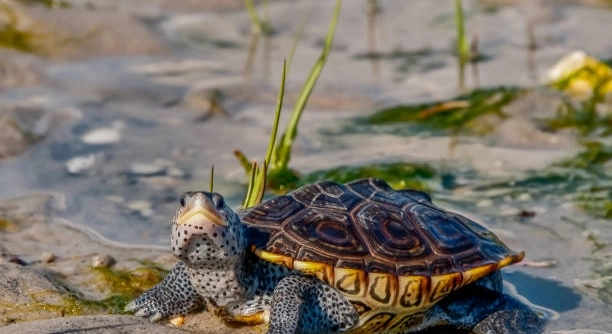
Providing UV light for diamondback terrapins is essential for their overall health and well-being. These reptiles require proper lighting to support their growth, metabolism, and shell strength, mimicking their natural environment in captivity.
UV light benefits diamondback terrapins by aiding calcium absorption, promoting healthy shell development, and supporting immune function. Without it, terrapins can face health issues like metabolic bone disease, weakened shells, and compromised growth, affecting their quality of life.
By ensuring your terrapin receives adequate UV exposure, you’re creating a healthier and happier habitat for your aquatic companion.
Promotes Strong Shell Development
Providing UVB lighting is crucial for diamondback terrapins because it helps them synthesize vitamin D3, which aids in calcium absorption. Adequate calcium is vital for maintaining a strong, healthy shell, preventing issues like softness or deformities commonly linked to improper lighting.
Ensuring proper lighting levels mimics their natural habitat, giving them the essentials they need for a thriving life in captivity.
By investing in a reliable UVB light source and monitoring its effectiveness, you’re taking an active step toward ensuring your terrapin’s long-term health. Regularly check the bulb’s output to maintain its benefits.
Boosts Metabolism and Growth
UV lighting doesn’t just benefit their shell—it also supports overall metabolism and growth.
The exposure to UVB helps regulate their natural processes, ensuring they grow at a healthy rate and avoid complications such as stunted growth or metabolic issues. This lighting setup is particularly important for young terrapins who are in their most critical growth stages.
Terrapins in the wild naturally bask in sunlight, soaking up both UVB and UVA rays. Replicating this environment ensures they receive the nutrients and energy required for daily activities. Along with a balanced diet, UV light plays a foundational role in keeping your terrapin vibrant and active.
Supports Immune Function
UVB light exposure plays an essential role in keeping terrapins’ immune systems strong. Without it, their bodies may struggle to fight off common infections, leaving them vulnerable to health complications.
Incorporating UVB lighting ensures your terrapin absorbs the nutrients needed to stay healthy. Vitamin D3 produced through UV exposure not only strengthens their bones but also supports a robust immune response. This lighting setup, when paired with a clean tank and nutritious diet, creates the ideal environment for their well-being. A terrapin with a well-supported immune system will display active behaviors, bright eyes, and smooth skin, all indicators of their thriving health. Regular UV exposure can significantly reduce the risk of illnesses and keep your terrapin feeling its best.
Proper lighting combined with consistent care can make a noticeable difference in their overall vitality and ability to fend off infections effectively.
Encourages Natural Behaviors
Terrapins exposed to UV light exhibit more natural behaviors, such as basking and exploring their environment.
These behaviors are essential for their mental and physical health. Basking not only provides heat but also encourages UV absorption, which is vital for digestion and relaxation. A well-lit tank promotes activity, enhancing their overall well-being.
Creating an environment that mimics their natural habitat helps terrapins thrive. When provided with a basking area equipped with UV lighting, they feel more secure and are less likely to show signs of stress or lethargy. Pairing this setup with engaging elements like rocks and plants encourages exploration and keeps them mentally stimulated. A terrapin displaying natural behaviors is happier and healthier, making it clear how important proper UV lighting is to their care routine.
Improves Digestion
UV lighting encourages basking, which aids in maintaining optimal body temperature for digestion. Without proper UV exposure, terrapins may struggle to process their food effectively, leading to discomfort or nutritional deficiencies over time.
A warm basking spot combined with UVB lighting helps terrapins digest meals efficiently, promoting better nutrient absorption and overall health.
Reduces Stress
Terrapins that bask under UV light often show reduced signs of stress. The light provides a sense of security and supports their natural routines, helping them feel at ease in their habitat.
Proper UV exposure also minimizes the risk of lethargy and irregular behaviors, creating a calm and stable environment for your terrapin.
Enhances Coloration
UV lighting improves a terrapin’s natural coloration, making their shells and skin appear more vibrant.
Consistent exposure to UVB light supports pigment development, showcasing their unique and beautiful patterns in full detail.
FAQ
How long should I provide UV light for my diamondback terrapin?
UVB light should be provided for 10-12 hours per day to mimic the natural light cycle. Terrapins thrive when their environment closely matches their natural habitat. Consistency is key, so ensure the light is on for a specific time each day and off at night to establish a regular day-night cycle.
Can my terrapin get too much UV light?
While UVB is essential, too much exposure can be harmful. Overexposure can lead to burns or other skin problems. It’s important to maintain proper distances between the UV light source and the terrapin’s basking area. Always follow the manufacturer’s recommendations for optimal placement.
What type of UV light is best for a diamondback terrapin?
A high-quality UVB bulb designed for reptiles is essential. These bulbs emit the necessary UVB rays for vitamin D3 synthesis. Make sure to select a bulb that provides both UVA and UVB rays, as UVA also supports natural behaviors like basking.
Do I need a special light fixture for UVB bulbs?
Yes, you will need a fixture that can safely hold UVB bulbs. The light fixture should be compatible with the specific bulb size and type. It should also be positioned at an appropriate distance from the basking area to ensure effective exposure.
How often should I replace UV bulbs for my terrapin?
UVB bulbs lose their effectiveness over time, even if they still emit visible light. It’s generally recommended to replace UVB bulbs every 6-12 months, depending on the manufacturer’s instructions. Regular replacement ensures your terrapin receives consistent UV exposure.
Do I need to provide UVB light at night?
No, terrapins need a clear day-night cycle. UVB lights should be turned off at night to allow them to rest and sleep naturally. Nighttime light, especially UVB, can disrupt their sleep patterns and affect their overall health.
Can UV light alone meet my terrapin’s vitamin D needs?
UVB light helps your terrapin synthesize vitamin D3, which is essential for calcium absorption. However, it’s also crucial to provide a balanced diet rich in calcium and other nutrients to fully support their health. UVB light alone isn’t enough for proper nutrition.
How do I know if my terrapin isn’t getting enough UVB light?
Signs of inadequate UVB light include lethargy, a lack of appetite, difficulty shedding, soft or deformed shells, and swollen limbs. If you notice these symptoms, check the UVB light’s output and ensure it’s positioned correctly for maximum effectiveness.
Can I use regular household light bulbs for my terrapin’s tank?
Regular light bulbs are not sufficient for providing UVB rays. You need a specific UVB bulb designed for reptiles. Regular household bulbs may offer light but lack the necessary wavelengths to support your terrapin’s health.
Should I use a heat lamp along with the UV light?
Yes, heat lamps are beneficial for providing a basking spot at the appropriate temperature. UVB light helps with vitamin D3 synthesis, while the heat lamp offers warmth essential for digestion and natural behaviors. Ensure both light sources are correctly positioned.
Is it safe to use a UV light in an aquarium?
Yes, but ensure your UV light is appropriately positioned above the water surface. UVB rays don’t penetrate water very well, so place the light over the basking area where your terrapin can soak in the rays.
How can I measure UVB output?
You can use a UV meter to measure the output of your UVB light. These devices are specifically designed to assess UV radiation levels, ensuring your terrapin is getting the right amount. Alternatively, monitor your terrapin’s health to spot any signs of insufficient light exposure.
Can my terrapin get UV exposure from natural sunlight?
Yes, natural sunlight can provide UVB exposure, but only if your terrapin can bask in it directly. Ensure they are in an area with proper outdoor sunlight and are not at risk of overheating. However, be cautious of extreme temperatures or harsh sun.
Does the type of tank affect UV light effectiveness?
Yes, glass and acrylic tanks can block a significant amount of UVB rays. If you’re using a glass or acrylic tank, make sure the UVB light is positioned close enough to the basking area to compensate for this blockage. Consider using mesh-topped tanks for better light penetration.
Can I use a UVB light for multiple terrapins in the same tank?
Yes, but ensure that all terrapins have access to the basking area where the UVB light is directed. Multiple terrapins may require a larger basking space or multiple light sources to ensure even exposure and avoid competition for the optimal basking spot.
What if my terrapin doesn’t bask under the UV light?
If your terrapin isn’t basking, it may be an indication that the light is not positioned correctly or isn’t providing enough warmth. Check the temperature and light intensity in the basking area to ensure it meets your terrapin’s needs. Sometimes, adding more hide spots or improving tank setup can encourage basking.
Final Thoughts
Providing UV light for your diamondback terrapin is an essential part of ensuring their well-being. This lighting supports various aspects of their health, including digestion, stress reduction, and overall vitality. UVB rays help them synthesize vitamin D3, which is crucial for calcium absorption and bone health. Without proper UV exposure, your terrapin may face health issues such as weakened bones, poor shell development, and lethargy. Consistent and correct UV lighting is not just a luxury but a necessity for their proper care.
Remember, it’s not just about having any light in the tank; the right kind of UVB light needs to be used. UVB bulbs are specifically designed for reptiles and are necessary to provide the correct wavelengths for your terrapin’s health. The light should be placed at an appropriate distance from the basking area to ensure that your terrapin gets the right amount of exposure. Overexposure or incorrect positioning can cause harm, so be sure to follow the manufacturer’s guidelines for your specific bulb and tank setup.
While UV light is important, it’s equally important to maintain a balanced care routine. Proper diet, temperature regulation, and clean water should also be prioritized alongside UV lighting. By ensuring your terrapin has a well-rounded environment with all their needs met, you’ll be setting them up for a healthier and happier life. Understanding how UV light impacts their health is the first step in providing the best possible care. With attention to detail and proper equipment, you can give your terrapin the best possible environment for thriving.

Hello,
If you enjoy the content that we create, please consider saying a "Thank You!" by leaving a tip.
Every little bit helps us continue crafting quality advice that supports the health, happiness, and well-being of pets around the world, for pets of all shapes, sizes, and species.
We really appreciate the kindness and support that you show us!