
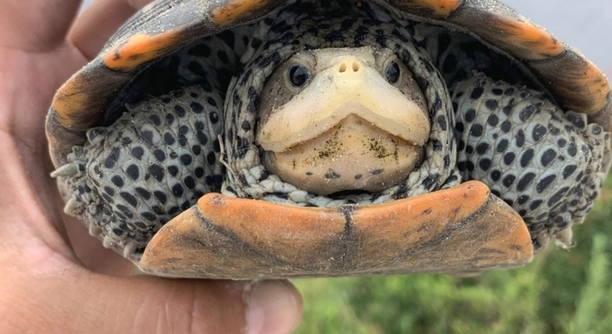
Have you ever wondered what it takes to handle a diamondback terrapin? These fascinating turtles require specific care and attention, making it important to understand their unique needs before taking on the responsibility.
Diamondback terrapins are semi-aquatic turtles that thrive in brackish water environments. Proper handling involves understanding their dietary needs, habitat requirements, and behaviors. Knowledge of their legal protections and conservation status is also essential to ensure responsible care.
Understanding these key aspects will prepare you for a rewarding experience with these captivating creatures and support their well-being.
Understanding Diamondback Terrapin Habitat
Diamondback terrapins are native to brackish waters along the Atlantic and Gulf coasts of the United States. They thrive in marshes, estuaries, and tidal creeks, where salinity levels are ideal for their survival. Creating a suitable habitat involves mimicking these conditions with a mix of fresh and salt water. It’s crucial to maintain water quality, provide basking areas, and include appropriate vegetation. Terrapins are sensitive to changes in their environment, so regular maintenance is essential to prevent stress or health issues. A well-balanced habitat ensures these turtles remain healthy and active.
Providing a proper habitat begins with understanding their needs and preferences. Water temperature, salinity, and filtration should be carefully monitored. This attention to detail ensures a safe environment for your terrapin.
Setting up a terrapin habitat requires planning, but the reward of seeing them thrive makes it all worthwhile. Their unique behaviors are captivating to observe.
Feeding Requirements for Diamondback Terrapins
Diamondback terrapins are omnivorous, requiring a diet that includes protein, vegetables, and occasional fruits. A healthy diet is vital for their growth and overall health.
Their diet consists of aquatic snails, small fish, shrimp, and commercial turtle pellets, which provide essential nutrients. It’s equally important to offer leafy greens and vegetables for added fiber. Feeding them in a separate tank reduces waste and maintains water quality in their main habitat. Proper portion sizes are critical to avoid overfeeding and related health issues. Calcium supplementation, through cuttlebone or powdered forms, supports shell health and strength.
By offering a balanced and varied diet, you can ensure your terrapin’s nutritional needs are met. Regular observation of their eating habits helps detect potential issues early, allowing you to adjust their feeding routine as necessary.
Handling Techniques for Diamondback Terrapins
When handling diamondback terrapins, always support their body securely to avoid stress or injury. Avoid holding them by their limbs or tail, as this can harm them. Limit handling to necessary situations to minimize disruption to their routine.
Gently pick up your terrapin by placing your hands under its body, ensuring even support. Be mindful of their claws and beaks, as they may scratch or nip if they feel threatened. Keeping your movements slow and steady helps them stay calm. After handling, wash your hands thoroughly to prevent the spread of bacteria, such as salmonella, which terrapins can carry.
Reducing handling frequency allows terrapins to maintain their natural behavior and reduces their stress levels. When handling is necessary, such as for health checks or tank cleaning, staying gentle and patient ensures the process is smooth and safe for both you and the terrapin.
Legal and Conservation Considerations
Diamondback terrapins are protected in many areas due to declining populations caused by habitat loss and overharvesting. Researching local regulations is critical before acquiring one. Understanding these laws ensures you’re contributing to their conservation rather than unintentionally harming their survival.
Some regions require permits to own terrapins, while others may prohibit their ownership entirely. Additionally, it’s important to source terrapins responsibly, avoiding illegal trade or wild-caught specimens. Supporting ethical breeders helps protect wild populations. Conservation efforts, such as preserving their natural habitats and participating in educational programs, can also make a significant difference.
Taking time to understand and comply with these legal and ethical responsibilities benefits not only the terrapin but also the ecosystems they inhabit. By promoting responsible ownership and conservation, you can play a small yet meaningful role in protecting these unique turtles for future generations.
Common Health Concerns
Diamondback terrapins are prone to shell rot, which occurs when their shell is exposed to prolonged moisture or poor water conditions. Regular tank maintenance and dry basking spots help prevent this issue, keeping their shell healthy.
Respiratory infections can arise from incorrect temperatures or poor water quality. Signs include wheezing or lethargy. Immediate veterinary care is essential for effective treatment and recovery.
Enrichment for Diamondback Terrapins
Providing enrichment keeps terrapins mentally stimulated and physically active. Add features like rocks, plants, and hiding spots to their habitat. These elements encourage natural behaviors like basking and exploring, which are essential for their well-being.
Cleaning and Maintenance
Keeping their habitat clean reduces stress and prevents health issues. Perform regular water changes, clean filters, and remove uneaten food to maintain a healthy environment.
FAQ
How often should I feed my diamondback terrapin?
Feed juvenile terrapins daily, providing a mix of protein and vegetables. Adults should be fed every two to three days to maintain a healthy weight. Avoid overfeeding to prevent obesity and other health issues.
What water conditions do diamondback terrapins need?
Diamondback terrapins require brackish water, a mix of fresh and salt water. Maintain a salinity level between 1.005 and 1.015 specific gravity. Use a reliable hydrometer to monitor salinity and ensure water is clean with a quality filtration system.
How can I tell if my terrapin is stressed?
Signs of stress include lack of appetite, lethargy, and excessive hiding. Poor water conditions, inadequate habitat, or overhandling often cause stress. Address these factors immediately to help your terrapin feel secure and regain normal behavior.
Do terrapins need a heat lamp?
Yes, terrapins require a heat lamp to maintain proper body temperature and support metabolic functions. Position the lamp over a basking area, keeping the temperature around 85–90°F. This setup helps mimic their natural environment.
What should I do if my terrapin refuses to eat?
Check for signs of illness, such as lethargy or unusual behavior. Ensure the habitat meets temperature and salinity requirements. If the terrapin continues to refuse food, consult a veterinarian for further guidance and treatment options.
Are diamondback terrapins social animals?
Terrapins are generally solitary and may show aggression toward others when housed together. If you have multiple terrapins, provide ample space and hiding areas to minimize stress and potential conflicts.
How often should I clean their tank?
Perform partial water changes weekly and deep-clean the tank monthly. Remove debris and scrub surfaces to prevent the buildup of harmful bacteria. Regular maintenance ensures a healthy environment for your terrapin.
What size tank do diamondback terrapins need?
A single adult terrapin needs a tank of at least 75 gallons. Larger tanks are better, especially for multiple terrapins. Providing ample swimming and basking areas ensures they have enough room to thrive.
Can I keep a diamondback terrapin with other species?
It’s best to avoid housing terrapins with other species. Differences in environmental needs, aggression, and potential disease transmission can create problems. A species-specific habitat is safer and ensures all their requirements are met.
Do diamondback terrapins need UVB lighting?
Yes, UVB lighting is essential for calcium absorption and shell health. Provide UVB light for 10–12 hours daily, ensuring it covers their basking area. Replace bulbs every six months, as UV output diminishes over time.
How long do diamondback terrapins live?
In captivity, with proper care, terrapins can live 20–40 years. A well-maintained habitat, balanced diet, and regular health checks significantly contribute to their longevity and quality of life.
Are diamondback terrapins good for beginners?
Terrapins are not ideal for beginners due to their specialized care needs, including habitat setup and maintenance. However, with research and dedication, they can be rewarding pets for those willing to meet their requirements.
Final Thoughts
Caring for a diamondback terrapin requires dedication, proper knowledge, and consistent attention to detail. From maintaining their brackish water habitat to providing a balanced diet and essential lighting, every aspect of their care contributes to their health and happiness. These turtles are unique and fascinating creatures, but they come with responsibilities that require time and effort. Understanding their specific needs ensures they thrive in a captive environment while remaining stress-free and active.
Their long lifespan means keeping a terrapin is a commitment that lasts decades. It’s crucial to plan for the long term, ensuring you have the resources, space, and knowledge to care for them as they grow. Regular veterinary checkups, along with proper habitat maintenance, will help prevent common health issues. Taking these steps not only benefits the terrapin but also makes the experience of keeping them as a pet far more rewarding.
With the right care, diamondback terrapins can bring a sense of connection to nature and marine life. Whether you’re captivated by their beauty or intrigued by their behavior, these turtles offer a unique glimpse into the aquatic world. Providing them with a safe and enriching environment allows them to live fulfilling lives while giving you the joy of observing their fascinating habits.

Hello,
If you enjoy the content that we create, please consider saying a "Thank You!" by leaving a tip.
Every little bit helps us continue crafting quality advice that supports the health, happiness, and well-being of pets around the world, for pets of all shapes, sizes, and species.
We really appreciate the kindness and support that you show us!