
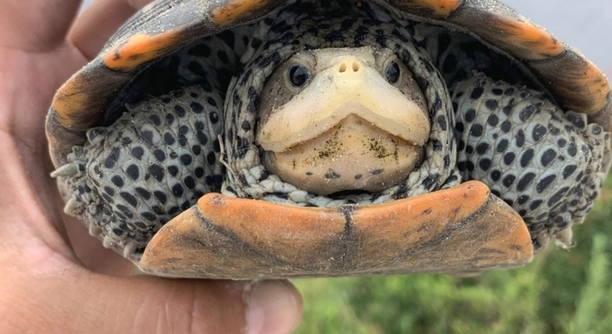
Do you have a Diamondback Terrapin at home and wonder if it’s growing as it should?
If your Diamondback Terrapin is not growing properly, it could be a sign of health or environmental issues. Factors like diet, temperature, and tank size play an important role in their growth. Identifying these signs early is essential for their well-being.
Proper growth in your terrapin is key to its overall health. Knowing the signs of potential problems can help you act quickly to ensure your pet thrives.
Inadequate Diet Can Slow Down Growth
A poor diet is one of the most common reasons for your Diamondback Terrapin not growing as it should. Terrapins require a balanced diet that includes both animal-based and plant-based foods. If they are fed too much of one type of food or not enough variety, it can lead to stunted growth. Their diet should be rich in protein, vitamins, and calcium to support their bones and shell development. If they are not getting enough of these nutrients, you may notice signs like poor shell growth or lethargy. It’s important to offer a mix of high-quality commercial pellets, live food like worms or fish, and leafy greens.
A proper diet not only promotes growth but also strengthens your terrapin’s immune system, keeping them healthy. Providing variety and adjusting the feeding routine is key to making sure they receive all essential nutrients.
Terrapins can also be sensitive to changes in their diet. If you switch their food too often or without proper adjustments, it might cause digestive issues that can impact their growth. To avoid this, aim for consistency with their food choices and gradually introduce new items to their meals. Regularly offering a mix of proteins, greens, and calcium supplements will help maintain a healthy, balanced diet. It’s crucial to research the right types of food and portion sizes to keep your terrapin growing steadily.
Improper Tank Conditions
Tank conditions can make a big difference in your terrapin’s growth. Without the right temperature, lighting, and water quality, your pet’s growth could slow down. Terrapins need a specific range of temperatures to thrive, typically between 75°F and 85°F (24°C to 29°C) for the water. If the water is too cold, it can cause your pet to become sluggish, reduce its appetite, and stunt growth.
Along with temperature, the tank should have proper filtration to keep the water clean. Dirty water can cause stress and even lead to illnesses, affecting your terrapin’s health and growth rate. Regular water changes are necessary for optimal growth.
Providing a basking area with a heat lamp is also important. Your terrapin needs a spot to dry off and warm up under the light, which helps with digestion and overall health. Without it, your pet may not grow at the right pace. Regular monitoring of water parameters and the basking area can help ensure the right conditions for growth. You may also want to invest in a water thermometer and a reliable filter to keep the tank environment stable. If the tank’s conditions are not right, your terrapin will have a harder time thriving and reaching its full growth potential.
Health Problems Can Affect Growth
If your Diamondback Terrapin is not growing properly, it may be dealing with an underlying health issue. Common problems include parasites, infections, or metabolic bone disease. These conditions can cause slow or stunted growth. Infections can affect their appetite and energy levels, making it harder for them to grow.
Parasites, in particular, are a common concern. They can drain essential nutrients from your terrapin’s body, slowing down growth and causing lethargy. Symptoms of illness may include abnormal behavior, lack of appetite, or swollen eyes. If you notice any of these signs, a visit to the vet is necessary.
Metabolic bone disease (MBD) is another serious issue. It occurs when your terrapin doesn’t get enough calcium or UVB light. Over time, MBD can result in weak bones and shells, leading to abnormal growth. Regular check-ups with a reptile veterinarian can help identify any health issues early, allowing for quicker treatment.
Stress Can Stunt Growth
Stress can significantly affect your terrapin’s growth. If they are constantly under stress, they may stop eating and refuse to bask, which slows down their development. Stress can come from various sources, such as sudden temperature changes, overcrowded tanks, or aggressive tank mates.
Overcrowding is a common stressor. When there is too much competition for space or food, it can create an environment that is not conducive to healthy growth. It’s important to monitor the number of terrapins in the tank and ensure each one has enough space to move around comfortably.
Aggression from other tank mates can also cause stress. Diamondback Terrapins can be territorial, especially during mating season, and conflict may arise. If you notice constant fighting or signs of injury, it may be time to separate them. Creating a peaceful environment is crucial for their growth and well-being.
Incorrect Lighting
Incorrect lighting can directly impact your terrapin’s growth. Terrapins need both UVB and UVA light to properly metabolize calcium and maintain healthy bone development. Without these essential lights, your pet could develop metabolic bone disease.
UVB light is especially important, as it helps your terrapin produce Vitamin D3, which is necessary for calcium absorption. Without proper UVB light, their bones and shell will weaken, causing growth problems. Ensure the light source is the right strength and positioned at the proper distance.
Poor Water Quality
Dirty water can lead to health problems that impact your terrapin’s growth. If the water isn’t filtered well or cleaned regularly, bacteria and toxins can build up, leading to infections or stress.
Maintaining good water quality is crucial for preventing skin issues, eye infections, or parasites. A reliable filter and routine water changes are essential for keeping the environment safe. Regularly testing the water for ammonia, nitrites, and nitrates can help ensure the water remains clean and healthy for your terrapin.
Tank Size
The size of the tank matters a lot for your terrapin’s growth. If the tank is too small, it can limit their movement and cause stress, which can, in turn, slow down growth.
A larger tank gives them more room to roam, swim, and bask, which helps them stay active and healthy. Make sure the tank is large enough for your terrapin to grow into, with space for a basking area and water section.
FAQ
What is the ideal water temperature for a Diamondback Terrapin?
The ideal water temperature for a Diamondback Terrapin should range from 75°F to 85°F (24°C to 29°C). If the water is too cold, your terrapin may become lethargic, stop eating, or show slow growth. Conversely, if the water is too warm, it could stress your pet and lead to health problems. It’s important to keep the water temperature within this range to ensure your terrapin stays active, healthy, and continues growing.
How can I tell if my Diamondback Terrapin is sick?
Signs that your terrapin may be sick include lack of appetite, swollen or cloudy eyes, abnormal behavior (like lethargy or hiding), and changes in the shell such as softening or deformities. If you notice any of these signs, it’s essential to seek veterinary care as soon as possible. Illnesses can quickly impact growth and health, so early detection is important for proper treatment.
How often should I feed my Diamondback Terrapin?
Young Diamondback Terrapins should be fed more frequently, around every day or every other day. As they grow, you can reduce the feeding frequency to two to three times a week. Overfeeding can lead to obesity or other health issues, while underfeeding can stunt growth. Offering a balanced mix of animal protein, leafy greens, and calcium-rich food is key.
Can my Diamondback Terrapin live with other turtles?
Yes, but it depends on the species and tank size. Diamondback Terrapins can live with other non-aggressive species in a large enough tank. However, if your tank is small or your other turtles are aggressive, it may cause stress, which can impact growth. Always monitor their behavior closely and ensure there’s enough space for each turtle to bask and swim.
What should I do if my Diamondback Terrapin isn’t growing?
If your terrapin isn’t growing, first check its diet, tank conditions, and overall health. Make sure it’s receiving the right nutrients, like calcium and protein, and that the water temperature and lighting are appropriate. If conditions are correct and your terrapin is still not growing, it may be time to consult a veterinarian for a health check.
How long does it take for a Diamondback Terrapin to reach full size?
Diamondback Terrapins grow slowly. Typically, it takes several years to reach full size, which can range from 6 to 9 inches. Growth can be affected by diet, environmental factors, and health. With the right care, you can help your terrapin grow at a healthy rate, but don’t expect rapid growth.
What kind of lighting does my Diamondback Terrapin need?
Your terrapin needs both UVB and UVA lighting to thrive. UVB light helps with calcium metabolism and Vitamin D3 production, which is crucial for healthy bone and shell development. UVA light helps with overall activity and behavior. A proper UVB light source should be provided for 10 to 12 hours a day, and you may need to replace the bulb every 6-12 months, as its UVB output decreases over time.
How big should the tank be for a Diamondback Terrapin?
For a single Diamondback Terrapin, a tank should be at least 40 gallons. As they grow, you may need a larger tank, especially if you keep more than one terrapin or other species. The tank should have both swimming space and a basking area. Proper tank size ensures your terrapin has enough room to grow and remain healthy.
Is it normal for my Diamondback Terrapin’s shell to be soft?
No, a soft shell is a sign of a calcium deficiency or lack of UVB light. Diamondback Terrapins need calcium for proper shell development, and UVB lighting is essential to help them absorb it. A soft shell is a serious issue and should be addressed immediately by adjusting diet and lighting or consulting a veterinarian.
What type of substrate should I use in my Diamondback Terrapin’s tank?
For a Diamondback Terrapin, it’s best to use a smooth substrate, such as river rocks or sand, to avoid injury to the shell or legs. Avoid sharp or small gravel, as your terrapin might ingest it by mistake. A sandy substrate can be used in the land area of the tank, but it’s important to ensure it’s clean and free of debris.
Can I use tap water for my Diamondback Terrapin’s tank?
Using tap water is generally safe as long as it’s dechlorinated. Many tap waters contain chlorine or chloramine, which can harm your terrapin. You can use a water conditioner to remove these chemicals or allow the water to sit for 24 hours before adding it to the tank. Regular water changes are also necessary to maintain water quality.
How do I maintain proper water filtration?
A reliable filter is essential to keep the water clean and safe for your terrapin. A good filter removes waste, food debris, and harmful chemicals. Make sure the filter is rated for the size of your tank and is capable of handling the water volume. Clean the filter regularly to prevent clogging and ensure it works efficiently. Regular water changes are also important to maintain water quality.
How do I provide my Diamondback Terrapin with proper basking?
Basking is important for your terrapin’s health, so ensure your tank has a dry area with a heat lamp. The basking area should be accessible for your terrapin and positioned under the lamp to provide heat and light. Aim for a basking temperature of around 90°F (32°C). This helps with digestion and promotes healthy shell growth.
Final Thoughts
Taking care of a Diamondback Terrapin involves more than just providing food and water. Their growth and overall health depend on various factors, including diet, environment, and attention to their specific needs. If you notice that your terrapin is not growing as expected, it could be due to several issues such as improper tank conditions, lack of proper lighting, or an inadequate diet. Identifying these problems early is important to address them before they affect your pet’s health in the long run. By maintaining the right water temperature, offering a balanced diet, and ensuring the tank environment is suitable, you can help your terrapin grow properly and live a healthy life.
It’s essential to remember that a healthy Diamondback Terrapin is a result of consistent care. Regularly monitoring the water conditions, lighting, and temperature is crucial for your terrapin’s growth and well-being. As your pet matures, it will need more space and adjustments in its care routine. Keeping the tank clean and providing proper UVB lighting will support the absorption of calcium, which is vital for shell and bone development. These small, consistent actions can make a big difference in ensuring that your terrapin grows at a healthy rate and avoids common health problems.
If you ever find yourself unsure about any aspect of your terrapin’s care, it’s always a good idea to consult a veterinarian who specializes in reptiles. They can provide guidance on diet, lighting, and tank conditions, as well as check for any underlying health issues that might be slowing your terrapin’s growth. Addressing concerns early and making necessary changes will not only improve your pet’s growth rate but also ensure that it enjoys a long, healthy life. Caring for a Diamondback Terrapin takes effort, but with the right steps, you can help your pet thrive.

Hello,
If you enjoy the content that we create, please consider saying a "Thank You!" by leaving a tip.
Every little bit helps us continue crafting quality advice that supports the health, happiness, and well-being of pets around the world, for pets of all shapes, sizes, and species.
We really appreciate the kindness and support that you show us!