
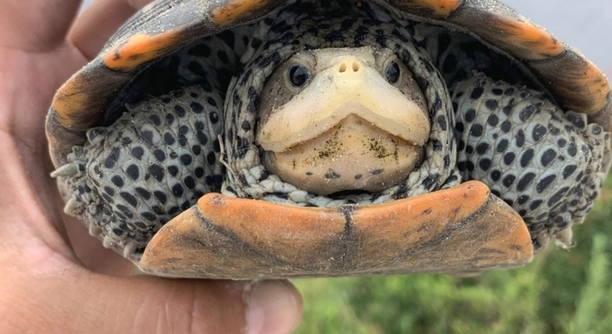
If you are considering getting a Diamondback Terrapin as a pet, it’s important to know what’s involved in their care. These turtles require specific environments and attention to stay healthy and happy. Proper research can help you provide the best home for them.
Before purchasing a Diamondback Terrapin, ensure you are aware of its habitat needs, diet, and potential lifespan. Understanding the commitment involved in caring for a turtle can help you decide if this pet is right for you.
Understanding the basics of their care is essential for a successful experience as a pet owner. By knowing what to expect, you can ensure both you and your new turtle enjoy a long and fulfilling relationship.
What You Need to Know About Their Habitat
Diamondback Terrapins thrive in a specific environment. They need both water and land areas in their habitat. A tank that mimics their natural environment, such as a mix of shallow water and a dry basking area, is essential. This will allow them to swim, sunbathe, and dig, which are all important for their health. The water should be clean and filtered, and the temperature needs to be maintained at the right level. Proper lighting is also key, as they rely on UVB light to absorb calcium. Without it, they can develop shell problems or other health issues.
A proper setup will make a big difference. A tank that is too small or lacks the correct features can lead to stress and illness. It’s important to ensure the space is large enough for them to move freely, and that it has spots for both swimming and basking.
By setting up a proper habitat, you are creating a safe and comfortable environment where your terrapin can thrive. Knowing how to manage the water, temperature, and lighting will help you provide a better life for your pet.
Feeding Requirements
Diamondback Terrapins need a varied diet. They are omnivores, so they eat both plants and animals. Their meals can include fish, shrimp, snails, and a variety of leafy greens, such as kale and water lettuce. They may also enjoy certain fruits in moderation.
These turtles can be picky eaters, and some may prefer specific types of food over others. Providing a balance of protein and vegetables will help keep them healthy. It’s important to offer fresh food daily and remove any uneaten portions to maintain a clean environment.
A varied diet supports the turtle’s shell growth and overall well-being. Over time, you will learn what your terrapin prefers and make adjustments. Keep in mind that feeding too much protein can lead to shell deformities, while not enough can cause nutritional deficiencies.
Lifespan and Growth
Diamondback Terrapins can live for several decades, often reaching 25 to 40 years in the wild if properly cared for. They grow slowly, and you’ll need to prepare for a long-term commitment. As they age, their size and food requirements will change. They can grow up to 10 inches in length, though some stay smaller.
As they mature, their diet and habitat needs will evolve. While young turtles are more active, adults prefer a quieter, more stable environment. Their growth rate depends on water quality, food availability, and general care. Over time, they may require larger tanks and more food.
Caring for an older terrapin involves monitoring its health and adjusting its habitat to keep up with its changing needs. Regular vet checkups will help catch any health issues early, ensuring they live a long and happy life.
Handling and Interaction
Diamondback Terrapins are not overly social animals. They don’t seek out interaction, and too much handling can cause stress. It’s best to handle them only when necessary, such as for cleaning or moving them to a new habitat.
Terrapins can become accustomed to humans but prefer to be left alone most of the time. Avoid trying to pick them up too frequently or for long periods. Their natural behavior is to retreat into their shells when feeling threatened. Overhandling may result in a more skittish turtle, making them less comfortable in their environment.
Respecting their space and understanding their need for solitude helps reduce stress. By providing a calm and consistent environment, you allow your terrapin to live comfortably. This results in a more content and healthier pet.
Health Monitoring
Regular health checks are crucial for keeping your Diamondback Terrapin in good condition. Pay attention to signs of illness, such as changes in eating habits or activity levels. Turtles are good at hiding discomfort, so being observant can help catch issues early.
You should monitor their shell regularly for cracks, soft spots, or unusual growth. Skin shedding should also be checked, as this can indicate stress or poor water quality. Proper diet and clean water help prevent many common health problems. Regular vet visits are recommended to ensure your terrapin stays healthy.
Shell Care
The shell is one of the most important parts of your terrapin’s body. A healthy shell is hard and smooth, free of cracks or abnormalities. To maintain shell health, offer a balanced diet with enough calcium and ensure proper UVB lighting.
A strong shell depends on proper nutrition and a suitable environment. Keep the water clean, as bacteria or parasites can cause issues. Scraping or damage to the shell may require veterinary care to prevent further harm. The condition of your terrapin’s shell reflects its overall health.
Tank Size
The size of the tank plays a huge role in your terrapin’s well-being. A small tank can cause stress and hinder their natural behaviors. A tank that is too small will restrict their movement and make them more prone to health problems.
A larger tank allows your terrapin to swim freely, bask, and explore. It’s recommended to provide at least a 40-gallon tank for an adult terrapin. Bigger is better when it comes to tank size, as it promotes exercise and mental stimulation.
FAQ
How often should I feed my Diamondback Terrapin?
Feeding your terrapin depends on its age and size. For younger terrapins, you should feed them every day, while adult terrapins typically eat every other day. A varied diet of both animal and plant matter is necessary. Ensure the food is fresh and clean, and remove any uneaten portions to keep the tank sanitary.
Can Diamondback Terrapins live with other pets?
Diamondback Terrapins are best kept alone or with other turtles of the same species. They can be territorial, and introducing other pets can lead to stress or fighting. If you do choose to house multiple terrapins together, ensure they have enough space and resources to avoid conflicts.
What kind of water should I use for my terrapin’s tank?
Your terrapin needs clean, dechlorinated water. Tap water often contains chlorine or other chemicals, which can harm your turtle. Use a water conditioner to remove chlorine or opt for bottled water designed for aquatic pets. Be sure to regularly change the water to keep it clean and safe.
How can I make sure my terrapin’s water stays at the right temperature?
Maintaining the right water temperature is crucial for your terrapin’s health. The ideal range is between 75-85°F (24-29°C). You can use a submersible aquarium heater to regulate the temperature. Make sure to monitor it regularly with a thermometer to prevent fluctuations that may cause stress.
Do I need to give my terrapin UVB lighting?
Yes, UVB lighting is essential for Diamondback Terrapins. It helps them produce vitamin D3, which is vital for calcium absorption. Without proper UVB light, your turtle could develop shell deformities or other health problems. Ensure your tank has a suitable UVB light source for about 10-12 hours per day.
How can I prevent my terrapin from getting sick?
Preventing illness starts with maintaining proper water quality and a balanced diet. Clean your tank regularly, replace the water, and provide enough space for your terrapin to swim and bask. If you notice any changes in behavior or eating habits, it’s best to consult a vet promptly.
What should I do if my terrapin’s shell looks damaged?
If you notice cracks, soft spots, or other damage to your terrapin’s shell, it’s important to act quickly. Small cracks can be treated with appropriate care, but larger ones may require veterinary attention. Keep the turtle’s habitat clean and monitor its condition closely until you can see a vet.
How big do Diamondback Terrapins get?
Adult Diamondback Terrapins typically reach sizes between 7 to 10 inches in length. The size depends on factors like diet, genetics, and habitat. A well-cared-for terrapin will grow steadily, though their growth may slow down as they reach adulthood.
Can I take my terrapin outside for exercise?
Yes, you can take your terrapin outside, but you should supervise them at all times. Make sure the outdoor environment is safe, with no predators or hazards that could harm your turtle. Also, ensure the temperature and weather conditions are suitable for your terrapin’s health.
How do I know if my terrapin is stressed?
Stress in Diamondback Terrapins can manifest in several ways, such as loss of appetite, lethargy, or excessive hiding. If your terrapin seems withdrawn or inactive, consider checking their habitat for potential stressors. A tank that’s too small, dirty, or overcrowded can lead to stress and other health problems.
What is the lifespan of a Diamondback Terrapin?
Diamondback Terrapins can live for 25 to 40 years, depending on their environment and care. In captivity, they can live even longer with proper care. Regular health checks, a balanced diet, and a clean habitat all contribute to their longevity.
Are Diamondback Terrapins easy to care for?
Diamondback Terrapins can be easy to care for if you provide them with the proper environment and diet. They require clean water, a basking area, and UVB lighting, as well as a balanced diet. Once you have set up their habitat, daily care mainly involves feeding and keeping the tank clean.
Do Diamondback Terrapins need a specific type of tank?
Yes, Diamondback Terrapins need a tank that includes both water and a dry basking area. A combination of shallow water for swimming and a flat surface for basking is essential. The tank should be large enough to accommodate your terrapin’s growth, allowing them to move freely.
Can Diamondback Terrapins eat fish?
Yes, Diamondback Terrapins can eat fish. They enjoy small fish like minnows or guppies, but they should be offered as part of a varied diet. Be sure the fish are free from parasites or chemicals, as these can harm your turtle.
How often should I clean my terrapin’s tank?
You should clean your terrapin’s tank at least once a week. This includes changing the water, scrubbing the tank walls, and removing waste and uneaten food. If you have a filter, clean it regularly to keep the water fresh and safe for your turtle.
Can I use a filter in my terrapin’s tank?
A filter is highly recommended for keeping the water clean. Terrapins produce waste, and a good filter helps remove debris and maintain water quality. Make sure the filter is suitable for your tank size, and clean it regularly to prevent clogging and maintain proper function.
What type of substrate is best for my terrapin’s tank?
The best substrate for your terrapin’s tank is one that is easy to clean and won’t pose a risk if ingested. Gravel, large river rocks, or smooth pebbles work well. Avoid using fine sand or small gravel, as these can be ingested and cause digestive problems.
Final Thoughts
Caring for a Diamondback Terrapin requires some effort, but it can be very rewarding. These turtles need a proper habitat, balanced diet, and regular attention to thrive. By setting up the right environment with clean water, a basking area, and suitable UVB lighting, you create a space where your terrapin can grow and stay healthy. A consistent routine of feeding, cleaning, and checking their health will help them live a long, happy life.
It’s important to remember that Diamondback Terrapins are a long-term commitment. They can live for several decades, so you should be ready for the responsibility. Regular health checks, appropriate nutrition, and ensuring their habitat is up to standard are all key to their well-being. If you are willing to dedicate the time and care needed, your terrapin can become a rewarding pet that adds enjoyment to your life for many years.
Finally, research and preparation are the keys to successful pet ownership. Understanding your terrapin’s needs, including its diet, water quality, and handling requirements, will ensure you meet all their essential needs. While they may not be as interactive as other pets, Diamondback Terrapins offer a unique experience. By providing them with a proper environment, you give them the best chance for a long, healthy life. This investment in care will be worth it, as you watch your terrapin thrive and grow over the years.

Hello,
If you enjoy the content that we create, please consider saying a "Thank You!" by leaving a tip.
Every little bit helps us continue crafting quality advice that supports the health, happiness, and well-being of pets around the world, for pets of all shapes, sizes, and species.
We really appreciate the kindness and support that you show us!