
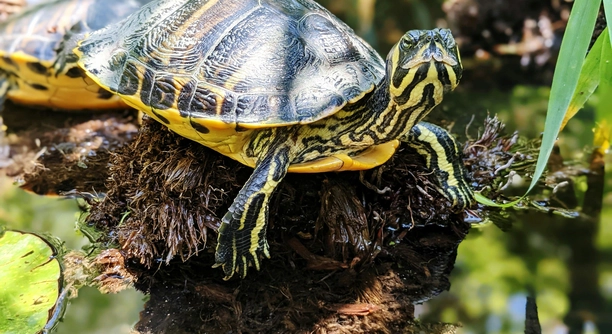
Yellow-Bellied Sliders are fascinating turtles that can make great pets. However, like all animals, they can experience health problems. One issue you might encounter with your slider is dehydration, which can affect their overall well-being.
Dehydration in Yellow-Bellied Sliders is often identified by a few key signs, including lethargy, sunken eyes, and dry, wrinkled skin. These signs indicate the turtle is not getting enough water, which is crucial for its health and proper function.
Recognizing these signs early can help prevent long-term health issues for your slider. Knowing how to spot dehydration can make a significant difference in keeping your pet healthy and happy.
Recognizing the Early Signs of Dehydration
When a Yellow-Bellied Slider begins to show signs of dehydration, it’s important to act quickly. The most common early indicators include a change in behavior, such as increased lethargy or reluctance to move around. Their energy levels may decrease, and they might spend more time resting. If your slider seems less active than usual, dehydration could be the cause. Additionally, a noticeable decrease in appetite may follow. They may seem uninterested in their food or may even refuse it altogether. If these behaviors continue, it’s essential to investigate further to ensure that dehydration isn’t affecting their health.
It’s vital to stay observant of your pet’s behavior changes, as early intervention can prevent more serious health issues down the road. Keeping their habitat moist and properly hydrated is key.
By providing fresh, clean water and maintaining proper humidity levels, you can help your slider stay hydrated. Regularly check for signs like dry, wrinkled skin or sunken eyes. These are clear signals that something is off. Hydration is crucial, and making sure your slider has access to water both in and out of the tank is essential for their well-being. In severe cases, dehydration can lead to even bigger problems, so taking action early on will make all the difference in ensuring a healthy, happy turtle.
How to Keep Your Slider Hydrated
One of the simplest ways to maintain hydration is through proper tank maintenance. Regularly change the water and ensure it’s the right temperature. A consistent water source helps prevent dehydration. Ensure your slider has access to water at all times.
A dry tank is a common problem for pet sliders. Without the right water levels, dehydration can quickly take hold. A tank that’s too dry or lacks enough water for your slider to soak in may lead to further health complications. Keeping a consistent water supply is essential to their well-being. Additionally, providing a shallow pool area where they can submerge themselves is a good practice. Sliders are aquatic creatures, so giving them the opportunity to swim and soak is a key factor in preventing dehydration. If they feel stressed or unable to get enough water, it can lead to dehydration and other related health problems. Keep their habitat as natural as possible, with access to both water and dry land for basking.
Sunken Eyes as a Sign of Dehydration
Sunken eyes are a clear warning sign of dehydration in a Yellow-Bellied Slider. When they don’t get enough water, their eyes begin to sink in, losing the natural round shape they typically have.
Dehydration causes the skin around their eyes to tighten, leading to a hollowed look. This is a noticeable sign that something isn’t right. A healthy, hydrated slider’s eyes should appear full and clear. If you notice a dramatic change, it’s time to check their water supply and hydration levels. This sign should not be ignored, as it can point to more serious dehydration issues.
Ignoring sunken eyes can result in long-term health problems for your slider. Without proper hydration, they won’t be able to digest food properly or maintain a healthy immune system. It’s essential to take immediate action if you spot this issue. Make sure their tank is appropriately set up with clean, accessible water and consider consulting a vet if the sunken eyes persist.
Dry, Wrinkled Skin on Your Slider
Dehydration can also show itself in the form of dry, wrinkled skin on your slider. This is usually one of the first noticeable physical changes when they are not getting enough water.
When a slider is dehydrated, the moisture in their skin decreases. This causes their skin to appear dull and shriveled. If your turtle is dehydrated for an extended period, their skin can become hard and flaky. It’s important to regularly check their skin, especially after periods of basking, as they tend to dry out faster when exposed to heat without proper hydration. Dry skin is a clear signal to address their water needs.
Taking care of a slider’s skin means providing them with a proper balance of humidity and water. If the skin becomes excessively dry or cracks, this could lead to infections or more severe health problems. To prevent this, ensure your slider has easy access to both water and a humid environment. Regular skin checks can catch dehydration early, preventing lasting damage.
Lethargy and Reduced Movement
Lethargy is another key sign that your slider may be dehydrated. A normally active turtle that becomes less mobile could be struggling with hydration.
When a slider is dehydrated, it can become sluggish and less willing to move around. They may spend more time basking or simply lying still. This lack of energy may be linked to dehydration affecting their overall health. If your turtle’s movements are noticeably slower than usual or it seems disinterested in swimming, dehydration could be a factor to consider. Keep an eye on their behavior for changes.
Lack of Appetite
A dehydrated slider may also lose its appetite. When they’re not hydrated properly, they may not feel like eating. This lack of interest in food can be another important clue.
If you notice your slider refusing meals or eating less than usual, dehydration might be the cause. Turtles need proper hydration to digest food, and when they’re dry, their systems slow down. Make sure the tank’s humidity and water levels are adequate to keep your slider comfortable. Always offer fresh food and water to help stimulate their appetite.
Sunken or Dehydrated Shell
The shell of your slider is a good indicator of hydration. If it appears sunken or dehydrated, this could be another sign they are not getting enough water.
A healthy shell should appear smooth and rounded. If the shell looks concave or appears to have lost some of its natural luster, it’s time to check their hydration. A dehydrated slider may have issues with its shell, which can eventually lead to infections or other complications. To ensure they stay healthy, provide ample hydration and check for any changes in shell texture.
FAQ
How can I prevent dehydration in my Yellow-Bellied Slider?
To prevent dehydration in your Yellow-Bellied Slider, ensure they always have access to fresh, clean water. You should maintain the water temperature at a comfortable level, typically between 75°F and 80°F (24°C to 27°C), as this encourages hydration. Additionally, create a balanced habitat with both dry basking areas and accessible water for swimming. Regularly clean the water to prevent bacteria buildup, which could affect their health. Humidity should also be monitored, as it can help with moisture levels in their skin and overall health. Providing a proper diet, rich in hydration sources like leafy greens and fruits, can support their fluid intake.
How often should I change the water in my turtle’s tank?
Changing the water in your turtle’s tank should be done at least once a week. However, if you have a filtration system in place, it may be extended to every 10 to 14 days. The frequency will also depend on the tank size and the number of turtles in the tank. Dirty water promotes bacteria growth, which can contribute to dehydration or other health problems. If the water becomes cloudy or dirty between changes, it’s best to do a partial water change to maintain cleanliness. Always monitor your turtle’s health and be alert for signs that the water might need changing sooner.
Can my slider drink from a water dish outside of the tank?
Yes, your Yellow-Bellied Slider can drink from a water dish outside of the tank, but it’s not the ideal solution for hydration. While they can drink from a separate dish, it’s better to have them in a tank that provides them with enough water to submerge themselves. Sliders are aquatic animals and need to soak in water to stay hydrated properly. Water dishes are fine as a supplement, but make sure they always have access to a larger water area to swim and soak. Having the tank’s water clean and fresh will promote proper hydration and overall health.
What should I do if I notice my slider’s eyes are sunken?
If your slider’s eyes appear sunken, it’s important to take immediate action. Sunken eyes are a clear sign of dehydration. First, check if their water is clean and properly heated. Make sure they are able to soak in the water comfortably. It’s also helpful to monitor their activity level and food intake. If the sunken eyes persist, it’s a good idea to increase humidity in the tank and ensure proper hydration through fresh water and a moist environment. If the issue continues, consult a vet specializing in reptiles for further advice and treatment.
Is it safe to give my turtle extra water if I notice signs of dehydration?
Yes, providing extra water is safe and beneficial if your slider shows signs of dehydration. You can place your slider in a shallow water dish to encourage them to drink. You can also gently soak them in warm water for 10 to 15 minutes to help them rehydrate. Always make sure that the water is not too cold or too hot, as extreme temperatures can cause stress or discomfort. It’s crucial, however, that you also address the underlying issue, such as improper tank setup or inadequate humidity levels, to prevent dehydration from recurring.
How can I tell if my slider’s shell is dehydrated?
A dehydrated shell often appears more concave than usual, with a lack of the typical smooth, rounded shape. The texture may also change, becoming more rough or brittle. If you notice these changes in your slider’s shell, it could be a sign of dehydration. Maintaining proper hydration, both through soaking and ensuring clean water, helps keep the shell healthy. It’s important to provide both water for soaking and a basking area for warmth. Regularly check for any changes in the appearance or texture of your slider’s shell, and take action immediately if dehydration signs appear.
What can happen if my slider stays dehydrated for too long?
Prolonged dehydration in a Yellow-Bellied Slider can lead to serious health issues, including organ failure, digestive problems, and a weakened immune system. Without proper hydration, they may struggle to absorb nutrients properly, affecting their growth and overall well-being. Dehydration can also make them more susceptible to infections and diseases. The skin and shell may become permanently damaged if dehydration continues for an extended period. In extreme cases, prolonged dehydration can be fatal, so it’s essential to address the issue as soon as possible to avoid long-term damage.
Can dehydration affect my slider’s behavior?
Yes, dehydration can significantly impact your slider’s behavior. A dehydrated turtle may become more lethargic, less interested in food, and more likely to retreat into their shell. They may also become less social or avoid swimming altogether. If you notice any changes in your slider’s typical behavior, especially if combined with physical signs like sunken eyes or dry skin, dehydration could be the cause. Providing adequate hydration, a clean environment, and a proper diet will help restore normal behavior and energy levels.
Final Thoughts
Recognizing the signs of dehydration in a Yellow-Bellied Slider is crucial for their health. When they are not properly hydrated, it can lead to a range of issues, from behavioral changes to serious health concerns. By understanding the common signs—such as sunken eyes, dry skin, lethargy, and a lack of appetite—you can take steps to address dehydration before it becomes a bigger problem. Keeping a close eye on your turtle’s behavior and appearance can help you spot dehydration early, which allows you to take quick action and prevent long-term damage. The sooner you notice these changes, the sooner you can make adjustments to their environment and care routine.
Providing the right care for a Yellow-Bellied Slider involves ensuring that their habitat is set up for proper hydration. This means offering them access to clean, fresh water at all times and making sure their tank has a suitable water temperature. Keeping the tank clean and monitoring humidity levels is also essential. A well-maintained environment, with a balance of dry and wet areas, helps your slider stay hydrated. Additionally, providing a diet rich in water-dense foods, such as leafy greens, can support hydration from the inside. Remember, hydration is not just about drinking water; it’s also about providing the right conditions to help your turtle absorb and retain moisture.
Finally, it’s important to understand that dehydration can have serious consequences if left unchecked. Prolonged dehydration can damage your slider’s skin, shell, and internal organs. In extreme cases, it can be fatal. By regularly monitoring your slider’s health, making sure their water is clean and at the right temperature, and providing a proper diet, you can help them avoid dehydration and live a long, healthy life. If you notice persistent signs of dehydration that don’t improve with changes in their environment, it’s best to consult a veterinarian who specializes in reptiles. They can provide the necessary treatment and guidance to get your slider back on track.

Hello,
If you enjoy the content that we create, please consider saying a "Thank You!" by leaving a tip.
Every little bit helps us continue crafting quality advice that supports the health, happiness, and well-being of pets around the world, for pets of all shapes, sizes, and species.
We really appreciate the kindness and support that you show us!