
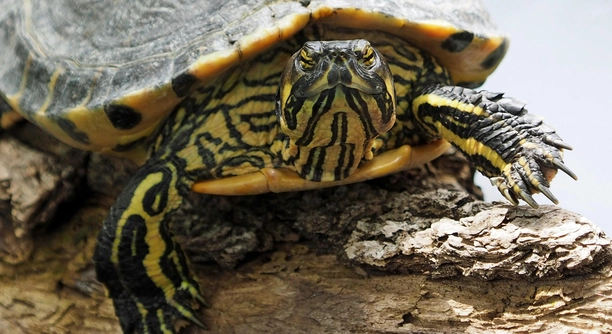
Yellow-bellied sliders are fascinating turtles, often kept as pets. Their behaviors can sometimes raise questions, especially when it comes to their breathing patterns. Rapid breathing in these turtles might be a sign of something important.
Rapid breathing in yellow-bellied sliders can result from stress, overheating, or respiratory issues. It is crucial to monitor their environment and health closely. If the condition persists, seeking advice from a veterinarian is recommended.
Understanding the reasons behind rapid breathing helps ensure a healthy, happy life for your yellow-bellied slider. Knowing the signs can aid in providing the proper care and treatment.
Possible Causes of Rapid Breathing in Yellow-Bellied Sliders
Rapid breathing in yellow-bellied sliders can be caused by several factors. Stress is one of the main reasons these turtles might breathe faster. Changes in their environment, such as sudden temperature shifts, loud noises, or handling, can cause anxiety. Overheating is another common cause. Yellow-bellied sliders are ectothermic, meaning they rely on their environment to regulate their body temperature. If their basking area gets too hot, their breathing rate may increase as a way to cope. Additionally, respiratory infections can lead to rapid breathing. If a slider has been exposed to poor water quality or is not properly cared for, bacteria or fungi can infect their respiratory system, leading to difficulty breathing.
To help reduce stress, make sure your slider’s enclosure is calm, quiet, and at an appropriate temperature. If the breathing persists, it may be time to check water quality and consult a vet.
Stress and Overheating
Stress and overheating are the most common causes of rapid breathing in yellow-bellied sliders. These factors can trigger changes in their respiratory rate. Keep their environment stable and comfortable to prevent these issues.
Respiratory Infections and Health Concerns
In some cases, rapid breathing could indicate a respiratory infection. These infections may occur when the turtle is exposed to unsanitary conditions or is not getting proper care. A weakened immune system can make them more susceptible to bacteria or fungi in the water. Symptoms of respiratory infections can include nasal discharge, lethargy, and changes in appetite. To prevent infections, ensure your turtle’s habitat is clean, and avoid overcrowding. Regular water changes and proper filtration are essential in maintaining a healthy environment.
If you notice any signs of illness or prolonged rapid breathing, it’s important to consult a veterinarian. Early intervention can prevent serious health problems and improve your turtle’s quality of life.
Temperature and Humidity Imbalance
Incorrect temperatures or humidity levels can lead to rapid breathing in yellow-bellied sliders. These turtles need a basking spot around 85–88°F and a water temperature of 75–80°F. If the environment becomes too hot or cold, it can cause stress and increased breathing rates. Make sure your slider has access to both warm and cooler areas to regulate their body temperature effectively.
Maintaining the right humidity is also important for their health. A dry habitat can cause respiratory problems, while excessive humidity can promote the growth of harmful bacteria. If the humidity is off, you might notice your turtle breathing faster than usual. Regularly monitor temperature and humidity levels to ensure they are within the ideal range. Invest in a reliable thermometer and hygrometer to make adjustments as needed.
Even small fluctuations in temperature and humidity can affect your turtle’s comfort and health. If rapid breathing continues despite stable conditions, other health issues might be at play, such as infection or dehydration.
Poor Water Quality
Poor water quality is a major contributor to rapid breathing. Dirty or improperly filtered water can introduce harmful bacteria and toxins that stress your turtle and cause respiratory issues. Turtles are especially sensitive to changes in water quality, which can lead to both physical discomfort and illness. Make sure the water is clean, clear, and free from harmful chemicals.
Regular water changes and using a quality filter can help prevent water quality issues. If you notice your yellow-bellied slider breathing rapidly or showing signs of illness, check the water parameters immediately. Test for ammonia, nitrites, and nitrates to ensure the water is safe. If necessary, adjust the filtration system or increase the frequency of water changes.
Keeping the water temperature within the appropriate range is also crucial. Water that is too warm or too cold can contribute to respiratory stress and overall health decline. Always check the temperature and make necessary adjustments to avoid causing discomfort to your turtle.
Handling and Stress
Handling your yellow-bellied slider too frequently or improperly can cause stress, leading to rapid breathing. These turtles prefer a calm environment, and being grabbed or moved around too often can make them anxious. Limit handling to essential interactions to reduce stress.
Try to maintain a peaceful, low-traffic area around their habitat to avoid unnecessary disruptions. Excessive activity near their tank can stress your slider, even without direct handling. Stress from handling or environmental disturbances can result in rapid breathing, so ensure they have a peaceful space where they feel safe.
Respiratory Infections
A respiratory infection may cause rapid breathing in yellow-bellied sliders. Infections can be triggered by poor water quality or improper care. Symptoms can include wheezing, nasal discharge, or lethargy. If you notice these signs, it’s important to act quickly. Seek advice from a veterinarian for treatment.
Respiratory infections can worsen if left untreated, potentially leading to serious complications. To prevent infections, maintain a clean, stable environment with proper water filtration and temperature control. Ensure your slider is not exposed to drafts or temperature fluctuations, as these factors can contribute to respiratory issues.
Improper Diet
An improper diet can contribute to overall stress and health problems, including respiratory issues. Yellow-bellied sliders require a balanced diet with a mix of protein, vegetables, and calcium. Without proper nutrition, their immune system can weaken, making them more susceptible to infections that cause rapid breathing.
Feeding your slider a diet that lacks essential nutrients can result in a weakened immune system, which may make them more vulnerable to illnesses. Over time, an inadequate diet can cause other health issues as well. Always ensure your turtle is getting the right foods in appropriate quantities for its size and age.
FAQ
What are the signs of a respiratory infection in my yellow-bellied slider?
Common signs of a respiratory infection in yellow-bellied sliders include rapid breathing, nasal discharge, wheezing, and lethargy. They may also stop eating or bask for longer periods. If you notice any of these symptoms, it’s important to take your turtle to a veterinarian for proper diagnosis and treatment. In some cases, respiratory infections can lead to more severe health problems if not addressed early.
How can I prevent rapid breathing in my turtle?
To prevent rapid breathing in your yellow-bellied slider, focus on maintaining a stable environment. Keep the water temperature between 75–80°F and the basking spot around 85–88°F. Ensure the humidity level is optimal to prevent respiratory problems. Regular water changes and proper filtration are essential for a clean environment. Avoid excessive handling and provide a quiet space for your turtle.
Is rapid breathing always a sign of illness?
Not always. While rapid breathing can indicate health issues like infections or stress, it can also result from environmental factors like temperature fluctuations or poor water quality. It’s important to consider the context and environment when evaluating your turtle’s condition. If rapid breathing persists, it is best to consult a veterinarian to rule out any health concerns.
Can temperature changes cause my turtle to breathe rapidly?
Yes, temperature changes can cause your turtle to breathe rapidly. Yellow-bellied sliders rely on their environment to regulate their body temperature. If the basking area is too hot or the water is too cold, it can cause stress, resulting in rapid breathing. Always monitor the temperature in their habitat to keep it within the appropriate range.
What should I do if my turtle is breathing rapidly after I move it?
If your yellow-bellied slider begins breathing rapidly after being moved, it may be experiencing stress. Turtles do not like sudden changes in their environment. Allow your turtle to settle into its new space. Give it time to adjust before handling it again. Keep the surroundings calm and stable to reduce stress levels.
How do I clean my turtle’s tank to prevent respiratory issues?
To prevent respiratory issues, cleaning your turtle’s tank is crucial. Perform regular water changes, ideally every week, and clean the filter to maintain water quality. Scrub the tank walls, rocks, and decorations to remove algae and debris. Ensure the tank is free of waste and harmful bacteria, which can cause infections and respiratory problems.
Can poor water quality cause my turtle to breathe rapidly?
Yes, poor water quality is a major factor in causing rapid breathing. High levels of ammonia, nitrites, and nitrates can stress your turtle and cause respiratory issues. Regularly test the water for these harmful chemicals and adjust as needed. Make sure the filter is functioning properly and change the water frequently to maintain good quality.
What is the best diet to prevent respiratory issues in yellow-bellied sliders?
A healthy, balanced diet is essential for preventing respiratory issues. Feed your yellow-bellied slider a variety of foods, including high-quality pellets, leafy greens, and occasional protein sources like insects or small fish. Calcium is also important for shell health, so provide a calcium supplement if necessary. A well-fed turtle with a strong immune system is less likely to develop respiratory infections.
How can I tell if my turtle is stressed?
Signs of stress in yellow-bellied sliders include rapid breathing, hiding more than usual, not eating, or becoming more aggressive. Stress can also cause them to bask excessively or avoid the water. If your turtle is showing any of these signs, evaluate its environment for factors like temperature, lighting, and water quality that could be contributing to its stress.
Can dehydration cause rapid breathing in yellow-bellied sliders?
Yes, dehydration can lead to rapid breathing. When a turtle is not properly hydrated, its body may become stressed, leading to changes in breathing patterns. Always provide access to clean water for your yellow-bellied slider and ensure it stays hydrated. Dehydration can also weaken the immune system, making it more susceptible to respiratory infections.
Why is my turtle breathing rapidly after feeding?
Breathing rapidly after feeding can be a normal reaction as your turtle’s body digests its food. However, if it happens frequently or is accompanied by other signs of illness, it may indicate a problem with the digestive system or respiratory health. Monitor your turtle’s behavior and consult a veterinarian if you have concerns.
Final Thoughts
Understanding why your yellow-bellied slider breathes rapidly is essential for ensuring its health and well-being. It’s important to consider various factors such as stress, environmental conditions, and diet. Stress from handling, changes in habitat, or overcrowding can lead to rapid breathing. Similarly, temperature fluctuations in the water or basking areas can cause discomfort, resulting in breathing changes. Keeping their environment stable and stress-free is key to preventing these issues.
Another critical factor is maintaining good water quality and a balanced diet. Poor water conditions can cause respiratory problems, so regular water changes and proper filtration are necessary. A clean and stable environment helps your turtle stay healthy and less prone to infections that might lead to rapid breathing. Additionally, feeding your slider a nutritious diet with proper calcium and vitamins helps keep its immune system strong, reducing the risk of respiratory infections or other health problems.
If rapid breathing persists despite addressing these factors, seeking advice from a veterinarian is recommended. A vet can diagnose any underlying health issues and guide you on how to treat or prevent further problems. Remember, regular check-ups and proper care go a long way in ensuring the long-term health of your turtle. Monitoring your yellow-bellied slider’s behavior, environment, and diet will help you keep it happy and healthy for years to come.

Hello,
If you enjoy the content that we create, please consider saying a "Thank You!" by leaving a tip.
Every little bit helps us continue crafting quality advice that supports the health, happiness, and well-being of pets around the world, for pets of all shapes, sizes, and species.
We really appreciate the kindness and support that you show us!