
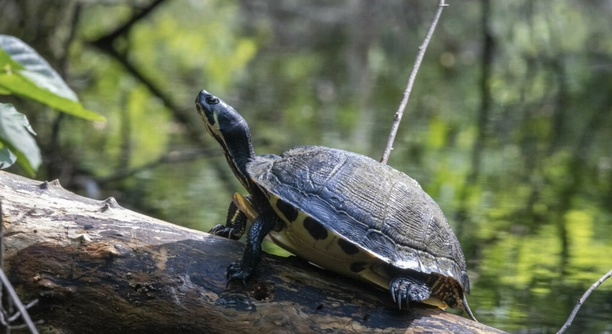
Yellow-bellied sliders are a favorite pet for many, thanks to their unique characteristics and easy-going nature. These turtles make interesting companions for those who appreciate reptiles or are seeking low-maintenance pets.
Yellow-bellied sliders are popular due to their friendly demeanor, low-maintenance care needs, and long lifespan. Their easy adaptation to various environments, calm nature, and moderate space requirements make them an appealing choice for reptile enthusiasts and first-time pet owners alike.
Their appeal goes beyond just their appearance. Continue reading to discover why yellow-bellied sliders are the ideal pet for so many people.
Low-Maintenance Care Requirements
One of the main reasons yellow-bellied sliders are so popular is their relatively low-maintenance care needs. They thrive in both indoor and outdoor environments with the proper setup. A tank with sufficient water space and a basking area is essential. They do not require constant attention, making them ideal for those with busy schedules. Regular cleaning of their tank and monitoring of their water quality are key to keeping them healthy. With appropriate lighting and temperature, they are quite content and easy to maintain. Their diet typically consists of commercial turtle food, supplemented by vegetables and occasional protein. This simplicity is a major factor in their appeal as pets.
With minimal grooming requirements and a simple feeding routine, they are manageable for first-time pet owners.
Because they don’t need daily handling or attention, their care is easy to fit into a routine. Setting up a good habitat is all that’s required.
Long Lifespan
Yellow-bellied sliders are known for their impressive longevity. In captivity, they can live for up to 30 years or more with proper care. This long lifespan makes them a rewarding pet for owners looking for a companion over the long term. Many reptiles have shorter lives, so a slider’s extended time with its owner is a rare bonus. With the right environment, these turtles can stay active and healthy for decades, providing years of enjoyment. Their longevity is one of the key factors that attract owners looking for a lasting bond with their pets.
Their extended lifespan is particularly appealing to those ready for a long-term commitment to pet ownership.
A 30-year companion can form a strong bond with its owner. Proper care ensures their health and longevity. With their peaceful nature and manageable care routine, they are an excellent choice for individuals who want a dependable, long-lasting pet.
Friendly Nature
Yellow-bellied sliders are known for their calm and friendly temperament. Unlike some other reptiles, they are generally not aggressive and can get used to being around people. Over time, many sliders will even recognize their owners. This friendly behavior helps make them more enjoyable pets. As they grow older, their natural curiosity often leads them to approach their owners for attention, especially during feeding time. Their behavior, coupled with their easy care, makes them a popular choice for families or individuals seeking a peaceful pet.
These turtles also tend to get along well with other animals, particularly when housed in large, shared spaces like outdoor ponds. They won’t typically display aggression unless provoked or during feeding time, and their overall gentle nature makes them less likely to cause trouble in a household.
While they are not as interactive as some mammals, yellow-bellied sliders will usually show affection through subtle behaviors like following you with their eyes or basking nearby. Their willingness to coexist with humans without demanding constant interaction makes them unique pets.
Easy to Feed
Feeding yellow-bellied sliders is straightforward, which adds to their popularity. They are omnivores, which means they can eat both plants and animals. Their diet mainly consists of commercial turtle pellets, supplemented by fresh vegetables, fruits, and occasional live prey like worms or small fish. This variety helps keep them healthy and active. When given a balanced diet, they are less prone to health issues. Their feeding schedule is simple; typically, they are fed two to three times a week.
The most important aspect of feeding them is ensuring they get the right nutrients. For instance, dark leafy greens like collard greens or kale provide essential vitamins, while protein sources, such as mealworms or fish, offer the energy they need. It’s important to avoid feeding them too much protein, as this can lead to health problems over time.
Overall, their diet is easy to maintain. Their willingness to eat both plant and animal matter makes feeding them convenient for owners who don’t want to worry about special food requirements. As long as their meals are varied and nutritious, they can stay healthy and content with minimal effort.
Space Requirements
Yellow-bellied sliders don’t need a massive amount of space, but they do require a proper setup. For indoor environments, a large aquarium with both water and a dry basking area is sufficient. A 40-gallon tank is recommended for a single turtle.
As they grow, the space requirement increases. The tank should have enough water for them to swim comfortably, along with a basking area where they can dry off and regulate their temperature. A good filter is necessary to keep the water clean.
Adaptability
Yellow-bellied sliders are highly adaptable. They thrive in both indoor tanks and outdoor ponds. If you have a pond or a suitable backyard area, they can live outdoors during warmer months. However, they should be brought inside if the temperature drops.
Their ability to adjust to various environments makes them a good choice for different types of pet owners. Whether kept indoors or outdoors, they manage well as long as their basic needs are met.
Affordable Care
The care costs for yellow-bellied sliders are relatively low. They don’t need expensive equipment or special treatments. The main expenses include their habitat setup, which may include a tank, filter, and UV light, and food, which is affordable and easy to find.
FAQ
How big do yellow-bellied sliders get?
Yellow-bellied sliders can grow to about 8 to 13 inches in length. Males are typically smaller, reaching about 8 inches, while females can grow larger, up to 13 inches. The size they reach depends on factors such as diet, habitat, and genetics. Proper care can help them reach their maximum potential size.
How long do yellow-bellied sliders live?
Yellow-bellied sliders are known for their long lifespan. In captivity, they can live for up to 30 years or more if provided with a proper diet, environment, and care. Their longevity makes them a long-term commitment for pet owners who are prepared for their care over many years.
Do yellow-bellied sliders need a lot of space?
While they don’t require excessive space, yellow-bellied sliders do need enough room to swim and bask. A 40-gallon tank is ideal for a single turtle, with additional space needed as they grow. If kept outdoors, they thrive in ponds with plenty of swimming and basking space.
Can yellow-bellied sliders be kept with other pets?
Yellow-bellied sliders can be kept with other pets in the right conditions. In tanks, they can often coexist peacefully with other non-aggressive reptiles, but they may not get along with more aggressive species. Outdoor ponds can be shared with other aquatic species as long as there is enough space for each animal.
What do yellow-bellied sliders eat?
Yellow-bellied sliders are omnivores. They eat a variety of foods, including commercial turtle pellets, leafy vegetables like kale and collard greens, fruits such as strawberries and apples, and occasional protein sources like mealworms, fish, or crickets. Offering a balanced diet helps maintain their health.
How often should yellow-bellied sliders be fed?
Yellow-bellied sliders are typically fed two to three times per week. Their diet should include both plant-based and protein foods to ensure they get the necessary nutrients. Overfeeding can lead to health issues, so it’s essential to monitor their food intake and avoid excessive protein.
Do yellow-bellied sliders need UVB lighting?
Yes, UVB lighting is essential for yellow-bellied sliders. It helps them synthesize vitamin D3, which is crucial for calcium absorption and overall health. A UVB light should be provided in their habitat, especially if they are kept indoors. The light needs to be replaced every six months, as it loses effectiveness over time.
Can yellow-bellied sliders live outside?
Yellow-bellied sliders can live outside, provided the climate is warm enough. They can be kept in outdoor ponds during the warmer months but should be brought indoors when the temperature drops below 50°F (10°C). An outdoor environment can offer them more space and a more natural setting.
What kind of tank do yellow-bellied sliders need?
Yellow-bellied sliders need a spacious tank with both water and a basking area. The water should be deep enough for swimming, and the basking area should be dry and equipped with a heat lamp for warmth. A filter is also necessary to keep the water clean, and the tank should be large enough to allow them to move around freely.
How can I tell if my yellow-bellied slider is healthy?
A healthy yellow-bellied slider will have clear eyes, a smooth and firm shell, and be active, especially during feeding times. They should be swimming regularly and basking on their platform. A lack of activity, discolored or damaged shells, or refusal to eat could be signs of illness and should be addressed by a vet.
Can yellow-bellied sliders get along with humans?
Yellow-bellied sliders are not typically affectionate like mammals, but they can get used to human interaction. Over time, they may recognize their owners and even approach them, particularly during feeding. They can become accustomed to being handled gently but don’t require constant interaction, which makes them suitable for people who prefer low-maintenance pets.
Do yellow-bellied sliders need a special heater?
Yes, yellow-bellied sliders require a heater to maintain the water temperature at an optimal range, usually between 75°F to 80°F (24°C to 27°C). In addition to the water heater, they also need a basking area with a heat lamp to help regulate their body temperature and promote healthy shell growth.
Are yellow-bellied sliders good pets for children?
Yellow-bellied sliders can be good pets for children if the child is old enough to handle them responsibly. They do not require daily interaction, which can be ideal for busy households. However, children should be taught how to care for them properly, especially when it comes to handling, feeding, and tank maintenance.
How do I clean my yellow-bellied slider’s tank?
Cleaning a yellow-bellied slider’s tank involves removing debris, changing the water, and scrubbing the tank walls to prevent algae buildup. It’s important to replace the water regularly and clean the filter to maintain a healthy environment. Depending on the tank size, a full cleaning might be needed every 1-2 weeks.
How do I know if my yellow-bellied slider is stressed?
Signs of stress in yellow-bellied sliders include loss of appetite, lethargy, excessive basking, and hiding. Changes in behavior or appearance, such as cloudy eyes or an unhealthy shell, may also indicate stress or illness. Ensuring their habitat is clean, warm, and secure will help prevent stress.
Can yellow-bellied sliders swim in cold water?
Yellow-bellied sliders should not swim in cold water. They prefer water temperatures between 75°F and 80°F (24°C and 27°C). If the water is too cold, it can cause them to become sluggish and ill. During colder months, they should be kept in warmer indoor environments.
Do yellow-bellied sliders hibernate?
Yellow-bellied sliders do not hibernate in the traditional sense but may become less active during colder months. In outdoor ponds, they may enter a state of brumation, which is similar to hibernation. This period of inactivity occurs when temperatures drop, and they stop eating but remain alive until the weather warms up.
Are yellow-bellied sliders easy to breed?
Breeding yellow-bellied sliders can be challenging and requires a suitable environment. To encourage breeding, you’ll need both a male and a female, and the tank or pond should offer adequate space and resources. Breeding usually occurs in the spring, and the female will lay eggs that need to be incubated carefully.
Final Thoughts
Yellow-bellied sliders are fascinating pets that can bring a unique charm to any home. They are relatively easy to care for, making them suitable for people who want a low-maintenance pet that doesn’t require constant attention. However, they do have specific needs that must be met to ensure their health and well-being. With the right environment, diet, and attention, they can thrive and live long, healthy lives. Their longevity and relatively simple care routine make them a good choice for both beginner and experienced pet owners.
It’s important to remember that yellow-bellied sliders are not like traditional pets such as cats or dogs. They do not seek affection or interaction in the same way and are more independent. This means that while they can be a rewarding pet, they are not ideal for people looking for a highly interactive animal. However, for those who enjoy observing their pets and ensuring they live in a comfortable environment, yellow-bellied sliders can be a great choice. They offer a calm presence and a window into the quiet beauty of aquatic life.
As with any pet, potential owners should take the time to research and prepare before bringing a yellow-bellied slider into their home. Creating a proper habitat with enough space to swim and bask, maintaining a balanced diet, and providing the right lighting are key elements of their care. While they are relatively low-maintenance, they still need a dedicated and responsible owner who understands their requirements. By doing so, yellow-bellied sliders can be enjoyable and long-lived companions.

Hello,
If you enjoy the content that we create, please consider saying a "Thank You!" by leaving a tip.
Every little bit helps us continue crafting quality advice that supports the health, happiness, and well-being of pets around the world, for pets of all shapes, sizes, and species.
We really appreciate the kindness and support that you show us!