
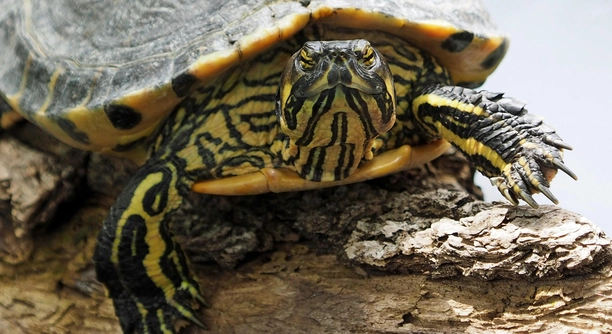
Yellow-bellied sliders are popular pet turtles. Many turtle owners want to know which vegetables they can feed their pets. Celery is often considered for its crunchy texture and low-calorie content. Is celery a suitable food option for them?
Yellow-bellied sliders can eat celery in moderation. The vegetable is safe for them but should be offered as part of a balanced diet. While celery provides hydration and fiber, it does not offer significant nutritional value and should not be the primary food.
Celery may not be the most nutritious option, but it’s a good treat. Understanding the right way to feed your turtle will ensure they remain healthy and happy.
Nutritional Value of Celery for Yellow-Bellied Sliders
Celery is mostly water, making it a hydrating food for yellow-bellied sliders. However, its nutritional value is limited. While it provides some fiber and a small amount of vitamins, celery does not offer essential nutrients like calcium or protein that your turtle needs for growth and shell health. Feeding it too often could result in a lack of variety in their diet, which is crucial for their overall well-being. It’s best to treat celery as an occasional snack rather than a regular part of their meals. Offering a mix of vegetables, like leafy greens and other nutrient-dense foods, will better support their health.
Though celery isn’t harmful to your slider, it shouldn’t be relied on as a staple food. Stick to a more diverse diet that includes other vegetables, fruits, and commercial turtle food to provide the necessary nutrients.
To provide your turtle with a more balanced diet, consider other leafy greens like collard greens, dandelion greens, and mustard greens. These offer more of the essential vitamins and minerals your slider needs. You can also supplement their meals with occasional protein sources like worms, insects, or high-quality pellets. Keeping their diet varied is key to supporting their health and longevity.
How Often Should Celery Be Fed?
Celery can be given to your yellow-bellied slider as an occasional treat. Offering it once or twice a week is enough. Too much celery could fill them up without providing the nutrition they need to thrive.
While celery isn’t harmful in moderation, feeding it frequently could lead to digestive issues. Turtles need a variety of vegetables to maintain proper health, and relying on one type of food, like celery, may create an imbalance. You can alternate between celery and other veggies like bell peppers or squash. Ensuring your slider’s diet is diverse will promote a stronger immune system, better growth, and healthier shell development.
Risks of Feeding Too Much Celery
Feeding your yellow-bellied slider too much celery can cause an imbalance in their diet. It lacks many essential nutrients like calcium and protein. Without a proper mix of different vegetables and protein, your turtle may experience health issues over time, such as poor shell growth or weakened bones.
Relying heavily on celery could also lead to digestive problems. While celery is high in water content, it doesn’t offer enough fiber or other nutrients to support healthy digestion. Without a varied diet, your slider may become sluggish or even refuse other foods. It’s crucial to monitor their intake of celery and make sure other healthy options are always available.
It’s important to remember that variety is key in feeding turtles. While celery is not harmful in moderation, offering too much can be detrimental in the long run. Providing a balanced diet with plenty of greens, occasional protein sources, and calcium-rich foods will ensure your slider thrives. A little celery goes a long way as a treat.
Best Vegetables for Yellow-Bellied Sliders
Yellow-bellied sliders thrive on a variety of leafy greens and vegetables. Some excellent options include collard greens, dandelion greens, kale, and mustard greens. These provide essential vitamins and minerals such as vitamin A, calcium, and fiber, all crucial for a healthy turtle. Variety ensures they receive the nutrients necessary for their growth.
When feeding your slider, try to rotate different vegetables to ensure they get the full spectrum of nutrients. Mixing in some carrots, squash, or bell peppers can provide a range of textures and flavors, making mealtime more exciting for your turtle. Additionally, leafy greens like romaine lettuce can offer hydration, though they should not be the main food source.
Be mindful of avoiding high-oxalate vegetables, like spinach, which can interfere with calcium absorption. This is why a mix of leafy greens is vital. Also, consider offering a calcium supplement to promote stronger shells and bones. By keeping things varied, your turtle’s diet will support their health and happiness.
How to Prepare Celery for Your Turtle
When offering celery to your yellow-bellied slider, always wash it thoroughly to remove any pesticides. Cut it into small, manageable pieces that your turtle can easily handle. This will help prevent choking and make it easier for them to enjoy.
Make sure not to offer large stalks of celery as they may be difficult for your turtle to chew and digest. Instead, chop the celery into bite-sized pieces or strips. This will help your turtle consume the vegetable safely without wasting it. You can offer it alone or mix it with other vegetables for variety.
By cutting the celery into smaller pieces, you help your turtle access the nutrients more easily. This also makes the food more appealing and prevents them from becoming overwhelmed by large portions. Offering small portions also ensures they don’t eat too much, which could cause an imbalance.
Importance of Hydration
Celery provides a good amount of hydration, especially in dry or hot environments. Keeping your turtle hydrated is crucial for overall health. Along with leafy greens, celery can supplement your turtle’s water intake and help maintain proper bodily functions.
A well-hydrated turtle will have a healthier shell, more energy, and a better digestive system. Since yellow-bellied sliders live in aquatic environments, hydration is already a part of their daily routine. However, incorporating hydrating vegetables like celery can further support their health, especially if you live in a dry climate or use a heated tank.
Remember, while celery helps with hydration, it should still not replace their water dish. Turtles need to have access to clean water at all times for drinking and soaking. Keep the water temperature consistent and change it regularly to promote good health.
Can Yellow-Bellied Sliders Eat Other Fruits?
Yellow-bellied sliders can eat fruits, but these should be given sparingly. Fruits like strawberries, blueberries, and melon provide some nutrients but should not replace vegetables or protein. A few pieces of fruit as a treat can offer variety without causing harm.
Offering fruit in moderation ensures that your slider still gets the essential nutrients from leafy greens and other vegetables. While fruit can be a fun treat, it should not make up a large part of their diet. You can try mixing fruit with vegetables to make their meals more exciting.
FAQ
Can yellow-bellied sliders eat celery every day?
Celery should not be fed to yellow-bellied sliders every day. While it is not harmful in moderation, feeding it daily can lead to an imbalanced diet. Celery is low in essential nutrients like calcium and protein, which your turtle needs for optimal health. Offer it once or twice a week as a treat. It’s better to rotate celery with other vegetables to ensure your turtle gets a range of nutrients.
What other vegetables can yellow-bellied sliders eat?
Yellow-bellied sliders can enjoy a variety of vegetables such as collard greens, dandelion greens, kale, mustard greens, and romaine lettuce. These leafy greens provide important vitamins and minerals, including vitamin A and calcium. Additionally, squash, bell peppers, and carrots can be offered for variety. Make sure the vegetables are cut into small pieces to help your turtle eat them easily. Avoid feeding them high-oxalate vegetables like spinach, as these can interfere with calcium absorption.
Is celery safe for baby yellow-bellied sliders?
Celery is safe for baby yellow-bellied sliders, but it should still be offered sparingly. Baby turtles require more protein and calcium than adults for proper growth. Celery can be given as a small treat along with their primary diet of commercial turtle food and leafy greens. Ensure that they have access to other nutrient-rich foods for proper development.
How should I prepare celery for my yellow-bellied slider?
Celery should be thoroughly washed to remove any pesticides or dirt. Cut it into small, manageable pieces that your turtle can easily eat. Avoid offering large chunks or whole stalks, as these could be difficult for your turtle to chew and digest. You can either feed celery alone or mix it with other vegetables for a more balanced meal. Small pieces will also help prevent overfeeding, which can lead to an unbalanced diet.
Can celery help with my turtle’s hydration?
Yes, celery can help with hydration. It has a high water content, making it a good food for keeping your turtle hydrated. While your yellow-bellied slider will primarily get its hydration from the water in its tank, offering hydrating vegetables like celery can complement their water intake. However, it’s important to remember that celery should not replace your turtle’s water dish, which should be kept clean and filled with fresh water at all times.
How often should I feed my turtle celery?
Celery should be given to your yellow-bellied slider no more than once or twice a week. It’s a good idea to rotate celery with other vegetables to ensure that your turtle’s diet remains balanced. Too much celery can lead to digestive issues or nutrient imbalances. A varied diet, with a focus on leafy greens and occasional protein sources, will help keep your turtle healthy.
Can yellow-bellied sliders eat celery with other foods?
Yes, yellow-bellied sliders can eat celery with other foods, but it’s important to keep portion sizes in mind. Mixing celery with nutrient-dense vegetables like kale, collard greens, or dandelion greens is a great way to provide variety. Just make sure not to overfeed them with celery, as it lacks the necessary nutrients for long-term health.
Is celery enough to meet my turtle’s nutritional needs?
No, celery alone is not enough to meet your yellow-bellied slider’s nutritional needs. While it is safe in moderation, it is low in essential nutrients like calcium and protein. A proper diet for your turtle should consist of a variety of vegetables, fruits, and protein sources such as insects or high-quality turtle pellets. It’s important to offer a balanced diet to support your turtle’s growth, shell health, and overall well-being.
Can celery cause any digestive issues in turtles?
Celery is unlikely to cause digestive issues when fed in moderation. However, offering too much celery at once can lead to an upset stomach or loose stools due to its high water content. Make sure your turtle’s meals are balanced with other foods to prevent overfeeding. If you notice any changes in your turtle’s stool or behavior, you may want to adjust their diet.
Can I feed celery to my turtle if it is wilting or old?
It’s best to avoid feeding your turtle wilting or old celery. As the celery ages, it loses its nutritional value and can become less appealing to your turtle. Fresh, crisp celery is more likely to provide some hydration and texture, making it a more enjoyable and beneficial treat. Always check the freshness of the celery before offering it to your turtle.
Is it okay to feed my turtle cooked celery?
It’s best to offer celery raw to your yellow-bellied slider. Cooking celery can reduce its nutritional value and alter its texture, making it less enjoyable for your turtle. Raw celery retains its natural water content, making it more hydrating. Stick to fresh, uncooked celery for the most benefit.
Can I feed my yellow-bellied slider celery as part of a salad?
Yes, you can feed your yellow-bellied slider celery as part of a salad. Mixing celery with other leafy greens like kale or romaine lettuce will provide a variety of textures and nutrients. Make sure to chop the vegetables into small pieces so your turtle can easily eat them. Offering a salad with different veggies can make mealtime more interesting and ensure a balanced diet.
Can celery cause shell problems in my turtle?
Feeding celery in moderation is unlikely to cause shell problems in your turtle. However, if celery makes up too much of your turtle’s diet, it could result in a lack of calcium, which is essential for healthy shell growth. A calcium-rich diet, including appropriate supplements, is important for maintaining a strong shell. Be sure to offer a variety of other vegetables and protein sources to support your turtle’s shell health.
Final Thoughts
Celery can be a fun, hydrating treat for yellow-bellied sliders when given in moderation. While it is not harmful, it should not make up a large portion of their diet. Like many vegetables, celery is low in essential nutrients such as calcium and protein, which your turtle needs for proper growth and health. Feeding celery too often may create an imbalance in your turtle’s diet, leading to nutritional deficiencies. It is important to offer a variety of vegetables to provide your turtle with the right nutrients.
When preparing celery for your turtle, always wash it thoroughly to remove any pesticides or dirt. Cut the celery into small pieces so your turtle can easily eat it. This will also prevent them from overconsuming it in one sitting, which could lead to digestive issues. A good approach is to mix celery with other nutrient-rich vegetables, such as kale, collard greens, or dandelion greens. This ensures a more balanced meal and helps meet your turtle’s dietary needs.
Remember, the key to keeping your yellow-bellied slider healthy is variety. Offering a wide range of vegetables, fruits, and occasional protein sources will keep your turtle well-fed and happy. Celery should be treated as an occasional treat, not a regular part of their diet. With the right care and attention to their diet, your turtle will thrive and enjoy a long, healthy life. Always consult with a veterinarian if you are unsure about what foods are best for your turtle’s specific needs.

Hello,
If you enjoy the content that we create, please consider saying a "Thank You!" by leaving a tip.
Every little bit helps us continue crafting quality advice that supports the health, happiness, and well-being of pets around the world, for pets of all shapes, sizes, and species.
We really appreciate the kindness and support that you show us!