
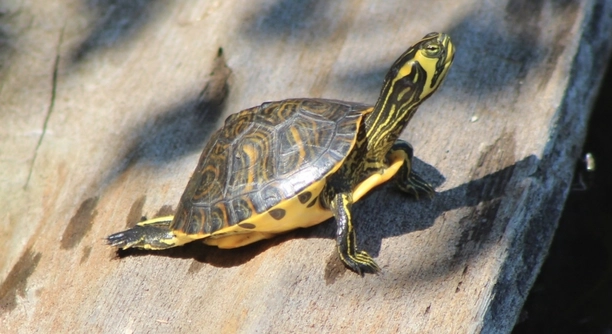
Yellow-bellied sliders are fascinating reptiles, and if you are a pet owner, you may wonder what foods are suitable for them. Among the various types of greens available, parsley is often considered.
Yellow-bellied sliders can eat parsley in moderation. While parsley is not toxic to them, it should only be offered occasionally due to its high calcium oxalate content, which can impact calcium absorption. Too much can cause health issues.
It’s essential to understand the effects of various foods on your slider’s health. Proper feeding habits can improve their quality of life and help avoid potential complications.
Can Parsley Be Beneficial for Yellow-Bellied Sliders?
Parsley is a common herb that provides various nutrients, but it’s important to consider how it fits into the diet of yellow-bellied sliders. Parsley contains vitamins A, C, and K, which are essential for the overall health of turtles. These nutrients can help maintain strong immunity and promote healthy bone development. However, parsley also contains calcium oxalates, which can interfere with calcium absorption if consumed in large amounts. For yellow-bellied sliders, a balanced diet is crucial to avoid any potential nutrient imbalances.
While parsley can offer some nutritional value, it should not be the primary food. It is best to incorporate it as an occasional treat, alongside a varied diet of other leafy greens like dandelion greens and collard greens. This mix ensures that your turtle receives the necessary nutrients without overloading on one food source. Always be cautious about the quantity of parsley you provide, as moderation is key.
Maintaining a balanced diet for your yellow-bellied slider can improve their health and prevent complications related to improper nutrition. Along with parsley, offering a range of vegetables, commercial turtle pellets, and occasional protein sources like insects can support your turtle’s needs. By managing their diet carefully, you can help ensure they thrive in your care.
How Much Parsley Is Too Much?
The quantity of parsley that is safe for yellow-bellied sliders varies depending on their age and size.
Yellow-bellied sliders typically thrive on a diet that consists of a mix of leafy greens, occasional fruits, and protein. Parsley can be a great addition, but it’s crucial to offer it in limited amounts to avoid overloading on calcium oxalates. For hatchlings and young turtles, it’s best to limit parsley to a small portion once a week. Adult sliders may tolerate slightly more, but still, only as an occasional treat.
Too much parsley can lead to an imbalance in their calcium-to-phosphorus ratio, which can affect their bone health. Calcium is vital for shell and bone growth, so it is crucial to make sure they’re getting it from the right sources. Ensure that other greens you offer, like kale and collard greens, are rich in calcium to balance out the effects of oxalates.
Nutritional Value of Parsley for Yellow-Bellied Sliders
Parsley contains important vitamins, including A, C, and K, which can support a turtle’s overall health. However, it’s essential to understand the balance when offering parsley in a diet. While it provides nutritional benefits, moderation is key to avoiding any health issues.
Parsley is rich in antioxidants that support the immune system, helping to protect yellow-bellied sliders from various diseases. The vitamin A content can also contribute to healthy vision and skin, while vitamin C plays a role in tissue repair. Vitamin K is vital for blood clotting and bone health, which is important for the turtle’s development and well-being. Despite these benefits, the calcium oxalates in parsley can reduce calcium absorption, making it necessary to limit how much is given.
A healthy diet for yellow-bellied sliders should consist of a variety of vegetables to ensure balanced nutrition. While parsley can be beneficial, it should be one of many vegetables, rather than a staple in their diet. Providing different food options ensures your turtle receives all the necessary nutrients without any negative effects from consuming too much parsley.
Alternative Greens for Yellow-Bellied Sliders
In addition to parsley, several other leafy greens are safe and nutritious for yellow-bellied sliders. These alternatives can be offered to provide variety and ensure that your turtle receives a well-rounded diet.
Collard greens, dandelion greens, and mustard greens are excellent choices for turtles. These greens are rich in calcium and fiber, supporting healthy bones and digestion. They also contain lower levels of oxalates compared to parsley, reducing the risk of calcium absorption issues. These greens can be offered daily and should make up the bulk of a yellow-bellied slider’s vegetable intake. The variety in texture and flavor keeps the diet interesting, encouraging healthy eating habits.
By rotating different types of greens, you can avoid the monotony of feeding your turtle the same food daily. Including a mix of vegetables with various nutrients ensures that your yellow-bellied slider receives a balanced diet, supporting its long-term health and growth.
The Role of Calcium in a Slider’s Diet
Calcium is an essential nutrient for yellow-bellied sliders, helping with bone and shell development. Without enough calcium, they may develop health problems like soft shells or skeletal deformities. Offering a variety of calcium-rich foods is important for maintaining their overall health.
Leafy greens like kale and collard greens are excellent calcium sources. These vegetables are low in oxalates and provide a higher calcium-to-phosphorus ratio, making them more beneficial than parsley in promoting healthy bones. To ensure your yellow-bellied slider receives enough calcium, it’s crucial to include these greens regularly in their diet. Additionally, consider adding calcium supplements if needed, especially for growing turtles.
Impact of Oxalates on Nutrient Absorption
Oxalates found in some greens can interfere with calcium absorption, which may negatively affect your yellow-bellied slider’s health. Parsley, while nutritious, is high in oxalates, so it should be given in limited amounts.
To prevent any issues, it’s important to balance oxalate-rich foods like parsley with those that are lower in oxalates. By rotating different types of greens, you can minimize the risk of nutrient imbalance while ensuring your slider’s diet remains diverse and beneficial. Keeping this in mind can help support their long-term health.
FAQ
Can yellow-bellied sliders eat parsley every day?
No, yellow-bellied sliders should not eat parsley every day. While parsley contains vitamins and minerals that can benefit your turtle, it also has high levels of calcium oxalates, which can hinder calcium absorption if consumed in large quantities. It’s best to offer parsley as an occasional treat, not a daily food. Providing a variety of other leafy greens, like dandelion greens, kale, and collard greens, will ensure your slider receives all the necessary nutrients.
What other herbs can yellow-bellied sliders eat?
In addition to parsley, yellow-bellied sliders can enjoy a variety of other herbs in moderation. Basil and thyme are both safe options for turtles. These herbs provide a flavorful addition to their diet and are rich in nutrients. However, they should still be given occasionally due to their strong taste and concentrated nutrient content. Too much of any herb can lead to an imbalance in their diet.
Is parsley harmful to yellow-bellied sliders?
Parsley is not harmful to yellow-bellied sliders when fed in moderation. The issue arises from its high oxalate content, which can interfere with calcium absorption. If given too often or in large amounts, parsley can lead to calcium deficiencies and related health problems. Moderation is key, so it’s important to offer parsley as an occasional treat and provide a balanced diet with a variety of other greens.
Can yellow-bellied sliders eat parsley stems?
Yes, yellow-bellied sliders can eat parsley stems, but like the leaves, they should be offered in moderation. The stems contain similar nutrients to the leaves but may be harder to chew. If you do decide to offer the stems, ensure they are chopped into small, manageable pieces to avoid choking hazards. As with the leaves, it’s important to limit the frequency of offering parsley stems to prevent any issues with calcium absorption.
What are the best greens for yellow-bellied sliders?
Some of the best greens for yellow-bellied sliders include collard greens, dandelion greens, and mustard greens. These greens are high in calcium, low in oxalates, and provide essential vitamins and minerals that promote healthy shell and bone development. It’s important to rotate different types of greens to ensure your slider receives a varied and balanced diet. Avoid feeding them iceberg lettuce, as it lacks nutritional value and may cause digestive issues.
How often should yellow-bellied sliders eat leafy greens?
Yellow-bellied sliders should be offered leafy greens daily. These greens should form the foundation of their diet, providing the necessary vitamins and minerals to support their growth and health. A mix of different greens should be provided to ensure a well-rounded diet, with occasional protein sources like insects or fish. Feeding leafy greens daily helps maintain proper nutrition and keeps your turtle healthy.
Can yellow-bellied sliders eat fruit?
Yes, yellow-bellied sliders can eat certain fruits, but they should be given in moderation. Fruits like strawberries, apples, and melons can be a healthy treat, providing vitamins and hydration. However, fruits are high in sugar, so they should not make up a large portion of their diet. Overfeeding fruit can lead to obesity or digestive issues. Offering fruit once or twice a week as a treat is ideal.
What protein can yellow-bellied sliders eat?
Yellow-bellied sliders are omnivores, so they need both plant and animal-based protein. They can eat insects such as crickets, mealworms, and earthworms, as well as small fish like minnows. You can also offer commercially prepared turtle pellets that are high in protein. Protein should be offered several times a week, but it should not make up the majority of their diet. Too much protein can lead to kidney issues or shell deformities.
Can yellow-bellied sliders eat cooked food?
Yellow-bellied sliders can eat cooked food in moderation, but it’s best to offer fresh, raw vegetables and protein sources. Cooked food, especially if seasoned, can contain additives or oils that may not be safe for your turtle. If you do offer cooked food, make sure it’s free of any spices, oils, or salts. Plain cooked chicken, for example, can be an occasional treat, but it shouldn’t be a staple in their diet.
How do I know if my yellow-bellied slider is eating enough?
A healthy yellow-bellied slider should have a firm shell, active behavior, and a good appetite. If your turtle is not eating enough, it may become lethargic, lose weight, or show signs of shell softening. It’s essential to monitor their food intake and ensure they’re eating a variety of foods that meet their nutritional needs. If you notice any of these signs, it may be a good idea to consult a vet to rule out any underlying health issues.
What other vegetables can yellow-bellied sliders eat?
In addition to leafy greens, yellow-bellied sliders can eat a variety of vegetables. Squash, carrots, bell peppers, and zucchini are all safe and nutritious options. These vegetables provide additional vitamins and fiber that are beneficial to their health. Like leafy greens, these vegetables should be offered in moderation and as part of a varied diet. Ensure that the vegetables are chopped into small pieces to make it easier for your turtle to eat.
Can yellow-bellied sliders eat kale?
Yes, yellow-bellied sliders can eat kale, and it is one of the best leafy greens you can offer them. Kale is rich in calcium and other essential nutrients, making it a great choice for maintaining strong bones and a healthy shell. However, because kale can have a slightly bitter taste, some turtles may be hesitant to eat it. You can try offering it mixed with other greens to make it more appealing.
What about feeding yellow-bellied sliders spinach?
While spinach is safe for yellow-bellied sliders in small amounts, it should not be fed regularly. Spinach contains high levels of oxalates, which can interfere with calcium absorption, leading to potential health issues. If you offer spinach, make sure to balance it with other low-oxalate vegetables and rotate it with other greens to maintain a healthy diet.
Final Thoughts
Yellow-bellied sliders can eat parsley, but it should only be offered occasionally. While it contains vitamins and nutrients, it also has high levels of oxalates, which can interfere with calcium absorption when consumed in large amounts. A diet too heavy in parsley may lead to calcium deficiencies, affecting the health of your slider’s shell and bones. To avoid this, it’s important to include a variety of other greens that are lower in oxalates and provide more balanced nutrition. Collard greens, dandelion greens, and mustard greens are good alternatives that can be offered more frequently.
In addition to leafy greens, yellow-bellied sliders require a mix of protein, fruits, and vegetables to stay healthy. Their diet should be well-rounded, incorporating different foods to ensure they get all the nutrients they need. Protein sources like insects and small fish should be provided several times a week, while fruits can be offered occasionally as a treat. It’s also important to remember that any food provided should be fresh and free from harmful additives, such as salt or oils. Moderation is key in maintaining a healthy balance in their diet.
Overall, providing a variety of food options will help keep your yellow-bellied slider in good health. While parsley can be a small part of their diet, it should not be the primary food. Focusing on a range of greens, fruits, and proteins ensures that your turtle gets a balanced and nutritious diet. By carefully managing their food intake, you can prevent health issues and promote longevity for your pet turtle.

Hello,
If you enjoy the content that we create, please consider saying a "Thank You!" by leaving a tip.
Every little bit helps us continue crafting quality advice that supports the health, happiness, and well-being of pets around the world, for pets of all shapes, sizes, and species.
We really appreciate the kindness and support that you show us!