
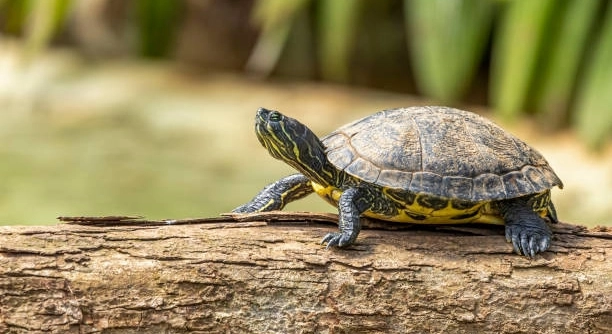
Yellow-bellied sliders are fascinating creatures that spend a lot of time in the water. You may notice them staying underwater for extended periods. Understanding why this happens can help ensure they stay healthy and comfortable in their environment.
Yellow-bellied sliders may stay underwater for various reasons, including thermoregulation, natural behavior, stress, or even health issues. They may also remain submerged for feeding, hiding, or when the water quality is optimal for their well-being.
There are several reasons behind this behavior that can help you understand what’s going on with your turtle. Keep reading to discover the causes and ways to manage them.
Natural Behavior and Instincts
Yellow-bellied sliders are naturally inclined to stay underwater for long periods due to their instincts. They are excellent swimmers and often feel more comfortable submerged in water, where they can find shelter, search for food, or escape potential predators. Their natural environment is often aquatic, so they may instinctively remain submerged for safety and comfort. This behavior is typically observed in the wild, where these turtles spend most of their time in water.
This is just one of the many ways they adapt to their environment. However, if they are kept in captivity, it is important to ensure they have access to clean water and an appropriate habitat to help them stay healthy and stress-free.
In the wild, yellow-bellied sliders will spend hours submerged in freshwater or slow-moving streams, as they are highly adapted to aquatic life. Their ability to stay underwater for long stretches allows them to forage, regulate their body temperature, and protect themselves from threats. In captivity, this behavior may continue, as the turtle may not feel the need to surface frequently. As long as their habitat is properly maintained, and they have access to air and appropriate heat sources, this behavior can be perfectly normal.
Water Temperature Regulation
The water temperature plays a major role in how long yellow-bellied sliders stay submerged. These turtles rely on water to regulate their body temperature, often staying submerged when the water is at a comfortable temperature. When their body needs to cool down or warm up, staying in water helps maintain the balance.
Water that is too warm or too cold can cause stress. If the water temperature fluctuates too much, the turtle may stay submerged for longer periods in search of a comfortable spot. It is essential to monitor the water temperature and adjust it to keep the turtle healthy.
Maintaining a consistent water temperature between 75°F and 85°F is ideal for yellow-bellied sliders. This range allows them to naturally regulate their body temperature, which influences their behavior. If the water is too cold, the turtles may stay submerged longer in an attempt to conserve energy. Conversely, if the water is too warm, they may try to stay underwater to cool down. Ensuring the water temperature is stable will help reduce stress and keep the turtle’s behavior in check.
Stress and Anxiety
Yellow-bellied sliders may stay underwater longer when stressed. Changes in their environment, handling, or even tank mates can make them anxious. Stress can cause them to retreat to the water and remain there, seeking a sense of security. If they feel threatened, staying submerged gives them a safe space to calm down.
In some cases, improper tank conditions like overcrowding, dirty water, or loud noises can also trigger this response. It’s important to observe your turtle’s behavior carefully. If they seem unusually reclusive or stay submerged for long periods, checking the tank environment and reducing stressors can help them feel more at ease.
When a turtle stays underwater due to stress, it may not surface to eat or bask regularly, which can impact its health. To reduce stress, ensure that the tank is a peaceful environment with proper lighting, filtration, and space. Regularly check the water quality and temperature to avoid stress-related issues. If necessary, try giving your turtle some alone time to adjust to changes.
Health Issues
Yellow-bellied sliders might stay underwater longer if they’re not feeling well. Health problems like respiratory infections, shell issues, or parasites can make them feel weak or uncomfortable, causing them to stay submerged in an attempt to hide symptoms or seek relief.
It’s important to monitor your turtle’s behavior closely. If it stays submerged unusually long, seems lethargic, or has trouble swimming, it could be a sign of an underlying health issue. Immediate attention from a vet is recommended to rule out any medical conditions that need treatment.
Oxygen Levels
A lack of oxygen in the water can cause turtles to stay submerged for longer than normal. If the water’s oxygen levels are low, yellow-bellied sliders may remain underwater to find air pockets or stay near areas with higher oxygen content.
Ensure the water is properly filtered and aerated. Oxygen-rich water is crucial for their health, and stagnant or murky water can negatively impact their well-being. Regular water changes and using a good filtration system will help maintain proper oxygen levels. This can prevent unnecessary stress and encourage normal behavior.
FAQ
Why does my yellow-bellied slider stay underwater for so long?
Yellow-bellied sliders often stay underwater for long periods due to natural behavior, stress, or health issues. If they are feeling threatened or unwell, they may retreat to the water for comfort. Sometimes, they simply enjoy being submerged as it helps them regulate their body temperature. Additionally, poor water quality or overcrowded living conditions can cause them to hide under water. It’s important to observe their behavior and ensure they have a clean, safe environment.
How can I tell if my turtle is stressed?
If your yellow-bellied slider is stressed, you may notice changes in behavior such as hiding more frequently, not eating, or staying submerged for extended periods. Stress can also lead to aggressive or erratic swimming patterns. Stress factors can include overcrowding, changes in their habitat, loud noises, or tank mates. Keep an eye on your turtle’s overall behavior and make adjustments to their environment as needed to reduce stress.
What is the ideal water temperature for my turtle?
Yellow-bellied sliders prefer water temperatures between 75°F and 85°F (24°C – 29°C). If the water is too cold or too warm, they may stay underwater to adjust their body temperature. Too cold water can cause them to become lethargic, while excessively warm water may cause them to stay submerged to cool down. A reliable aquarium heater and thermometer can help you maintain the ideal temperature for your turtle’s well-being.
Can my turtle stay underwater all the time?
While yellow-bellied sliders are adapted to spend a lot of time underwater, they still need to come up for air, food, and basking. If your turtle is staying underwater all the time, it may indicate a problem such as poor water quality, stress, or health issues. If it seems like your turtle is not coming up for air regularly, check their environment and make sure it is suitable for them.
How do I know if my turtle is healthy?
A healthy yellow-bellied slider should be active, eat regularly, and come up for air every so often. It should also bask under proper lighting to maintain its shell and overall health. If your turtle is staying underwater for extended periods, is lethargic, or shows no interest in food, it could be a sign of illness. Make sure to monitor your turtle closely and consult a vet if you notice any signs of illness or discomfort.
What should I do if my turtle refuses to come up for air?
If your yellow-bellied slider is staying underwater and not coming up for air, check the water conditions first. Poor water quality or low oxygen levels can cause the turtle to stay submerged longer. Make sure the tank is clean, filtered, and well-aerated. If the issue persists, a vet visit is recommended to rule out health issues such as respiratory infections.
How often should I change the water in my turtle’s tank?
It’s important to change a portion of your yellow-bellied slider’s tank water every 1-2 weeks, depending on tank size and filtration system. Regular water changes help maintain healthy water quality, preventing harmful bacteria or toxins from building up. If your turtle spends a lot of time underwater, keeping the water clean is crucial for its overall health.
Can a yellow-bellied slider get too cold in the water?
Yes, yellow-bellied sliders can get too cold if the water temperature drops below their preferred range of 75°F to 85°F (24°C – 29°C). If the water is too cold, they may stay underwater to conserve heat, which could lead to lethargy or illness. Use a water heater to maintain the proper temperature, and avoid placing the tank in drafty or cold areas of your home.
How can I reduce stress in my turtle’s environment?
To reduce stress in your yellow-bellied slider’s tank, ensure it has enough space to move around, access to clean water, and a safe place to hide. Avoid loud noises and sudden changes in their environment, as these can cause anxiety. If you have other turtles or tank mates, make sure there’s enough room for everyone to avoid territorial disputes.
Why is my turtle staying underwater but still eating?
If your yellow-bellied slider is staying underwater but still eating, it could be due to natural behavior or temperature regulation. Some turtles feel more comfortable underwater, especially when the water temperature is within their preferred range. As long as your turtle is still eating and appearing healthy, this behavior may not be a concern. However, monitor their behavior and ensure their tank is set up properly to support them.
Final Thoughts
Yellow-bellied sliders are fascinating creatures with unique behaviors that can sometimes be puzzling. If you’ve noticed that your turtle is staying underwater for longer periods than usual, it’s important to consider a few key factors. Turtles are naturally aquatic and spend a significant amount of time in the water, but if this behavior becomes excessive, it could be a sign that something is not quite right. Stress, poor water quality, or health issues could all contribute to a yellow-bellied slider staying submerged longer than normal. By understanding their natural habits and the common reasons for this behavior, you can better care for your turtle and ensure it leads a healthy, happy life.
When you observe your yellow-bellied slider, always look for changes in behavior that could indicate a problem. Stress can stem from various sources, such as changes in their environment, tank mates, or handling. Health problems like respiratory infections or parasites may also cause a turtle to stay underwater to avoid further stress or discomfort. Monitoring the water conditions and making sure the tank is clean, well-aerated, and at the right temperature is vital for your turtle’s well-being. If your turtle continues to stay submerged and shows signs of being lethargic, not eating, or having difficulty swimming, it may be time to seek veterinary help.
Ultimately, providing a safe, clean, and comfortable habitat for your yellow-bellied slider will help minimize stress and promote healthy behavior. Regularly checking the water quality, offering a variety of food, and ensuring the temperature is ideal will keep your turtle happy. Understanding their natural instincts and needs allows you to be more in tune with their health and behavior. If you keep these factors in mind, you’ll be well on your way to ensuring your turtle lives a long and healthy life in your care.

Hello,
If you enjoy the content that we create, please consider saying a "Thank You!" by leaving a tip.
Every little bit helps us continue crafting quality advice that supports the health, happiness, and well-being of pets around the world, for pets of all shapes, sizes, and species.
We really appreciate the kindness and support that you show us!