
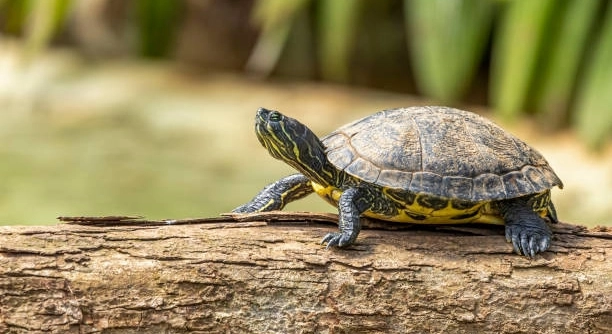
Yellow-Bellied Sliders are popular pet turtles known for their beauty and active nature. However, their shells are vulnerable to rot, which can cause serious health issues if left untreated.
Shell rot in Yellow-Bellied Sliders is a common condition caused by bacteria, fungi, or poor tank conditions. Symptoms of shell rot include soft spots, discoloration, and visible damage to the shell. Early detection is crucial to prevent further harm.
Understanding the warning signs of shell rot will help you catch any problems early. By staying alert to changes in your turtle’s shell, you can ensure they stay healthy and happy.
1. Dark Patches or Discoloration
Dark patches or discoloration on your turtle’s shell may be one of the first signs of shell rot. These dark spots are often caused by infections that affect the shell’s outer layers. If left untreated, these areas can grow larger and become more noticeable, leading to further damage. The color change is typically a sign of the bacterial or fungal infection taking root.
If you notice a spot that’s darker than the rest of the shell, it’s essential to examine the area closely. Pay attention to any changes in texture or shape as well. This discoloration can be the first stage of rot, so catching it early is key to successful treatment. Keep in mind that not all dark patches signal rot, but it’s better to be cautious and monitor any unusual changes.
Regularly inspecting your turtle’s shell and cleaning its habitat is an effective way to prevent infections from occurring in the first place. If you spot any discoloration, take immediate action to identify the cause and ensure proper care.
2. Soft or Spongy Shell
A soft or spongy shell is another warning sign of shell rot. Healthy turtle shells are hard and strong, but an infection can weaken them, making them feel soft to the touch. If your turtle’s shell feels unusually pliable, it may indicate damage beneath the surface.
This softness can often result from bacteria or fungi breaking down the shell material. Without immediate attention, the shell can become progressively weaker, increasing the risk of severe infections. Pay close attention to how your turtle reacts when you gently touch the affected area.
If you notice your turtle’s shell feeling soft, it’s essential to clean its habitat thoroughly and ensure proper lighting and water conditions. You can also apply topical treatments recommended by a vet to help restore the shell’s strength. Keeping your turtle’s environment stable is the best prevention for this issue.
3. Foul Odor
A foul smell coming from your turtle’s shell is another key sign of shell rot. This odor is often a result of bacteria or fungi breaking down the shell, leading to an infection. If you notice this unpleasant smell, it’s important to check your turtle’s shell closely.
The odor can become stronger as the infection progresses, making it difficult to ignore. At this stage, the infection has typically spread beneath the shell’s surface, causing visible damage. This is a clear indication that treatment is needed, and a visit to the vet may be necessary to prevent further deterioration.
To help prevent foul odors, maintaining clean water and proper filtration is essential. Regularly scrub your turtle’s shell and tank to avoid bacteria buildup. A well-maintained environment can help keep your turtle’s shell healthy and free from harmful infections.
4. Cracks or Pitting
Cracks or pitting on the shell surface are often signs of advanced shell rot. When the infection spreads deep into the shell, it can cause the surface to weaken and develop cracks. These pits can sometimes be mistaken for natural growth patterns, but they are often the result of infection.
The damage may be shallow at first but can worsen quickly if untreated. Pitted or cracked areas are more prone to further bacterial growth, which may lead to additional complications like pain and difficulty for your turtle to swim properly. Keep an eye on these changes, as they require swift action to prevent deeper damage.
When you spot cracks or pitting, it’s crucial to address them as soon as possible. A vet can recommend a treatment plan, including medications to help heal the shell and prevent the infection from worsening. Early intervention can make a significant difference in your turtle’s recovery.
5. Swelling or Redness
Swelling or redness around the shell is a common sign of shell rot. It often indicates inflammation caused by infection. If your turtle’s shell appears puffy or inflamed, it’s a clear sign that something is wrong and should not be ignored.
Redness typically appears around the infected area, while swelling can make the shell look bloated. The infection may have spread deeper, affecting the tissues beneath the shell. Left unchecked, this can lead to more serious health issues. Immediate treatment is necessary to reduce swelling and prevent the infection from worsening.
Consulting with a vet is essential for properly diagnosing the extent of the infection and determining the best course of action. They may recommend antibiotics or other treatments to help reduce swelling and speed up recovery.
6. Lethargy and Decreased Appetite
A turtle suffering from shell rot may become lethargic and lose interest in eating. This could be a sign that the infection is affecting its overall health. If your turtle shows a sudden lack of energy and refuses food, it may need immediate attention.
A loss of appetite is often tied to physical distress, and shell rot can cause discomfort, leading to these changes in behavior. The infection can make your turtle feel weak and unwilling to engage in normal activities. While this symptom is not exclusive to shell rot, it often accompanies the condition.
If your turtle shows these signs, make sure to evaluate its shell for other visible symptoms. A vet visit is important to address the underlying infection and prevent more serious complications from developing.
7. Thin or Flaking Shell
A thin or flaky shell is another clear indicator of shell rot. The outer layers of the shell may begin to peel away or appear thinner in certain spots. This can be a sign of the shell losing its strength due to infection.
Shell rot weakens the protective outer layers of the shell, causing it to flake or become thinner over time. The infected areas will not only look fragile but may become more susceptible to further damage and bacteria. Thin or flaky spots are serious and should be addressed as soon as possible.
To prevent this, maintaining a proper diet, lighting, and habitat conditions is crucial for your turtle’s overall shell health. Proper care can help prevent the weakening of the shell and reduce the risk of infections that lead to flaking or thinning.
FAQ
What causes shell rot in Yellow-Bellied Sliders?
Shell rot in Yellow-Bellied Sliders is typically caused by poor water conditions, bacterial or fungal infections, or physical injury to the shell. When a turtle’s shell is exposed to bacteria or fungi, often due to unclean water or stress, the infection can take hold. This leads to the deterioration of the shell’s outer layers.
How do I treat shell rot in Yellow-Bellied Sliders?
Treating shell rot requires addressing the infection and improving the turtle’s environment. For minor cases, cleaning the shell and applying topical antibiotics may help. However, severe cases often require veterinary care. A vet can prescribe oral antibiotics or antifungal medications to treat the infection. Keeping the turtle’s environment clean, with proper filtration and UV lighting, is also critical for healing.
Can shell rot be prevented?
Yes, shell rot can be prevented by maintaining a clean tank, providing proper UVB lighting, and offering a balanced diet. Ensure the water is regularly filtered and changed to avoid bacterial buildup. Also, avoid rough handling or sharp objects in the tank that could damage the shell.
How do I know if my turtle’s shell rot is severe?
Severe shell rot is usually indicated by visible cracks, deep pitting, foul odor, and significant discoloration or soft spots on the shell. If the infection reaches this point, it may cause swelling, redness, and discomfort, affecting your turtle’s overall health. A vet consultation is crucial for advanced cases.
Is shell rot contagious to other turtles?
Shell rot itself is not contagious in the traditional sense, as it is caused by environmental factors like poor water quality or injury. However, bacteria and fungi that cause the infection can spread in unsanitary tank conditions. If you have multiple turtles, it’s important to quarantine the affected turtle and disinfect the tank thoroughly to prevent cross-contamination.
How long does it take for a turtle to recover from shell rot?
Recovery time varies depending on the severity of the infection. For minor cases, healing may take a few weeks, especially if treated promptly. More severe cases can take several months to heal fully. Consistent care, such as regular shell cleaning, medication, and proper tank conditions, will speed up the recovery process.
Can a turtle live with shell rot?
If caught early, a turtle can live through shell rot with proper treatment. However, if left untreated, shell rot can cause lasting damage to the turtle’s shell, leading to serious health problems. Severe or chronic shell rot can lead to deformities, infections in other parts of the body, and even death.
Can I treat shell rot at home?
For minor cases of shell rot, you can start by cleaning the affected area and applying topical medications. However, it’s always best to consult a veterinarian, especially if the symptoms worsen. Home care is only effective in early stages; more severe cases require professional care to prevent further damage and complications.
What should I do if I notice a foul odor coming from my turtle’s shell?
A foul odor is often a clear sign of infection and requires immediate attention. If you notice this smell, examine the turtle’s shell for discoloration, softness, or other signs of rot. Clean the shell carefully, improve the water conditions, and consult a vet for proper treatment. If untreated, the infection could worsen.
How can I tell if my turtle’s shell is healthy?
A healthy turtle’s shell should be hard, smooth, and without visible cracks, discoloration, or soft spots. It should not have any foul odor or signs of infection like swelling, redness, or pitting. Regular inspection of the shell is the best way to ensure it’s in good condition.
Are certain types of turtles more prone to shell rot?
While all turtles are susceptible to shell rot, species kept in poor living conditions are at a higher risk. Yellow-Bellied Sliders, for example, may develop shell rot if their tanks are not kept clean or their environment lacks proper lighting and temperature. Regular tank maintenance is essential for all turtle species to prevent shell rot.
What role does diet play in preventing shell rot?
A proper diet helps maintain a healthy shell by providing essential nutrients like calcium and vitamins. A lack of these nutrients can weaken the shell, making it more susceptible to rot. Feed your turtle a balanced diet, including high-quality turtle pellets, vegetables, and occasional protein, to support overall health.
Can shell rot affect the internal organs of the turtle?
If shell rot is left untreated and becomes severe, the infection can spread to the internal organs, causing systemic health problems. In some cases, bacteria from the shell can enter the turtle’s bloodstream, leading to septicemia, which can be life-threatening. Early treatment is key to preventing this from happening.
How do I maintain the correct water quality to prevent shell rot?
Maintaining clean, properly filtered water is essential to preventing shell rot. Regularly check water parameters, such as pH, temperature, and ammonia levels. Change the water frequently, and make sure your turtle’s tank has an efficient filtration system to keep bacteria and harmful particles at bay.
Final Thoughts
Shell rot is a serious condition that can affect Yellow-Bellied Sliders if not addressed properly. It is caused by poor tank conditions, bacterial or fungal infections, or injuries that lead to the weakening of the shell. Recognizing the signs early on can help prevent the infection from getting worse. Dark patches, softness, foul odor, and cracks are all warning signs to look for. Keeping a close eye on your turtle’s shell and its overall behavior is important in maintaining its health.
Proper tank maintenance is one of the best ways to prevent shell rot. Clean water, good filtration, and the right temperature and lighting are essential for your turtle’s well-being. Ensuring your turtle has a balanced diet also plays a crucial role in maintaining a strong and healthy shell. Avoiding rough handling or situations that might cause injury is equally important. Regularly checking for any unusual changes in the shell will help you catch problems early before they turn into serious issues. If you’re ever unsure, seeking advice from a veterinarian can be a great way to ensure your turtle stays on track.
While shell rot can be treated, it’s much easier to prevent it from happening in the first place. By keeping your turtle’s environment clean, offering a nutritious diet, and staying alert to any signs of illness, you can help keep your pet healthy for years to come. If shell rot does occur, addressing it quickly with proper care and treatment can make a big difference in your turtle’s recovery. With the right attention and care, your Yellow-Bellied Slider can live a long, happy life without the threat of shell rot.

Hello,
If you enjoy the content that we create, please consider saying a "Thank You!" by leaving a tip.
Every little bit helps us continue crafting quality advice that supports the health, happiness, and well-being of pets around the world, for pets of all shapes, sizes, and species.
We really appreciate the kindness and support that you show us!