
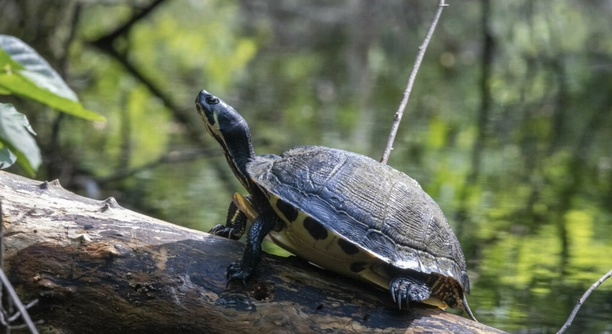
Yellow-Bellied Sliders are popular pet turtles known for their lively personalities and vibrant appearance. However, it’s not uncommon for them to shy away from their tankmates. This behavior can be concerning for pet owners.
Yellow-Bellied Sliders may avoid other tankmates due to territorial behavior, stress, or incompatibility with certain species. Factors such as tank size, environmental conditions, or the presence of a dominant tankmate can also contribute to this avoidance behavior.
Understanding the reasons behind this behavior can help improve the tank environment and create a harmonious space for your slider.
Why Do Yellow-Bellied Sliders Exhibit Avoidance Behavior?
Yellow-Bellied Sliders are known for being social creatures, but sometimes they act distant from their tankmates. This behavior can be a response to various factors in their environment. These turtles are naturally territorial, and when they feel their space is threatened, they may avoid other tankmates. Stress is another significant factor, whether from changes in their environment or handling. If a turtle is feeling unsettled, it may retreat into itself and keep its distance from others. Tank size is also an important consideration. A cramped space can make it hard for them to feel comfortable with other animals. It’s essential to understand the unique needs of these turtles to ensure they thrive in a shared habitat.
Tank conditions, such as temperature, lighting, and water quality, also play a role in how a Yellow-Bellied Slider interacts with tankmates. When these elements are not optimized, the turtle can become stressed, contributing to avoidance behavior. It’s crucial to create a well-maintained and peaceful tank environment.
Incompatible tankmates may also lead to problems. Yellow-Bellied Sliders can become aggressive toward smaller or slower-moving animals, like fish or other reptiles. The presence of more dominant species could further escalate tensions. Ensuring compatible tankmates helps reduce conflict and encourages cooperation.
How Can You Improve Their Social Interactions?
One key factor in improving interactions is providing enough space for all animals. A larger tank allows each pet to establish its own territory and helps reduce stress. Also, monitor the water conditions closely, especially the temperature and pH levels. Proper lighting will ensure your slider feels at ease in its environment.
Adjusting your tank setup can also make a significant difference. If there are any aggressive tankmates, consider moving them to a different tank or introducing them slowly. Sometimes giving the slider more time to acclimate to the new environment will help foster better interactions. Keep an eye on their behavior, and ensure you’re offering enough hiding spots for your turtle. By creating a balanced and calm environment, you can encourage healthier and happier relationships among your pets.
Tank Size and Space Matters
A tank that is too small can increase stress in Yellow-Bellied Sliders. When they don’t have enough room to move around freely, they might feel threatened by others and avoid them. Ensuring your turtle has enough space will help it feel more comfortable.
Yellow-Bellied Sliders require a tank size of at least 40 gallons for a single adult. Larger tanks allow them to establish their territory, giving them more control over their environment. If they are in a cramped space, their natural instinct may be to avoid interaction with other tankmates to prevent feeling crowded. Adding enough swimming space, basking areas, and hiding spots will give the turtle a chance to retreat when it feels stressed, making them less likely to avoid others.
Make sure there are plenty of areas where your turtle can relax or get away from tankmates. A large tank allows for proper ventilation and filtration, reducing stress factors caused by poor water quality. This setup also ensures that there is room for other animals without crowding your turtle.
Stress from Poor Water Conditions
Poor water quality can have a huge impact on how Yellow-Bellied Sliders behave. If the water is dirty or not properly filtered, it can lead to stress. Sliders are very sensitive to their environment, and when the water isn’t clean, they may isolate themselves from other tankmates.
Maintaining clean water is essential for a healthy turtle. Regular water changes, cleaning the tank, and using a good filter can help keep the environment suitable for your turtle. You may also need to monitor water temperature, pH, and hardness. Any imbalances can make your turtle feel uncomfortable or sick, leading to avoidance behaviors. Be sure to test the water regularly and adjust conditions as needed.
Sliders also need proper basking spots and UVB lighting to stay healthy. Without these, they can become stressed or even ill, further reducing their desire to interact with other tankmates. Stress from improper water conditions can affect their behavior, causing them to become more reclusive.
Territorial Behavior
Yellow-Bellied Sliders are naturally territorial, especially when it comes to their space in the tank. They might act aggressively or avoid other tankmates to protect their area. This instinct is strong, and they often feel the need to mark or defend their territory.
To avoid conflicts, you can create distinct zones in the tank. Separate basking spots and swimming areas will give each turtle or tankmate their own space. When they have the chance to claim their area, they are less likely to show avoidance behavior or aggression toward others. Providing enough hiding spots can also reduce tension.
Incompatibility with Tankmates
Certain species of fish or reptiles may not get along with Yellow-Bellied Sliders. If there’s a size or species difference, your turtle might avoid others as a defense mechanism. Avoid mixing your turtle with overly aggressive or fast-moving animals.
Yellow-Bellied Sliders may be less tolerant of smaller or slower tankmates, as they can view them as threats or prey. This can lead to your turtle isolating itself or showing more defensive behaviors. When choosing tankmates, make sure they are of similar size and temperament to avoid these issues.
FAQ
Why is my Yellow-Bellied Slider avoiding other tankmates?
Yellow-Bellied Sliders may avoid other tankmates due to stress, territorial behavior, or environmental factors. When they feel threatened by a new tankmate or if the tank conditions are poor, they may isolate themselves. Stress can also occur when they don’t have enough space to move around, leading to withdrawal from others. Territorial instincts also play a part, as these turtles like to claim their own areas in the tank.
How can I tell if my Yellow-Bellied Slider is stressed?
Signs of stress in a Yellow-Bellied Slider include hiding more than usual, lack of appetite, or aggressive behavior. You may also notice that they are swimming erratically or staying in one spot for long periods. Stress can stem from poor water conditions, overcrowded tanks, or incompatible tankmates. Observing your turtle’s behavior and ensuring the tank environment is optimal will help reduce stress and improve overall health.
What tank conditions should I monitor for a healthy Yellow-Bellied Slider?
To maintain a healthy environment, monitor the temperature (75-85°F for water), water quality, and lighting. Ensure the water is clean and filtered, and test it regularly for pH and hardness. Provide UVB lighting for 10-12 hours daily, as this helps with calcium absorption. A basking area should be available, with temperatures around 88-92°F. All of these factors play a role in your slider’s well-being and social interactions.
Can I add more than one Yellow-Bellied Slider to the same tank?
You can add more than one Yellow-Bellied Slider, but it’s essential to have enough space in the tank. For each turtle, the tank should be at least 40 gallons, with more space required for additional sliders. If you have multiple turtles, make sure there are separate basking spots, hiding places, and enough swimming space to reduce territorial conflict. Monitor their behavior for signs of aggression or stress, and separate them if necessary.
What is the best way to introduce new tankmates to my Yellow-Bellied Slider?
When introducing new tankmates, it’s best to do so slowly. Set up the tank with separate areas so each animal can adjust to the new environment without feeling crowded. Place the new tankmate in a separate section for a few days and gradually allow them to interact under supervision. This gives the Yellow-Bellied Slider time to adapt and reduces the chance of aggression. Be sure to monitor for any signs of conflict once the animals are sharing the space.
How do I prevent my Yellow-Bellied Slider from becoming too aggressive?
Aggression in Yellow-Bellied Sliders is often due to limited space or poor tank conditions. Ensure there is enough room in the tank, and separate basking or hiding spots for each turtle. If aggression occurs, try rearranging the tank to provide more distinct territories. Avoid mixing them with aggressive or overly energetic species. You can also add plants or decorations that act as barriers, providing each turtle with more personal space.
Are certain tankmates more compatible with Yellow-Bellied Sliders than others?
Yes, some species are more compatible with Yellow-Bellied Sliders than others. Slow-moving or peaceful fish, like goldfish or plecos, can often coexist well with turtles. Avoid adding species that are small, fast, or overly territorial, as they might provoke aggression from the slider. It’s best to research potential tankmates thoroughly before adding them to ensure compatibility and avoid stress.
What should I do if my Yellow-Bellied Slider isn’t eating because of other tankmates?
If your slider is not eating because of stress caused by other tankmates, it’s important to assess the situation. Start by separating the aggressor or providing more hiding spots to reduce tension. Ensure that the tank is large enough to accommodate all animals and that water quality is ideal. If the problem persists, consider moving one of the animals to a different tank to give your slider a peaceful environment for eating.
How can I ensure my Yellow-Bellied Slider has enough space in the tank?
Make sure the tank is large enough to accommodate your Yellow-Bellied Slider’s growth and allow for swimming and basking. A single adult slider should have at least 40 gallons of space. Larger tanks, 75 gallons or more, are better for multiple turtles. When setting up the tank, provide separate basking areas and plenty of swimming space to keep your slider from feeling cramped. Reducing overcrowding helps prevent territorial disputes and allows your turtle to live comfortably.
Why does my Yellow-Bellied Slider hide most of the time?
Hiding is a common behavior, especially if the turtle is feeling stressed, sick, or threatened. It could be avoiding other tankmates, or the tank environment might not be suitable. Ensure the water quality is optimal, the temperature is consistent, and the turtle has enough hiding spots. If hiding continues, check for signs of illness and consult a veterinarian if necessary. A peaceful and well-maintained tank can encourage your slider to come out more often.
What can I do if my Yellow-Bellied Slider becomes territorial with other turtles?
Territorial behavior between Yellow-Bellied Sliders can be reduced by increasing space in the tank. Providing multiple basking spots and plenty of room to swim helps to prevent disputes. Separate hiding areas allow each turtle to retreat when needed. If aggression is severe, consider setting up separate tanks to give each turtle the space they need to feel comfortable. Regularly monitor their interactions and make adjustments to the tank setup as needed.
Understanding why your Yellow-Bellied Slider might avoid other tankmates is key to maintaining a healthy and peaceful environment for your turtle. Territorial behavior, stress, and compatibility with other animals are the most common reasons for this avoidance. When a turtle feels threatened or cramped, it may withdraw to its own space to feel safe. This can lead to a decrease in social interaction with tankmates. Ensuring that the tank is large enough, has adequate hiding spots, and offers a balanced environment will help reduce these stressors.
Tank conditions play a significant role in your turtle’s behavior. Poor water quality, improper temperature, or inadequate lighting can cause discomfort, leading to your slider isolating itself. Regularly checking the water parameters and maintaining a clean environment is essential for your turtle’s overall well-being. Additionally, providing the right amount of UVB light and ensuring a proper basking area will allow your slider to feel more at ease in its habitat. A well-maintained tank not only benefits your slider but also enhances its interactions with other animals.
If you have more than one turtle or other tankmates, it’s important to carefully consider their compatibility. Different species or sizes of animals might not get along, leading to tension and stress. Some turtles, including Yellow-Bellied Sliders, can be aggressive toward smaller or slower animals, which can result in avoidance behavior. By choosing compatible tankmates and ensuring enough space for each animal, you can create a peaceful coexistence. Keep an eye on your slider’s behavior, and if needed, adjust the tank setup to meet their needs for a stress-free environment.

Hello,
If you enjoy the content that we create, please consider saying a "Thank You!" by leaving a tip.
Every little bit helps us continue crafting quality advice that supports the health, happiness, and well-being of pets around the world, for pets of all shapes, sizes, and species.
We really appreciate the kindness and support that you show us!