
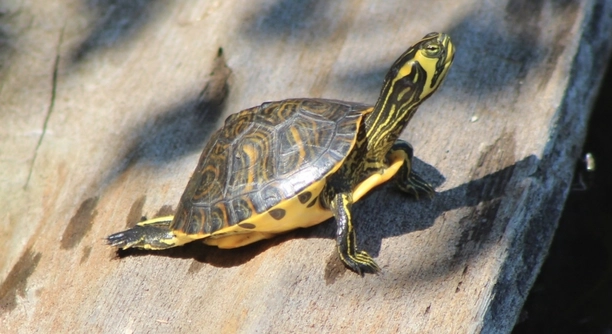
Yellow-Bellied Sliders are popular pet turtles that require a balanced diet to stay healthy. While they eat a variety of foods, it’s important to understand what they can safely consume. In this article, we explore whether green beans are a suitable option for them.
Yellow-Bellied Sliders can eat green beans in moderation. They provide some beneficial nutrients but should not be a major part of their diet. Offering them as a treat alongside their main foods ensures a balanced, varied diet for the turtle.
Green beans are not harmful, but they should not replace essential nutrients. Understanding their role in your slider’s diet will help you make the best choices for their well-being.
Nutritional Benefits of Green Beans for Yellow-Bellied Sliders
Green beans are a good source of vitamins and minerals. They contain Vitamin A, which is essential for a turtle’s eye health, and Vitamin K, which helps with bone health. They also offer fiber, which supports digestion. In addition to these vitamins, green beans have small amounts of calcium and iron, contributing to overall well-being. However, yellow-bellied sliders should not rely on green beans as their primary food. Their main diet should consist of proteins, vegetables, and occasional fruits to meet all their nutritional needs. Green beans can serve as a treat rather than a staple.
Incorporating green beans occasionally can help provide variety in their diet. A small portion once in a while is enough to give your turtle a taste of something new without disrupting its balance.
Feeding your yellow-bellied slider too many green beans could cause digestive upset. While the nutrients they provide are helpful, excessive fiber can lead to bloating or other stomach issues. Balance is key when offering green beans or any other vegetable. Stick to a well-rounded diet to support their long-term health.
How to Safely Serve Green Beans
When preparing green beans for your yellow-bellied slider, make sure to wash them thoroughly to remove any pesticides or chemicals. It’s also best to offer the beans cooked, as raw beans can be difficult for them to digest. Steaming or boiling the beans until soft ensures they’re easier on your turtle’s digestive system. Always cut the beans into small, manageable pieces. Avoid adding any salt or seasoning, as these can harm your pet.
In addition to making the beans easier to eat, cooking them also helps reduce the risk of any potential toxins present in raw green beans. It’s important to keep portions small, as too much of any food can cause health problems. A few bite-sized pieces will suffice as a treat.
Ensuring variety in your slider’s diet will contribute to its overall health. Though green beans can be a part of that, remember that they are just one small piece of the puzzle. Offering a wide range of vegetables and protein sources will provide the nutrients your turtle needs to thrive.
Potential Risks of Feeding Green Beans
While green beans are generally safe for yellow-bellied sliders, overfeeding them can cause issues. Too much fiber can disrupt their digestion, leading to bloating or constipation. It’s important to keep their portions controlled to avoid upsetting their stomach.
Green beans should not replace other essential foods in a turtle’s diet. Over-relying on them might result in an imbalance of nutrients. A diet focused mostly on vegetables like green beans, without enough protein, can leave your slider lacking in key vitamins and minerals. Always balance green beans with other fresh foods.
If you notice signs of discomfort, such as lack of appetite or abnormal behavior after eating green beans, it’s best to cut back on them. Turtles, like humans, have different dietary needs, and some might not tolerate certain foods as well as others. Keeping a close eye on their health after introducing new foods helps prevent any negative effects.
Proper Diet for Yellow-Bellied Sliders
Yellow-bellied sliders need a balanced diet that includes protein, vegetables, and fruits. Their primary food should consist of live or freeze-dried insects, fish, or pellets designed for aquatic turtles. These foods provide the essential nutrients your turtle needs for growth and energy. Vegetables, including green beans, can supplement their meals but should not make up the majority of their intake.
A variety of vegetables, like leafy greens (collard greens, kale), can provide extra nutrients like calcium and vitamins. Fruits such as strawberries or blueberries can also offer a healthy treat in moderation. Keeping their diet diverse is important for their overall health. Protein is just as vital as vegetables, ensuring that your slider stays strong and active.
Remember that portion sizes matter. Your yellow-bellied slider’s diet should be tailored to its age, size, and activity level. Adjust the amount of food depending on these factors to keep your pet at a healthy weight. Regularly assessing their condition will help you fine-tune their diet and avoid problems later on.
How Often to Feed Green Beans
Green beans should be given as an occasional treat. Offering them once or twice a week is plenty. Overfeeding could cause digestive upset, so it’s important to keep servings small. Rotate them with other vegetables to provide variety and ensure balanced nutrition for your slider.
Feeding green beans more often than this can lead to an imbalance in your turtle’s diet. Since they don’t offer the full range of nutrients needed for healthy growth, they should not be a staple food. Offering a variety of other vegetables and proteins is key to long-term health.
Other Vegetables for Yellow-Bellied Sliders
Leafy greens like kale, dandelion greens, and collard greens should be included in your slider’s diet regularly. These vegetables provide essential vitamins, minerals, and calcium. They also support digestion and help keep your slider healthy. Avoid iceberg lettuce, as it lacks nutrients and offers little benefit to your pet.
A balanced diet also includes vegetables like zucchini and carrots, which are high in fiber and easy for your turtle to digest. Adding these options to your slider’s meals ensures they are getting enough variety and essential nutrients. It’s best to offer a mix of vegetables for optimal health.
FAQ
Can yellow-bellied sliders eat raw green beans?
It’s best to avoid giving raw green beans to yellow-bellied sliders. Raw green beans can be tough for them to digest. The beans also contain lectins, which can cause digestive issues in large amounts. To make them safer, it’s recommended to cook the beans lightly by steaming or boiling them. This makes the beans softer and easier for your turtle to digest, while also reducing the risk of any toxins. Always cut them into small pieces before offering them to your pet.
How do I know if my yellow-bellied slider is eating enough?
Monitoring your turtle’s eating habits is key to ensuring they are getting enough food. A healthy yellow-bellied slider will actively eat a variety of foods and maintain a healthy weight. If your turtle is refusing food or seems lethargic, it may be a sign that something is wrong. Adjust their diet based on their age and activity level. Younger sliders need more protein, while older turtles require more vegetables. Regularly check their body condition to ensure they aren’t underweight or overweight. If you’re unsure, it’s best to consult a vet.
Are there any vegetables I should avoid feeding my yellow-bellied slider?
Yes, there are some vegetables to avoid. Iceberg lettuce is low in nutrients and can cause digestive problems. Rhubarb contains oxalates, which can be toxic to turtles in large amounts. Avocado is another food to steer clear of, as it contains a substance called persin, which is harmful to turtles. Onions and garlic are also not safe for turtles, as they can cause stomach upset and other health issues. Always research any new food before offering it to your slider.
How much variety should I offer in my turtle’s diet?
Variety is essential for a healthy diet, but it doesn’t need to be overwhelming. Your slider’s meals should consist of a mix of protein sources, vegetables, and occasional fruits. Offering different vegetables ensures they receive a wide range of vitamins and minerals. Alongside green beans, try offering kale, dandelion greens, and zucchini. You can also include insects, shrimp, or turtle pellets as a primary protein source. Rotate their food to keep their meals interesting and balanced. Providing variety supports optimal health and prevents nutritional deficiencies.
Can I feed my yellow-bellied slider fruit regularly?
Fruits can be given to yellow-bellied sliders but should be offered in moderation. Fruits like strawberries, blueberries, and apples can be a tasty treat, but they’re high in sugar. Too much sugar can cause obesity and other health problems in turtles. Fruits should make up only a small part of their diet, and it’s best to serve them occasionally. You can cut up the fruit into small, bite-sized pieces to make it easier for your slider to eat. Always remove seeds from fruits like apples to prevent choking.
What should I do if my turtle refuses food?
If your yellow-bellied slider isn’t eating, it could be a sign of stress, illness, or improper diet. First, check the temperature of their tank. If the water is too cold, it can make them lose their appetite. Ensure the tank environment is suitable, with clean water and appropriate lighting. If the diet isn’t varied or balanced, try offering different foods to see if they are more interested. If the refusal to eat continues for more than a couple of days, it’s a good idea to consult a veterinarian to rule out any health issues.
How often should I feed my yellow-bellied slider?
Young yellow-bellied sliders should be fed daily, while adult turtles typically only need feeding 2-3 times a week. You can offer a variety of foods each time to ensure they get the right balance of nutrients. If you’re feeding your turtle pellets or protein-rich foods, portion sizes are crucial. Overfeeding can lead to obesity, while underfeeding can result in malnutrition. Keep track of your slider’s eating habits and adjust their feeding schedule based on their age, size, and activity level.
Are there any special foods I should feed my yellow-bellied slider for better health?
For better health, it’s important to provide a diet rich in calcium and vitamins. You can supplement their meals with calcium powder or cuttlebone, which helps promote strong shell and bone development. Adding dark leafy greens, like kale or collard greens, ensures your slider gets enough calcium. Vitamin A-rich foods, such as carrots and squash, are also beneficial for eye health. Make sure to provide a balanced mix of protein, vegetables, and fruits to support overall health.
Can yellow-bellied sliders eat lettuce?
Yes, yellow-bellied sliders can eat lettuce, but not all types are equally nutritious. Romaine lettuce is the best option, as it contains more nutrients than iceberg lettuce. Iceberg lettuce is mostly water and lacks essential vitamins and minerals, making it a poor choice for a regular part of their diet. While lettuce can be offered occasionally as part of a mix of vegetables, it should not be the main component of your slider’s meals. Stick to more nutrient-dense greens for their main vegetable intake.
Final Thoughts
Green beans can be a safe and healthy treat for yellow-bellied sliders when given in moderation. They offer a good source of vitamins, such as Vitamin A and Vitamin K, along with some fiber, which can support your turtle’s digestion. However, green beans should not make up the bulk of your slider’s diet. Their main diet should focus on a variety of protein sources, leafy greens, and other vegetables to ensure they are getting a balanced mix of nutrients. Offering green beans too often or in large amounts could upset their digestive system, so it’s important to keep portions small and occasional.
When feeding your yellow-bellied slider, it’s essential to offer a variety of foods. While green beans are fine as a treat, they should be part of a larger range of vegetables and proteins. Turtles require a well-balanced diet, including dark leafy greens, fruits, and other vegetables to meet their nutritional needs. Make sure you include protein sources like insects, shrimp, or turtle pellets for optimal health. By rotating different foods, you provide the vitamins, minerals, and other nutrients your turtle needs to grow, stay healthy, and have plenty of energy.
Ultimately, feeding your turtle a diverse and balanced diet is the key to its long-term health. Green beans can be an enjoyable addition to your slider’s meals, but they are only one small part of the bigger picture. Keep their meals varied and be mindful of the amounts to avoid any issues. If you notice any health changes, like a lack of appetite or digestion problems, make sure to assess their diet and environment. Always be prepared to consult a veterinarian if you have concerns about your slider’s diet or overall well-being.

Hello,
If you enjoy the content that we create, please consider saying a "Thank You!" by leaving a tip.
Every little bit helps us continue crafting quality advice that supports the health, happiness, and well-being of pets around the world, for pets of all shapes, sizes, and species.
We really appreciate the kindness and support that you show us!