
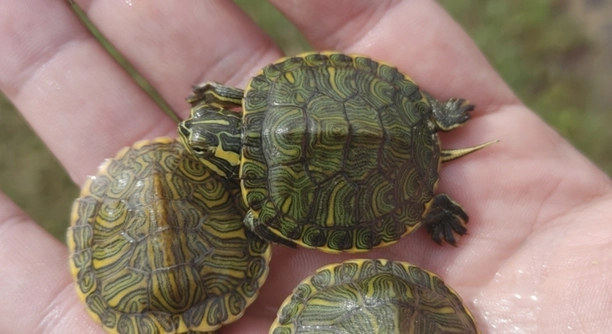
Yellow-bellied sliders are popular pets that thrive in aquatic environments. Ensuring that their habitat is properly set up is crucial for their well-being. This includes the right accessories to make their tank more comfortable and healthy.
There are several essential accessories that can enhance the environment of your yellow-bellied slider tank. Proper filtration, basking platforms, UVB lighting, heating elements, substrate, decorations, and water conditioners are key items to consider for a thriving habitat.
With the right tank accessories, you can create an environment that promotes both the health and happiness of your yellow-bellied slider. Let’s explore the essentials in detail to help you get started.
1. The Importance of a Good Filtration System
A reliable filtration system is one of the most important accessories for your yellow-bellied slider’s tank. These turtles produce a lot of waste, which can quickly dirty the water. A good filter will help keep the water clean by removing debris and harmful bacteria. This not only improves the overall appearance of the tank but also contributes to your turtle’s health. The cleaner the water, the less likely your turtle will suffer from illnesses like shell rot or respiratory issues.
When choosing a filter, it’s crucial to consider the size of the tank. A filter designed for tanks that are at least 1.5 times the size of your tank will ensure effective filtration. Look for one that can handle both mechanical and biological filtration. This will ensure that particles are removed and the beneficial bacteria needed to break down waste are supported.
A quality filter is an investment in the long-term health of your yellow-bellied slider. Without it, you’ll spend more time maintaining the tank and keeping it clean, which can be a hassle. A good filtration system gives you more time to enjoy your turtle’s company.
2. Basking Platforms for Healthy Sun Exposure
A basking platform is a must-have for your turtle’s well-being. This provides your yellow-bellied slider with a place to dry off and bask in the warmth. UVB light is essential for turtles to synthesize vitamin D3, which helps them absorb calcium. Without proper access to UVB rays, your turtle may suffer from metabolic bone disease.
Basking platforms are available in various designs, such as floating platforms or those that attach to the side of the tank. Choose one that allows your turtle to easily climb out of the water and dry off completely. The platform should be sturdy and provide enough space for your turtle to rest comfortably.
These platforms mimic natural conditions where yellow-bellied sliders spend time on logs or rocks to bask in the sun. Providing a basking platform gives your turtle a chance to maintain its health, so make sure it’s positioned directly under the UVB light for maximum benefit.
3. UVB Lighting for Proper Health
UVB lighting is essential for your turtle’s health. Yellow-bellied sliders need exposure to UVB light to properly metabolize calcium and avoid bone-related health issues. Without it, they are at risk of developing shell deformities and weakened bones.
UVB lights should be placed above the basking platform, where your turtle can absorb the necessary rays while resting. It’s important to replace the bulb regularly, as its effectiveness decreases over time, even if it still looks like it’s working. Turtles require approximately 10-12 hours of UVB light each day, mimicking natural sunlight.
Proper UVB lighting creates a balance between warmth and light, essential for your turtle’s overall well-being. Be sure to monitor the intensity of the light and the duration of exposure. You can even use a UVB meter to check the output, ensuring your turtle gets the full benefits.
4. Water Heater for Stable Temperatures
Maintaining the right water temperature is crucial for your yellow-bellied slider’s comfort. Water that’s too cold can cause your turtle to become sluggish and less active, while water that’s too warm can stress it. A reliable water heater ensures that the water stays at a constant temperature within the ideal range, typically between 75-80°F (24-27°C).
The water heater should be able to handle the volume of your tank. Choose one with adjustable settings so you can control the temperature precisely. Be sure to place the heater where it won’t be easily disturbed, and keep it away from direct water flow to avoid over-heating in certain areas.
A quality heater reduces the need for manual temperature checks, saving you time. It also helps create a more stable environment, keeping your turtle comfortable and healthy. Be sure to pair it with a thermometer to keep track of the water temperature.
5. Substrate for the Bottom of the Tank
Choosing the right substrate for the bottom of your tank is important. Gravel or sand works best for yellow-bellied sliders as it allows them to dig and explore. Avoid using small, loose materials that could be ingested.
The substrate also plays a role in maintaining water quality. It can provide a place for beneficial bacteria to thrive, helping break down waste. Make sure the substrate is clean and regularly changed to prevent any buildup of harmful bacteria. A clean bottom will also help maintain your turtle’s habitat for longer.
6. Tank Decorations for Enrichment
Tank decorations are a great way to provide enrichment for your turtle. Hiding spots, plants, and rocks can mimic a natural environment, offering opportunities for exploration and exercise. Your turtle will appreciate having places to hide, rest, and interact with.
Make sure any decorations you choose are non-toxic and designed for aquatic use. Rocks should be large enough that they cannot be swallowed or moved around too easily. Also, avoid sharp edges that could potentially harm your turtle’s shell or skin. Decorations add variety to your turtle’s environment, keeping them stimulated and active.
FAQ
What size tank do yellow-bellied sliders need?
Yellow-bellied sliders need a spacious tank to thrive. The minimum size for an adult turtle is a 75-gallon tank. Larger tanks are better, as they give your turtle more space to swim and explore. If you have more than one turtle, you’ll need an even larger tank. A bigger tank also helps maintain water quality since there’s more room for filtration to work effectively. When setting up, consider the size your turtle will reach as an adult and plan accordingly.
How often should I clean my yellow-bellied slider’s tank?
Cleaning your yellow-bellied slider’s tank should be done weekly, with partial water changes every 7-10 days. Regular water changes prevent the buildup of waste and harmful bacteria. You should also scrub the tank walls and remove any uneaten food or debris. Deep cleaning, which includes rinsing the filter and changing the substrate, can be done every 4-6 weeks. Always use a gentle, non-toxic cleaner to avoid harming your turtle. Cleaning regularly will help maintain a healthier environment for your turtle and reduce the risk of diseases.
Do I need a UVB light for my yellow-bellied slider?
Yes, UVB lighting is crucial for your yellow-bellied slider. It helps them metabolize calcium and prevents shell deformities and metabolic bone disease. Turtles need 10-12 hours of UVB light daily. The UVB light should be placed directly above the basking area, where your turtle can soak in the rays. Without UVB lighting, your turtle may suffer from health problems over time, so it’s essential to provide this light regularly. Ensure that the light bulb is replaced every 6-12 months as its UVB output decreases with use.
Can yellow-bellied sliders live with other types of turtles?
Yellow-bellied sliders can sometimes live with other turtles, but it’s important to be cautious. Some species may have different environmental needs or can be more aggressive. Make sure that the tank is large enough for everyone and that there are enough basking spots. You should monitor their interactions closely, as conflicts can arise over territory or food. If you’re unsure, it’s safer to keep them alone to avoid stress or injury. Always do thorough research on the species you want to introduce.
How can I tell if my yellow-bellied slider is sick?
If your yellow-bellied slider is sick, there are a few signs to look for. A loss of appetite, lethargy, or abnormal behavior such as excessive basking or swimming at the water’s surface can be signs of illness. Physical symptoms like a swollen or soft shell, labored breathing, or mucus around the eyes or nose also indicate potential health problems. If you notice any of these symptoms, it’s important to consult a vet who specializes in reptiles. Regularly monitoring your turtle’s behavior and health is key to catching issues early.
What should I feed my yellow-bellied slider?
Yellow-bellied sliders are omnivores, which means they need a balanced diet of both plant and animal matter. You can feed them commercially prepared turtle pellets, supplemented with vegetables like leafy greens, and occasional protein sources such as live or frozen insects, small fish, or worms. Avoid feeding them iceberg lettuce, as it has little nutritional value. It’s important to vary their diet to ensure they get the vitamins and minerals they need for healthy growth and shell development. Make sure to remove any uneaten food to prevent water contamination.
How often should I feed my yellow-bellied slider?
Young yellow-bellied sliders need to be fed more frequently, usually every day. As they grow, you can reduce their feeding to 3-4 times a week. Overfeeding can lead to obesity and other health issues, so always offer an appropriate portion. Monitor your turtle’s weight to ensure it’s staying healthy. Keep track of the food they’re eating and avoid leaving uneaten food in the tank, as it can affect water quality. Be sure to offer a variety of food items to ensure a balanced diet.
Do yellow-bellied sliders hibernate?
Yellow-bellied sliders can hibernate, but they typically do so in the wild when the water temperature drops below 50°F (10°C). In captivity, however, they generally don’t hibernate unless the water temperature drops too low. To prevent this, ensure that the water temperature stays within the recommended range (75-80°F). If your turtle does appear to go into a dormant state, it could be due to a health issue or environmental stress. It’s important to keep the tank at a stable temperature year-round to avoid hibernation.
Can yellow-bellied sliders be kept in outdoor ponds?
Yes, yellow-bellied sliders can live in outdoor ponds, as long as the pond is secure and has both basking areas and water deep enough for swimming. The pond should be free of predators, such as raccoons or birds of prey, that might harm your turtle. You’ll also need to provide a UVB light source if the turtle doesn’t have enough exposure to sunlight. Make sure the pond’s water temperature stays within the ideal range and that the filtration system is up to the task. An outdoor pond can be a great space for your turtle to live, but it requires proper management to ensure its health and safety.
Final Thoughts
Taking care of a yellow-bellied slider requires attention to detail and commitment to their environment. Providing the right tank setup, including proper lighting, temperature, and filtration, is key to ensuring your turtle’s health. Each accessory you choose, from basking platforms to UVB lights, plays an important role in creating a comfortable and safe home for your slider. With the right care, your turtle can thrive in its environment, grow strong, and live a long life.
Regular maintenance is also crucial. Cleaning the tank, changing the water, and checking the equipment will help keep everything in working order. A good routine will not only maintain a healthy habitat but also make caring for your turtle easier. Pay attention to any changes in behavior or physical condition. This can help you spot potential health issues early on. Don’t hesitate to consult a vet if something seems off. Regular checks will ensure that your turtle remains happy and healthy.
Yellow-bellied sliders are wonderful pets, and with the proper tank accessories, you can provide them with a suitable home. These turtles need an environment that mimics their natural habitat as much as possible. By providing a good balance of water quality, basking areas, and temperature control, you can create a comfortable space for your turtle to enjoy. Remember, the key to a thriving slider is consistency. By staying on top of maintenance and offering a variety of accessories, you’ll help your turtle lead a healthy, fulfilling life.

Hello,
If you enjoy the content that we create, please consider saying a "Thank You!" by leaving a tip.
Every little bit helps us continue crafting quality advice that supports the health, happiness, and well-being of pets around the world, for pets of all shapes, sizes, and species.
We really appreciate the kindness and support that you show us!