
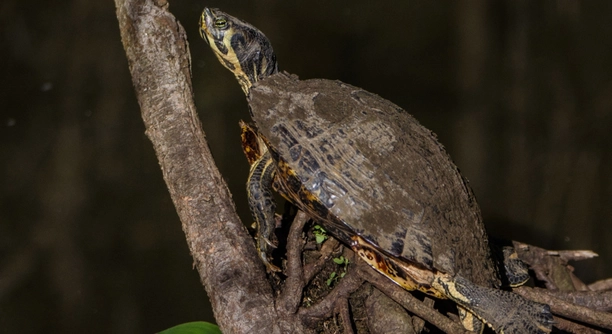
Yellow-Bellied Sliders are fascinating reptiles that can exhibit unusual behaviors. One common action is rubbing against rocks, which may seem puzzling but is a natural part of their behavior. Understanding this instinct helps ensure proper care for your pet.
Rubbing against rocks is a typical behavior for Yellow-Bellied Sliders, primarily due to their need to shed skin or remove parasites. This action also provides physical stimulation and helps with maintaining proper shell health, which is crucial for their well-being.
This behavior is not only a part of their natural instincts but also an important aspect of their overall health. Understanding this will help maintain a comfortable and healthy environment for your turtle.
Why Do Yellow-Bellied Sliders Rub Against Rocks?
Yellow-Bellied Sliders use rocks and other hard surfaces to help with shedding their skin. As they grow, they naturally shed layers of skin, a process called ecdysis. Rubbing against rocks helps them remove the old skin, ensuring it doesn’t become a source of irritation. The action also aids in cleaning the shell and skin, keeping them free from debris. It’s important to note that this behavior is natural and not a sign of distress. It is merely part of their regular routine, helping them maintain a healthy, clean environment.
A Yellow-Bellied Slider may also rub against rocks to relieve itchiness or discomfort. If they have parasites, the rough texture of rocks can help dislodge them. This is especially true if the slider is not given access to a proper basking area.
When considering your turtle’s habitat, adding smooth rocks or driftwood will give your slider a suitable area to engage in this behavior. It allows them to take care of their natural needs while keeping their space clean. Keep the tank tidy to avoid excessive skin buildup, which can lead to health issues.
The Importance of a Proper Basking Area
A well-designed basking area is essential for the health of your Yellow-Bellied Slider. It helps regulate their body temperature and encourages natural behaviors, such as shedding. A basking spot that is too small or poorly placed can cause stress, impacting their overall well-being. Proper lighting and warmth are crucial.
Ensure your basking area has a heat source that provides the right temperature. The basking platform should be dry and accessible, allowing the turtle to fully dry off after swimming. This not only helps with shedding but also prevents the growth of harmful bacteria. Consider adding a UVB light to help with calcium absorption.
If your slider’s basking area is inadequate, they may begin to rub against rocks excessively. This behavior could indicate a need for a better heat source or basking spot. Providing a consistent, comfortable basking area is key to maintaining your turtle’s health and encouraging natural behavior.
Understanding Shell Health
Your slider’s shell is essential for its protection and overall health. Rubbing against rocks may be an effort to maintain a clean and healthy shell. Regular shell care ensures the turtle is free from debris and possible infections. A well-maintained shell supports overall well-being.
Regularly checking the shell for signs of damage or infection is important. If your slider rubs against rocks excessively, there could be an underlying issue like an injury or shell rot. It’s vital to monitor their behavior and act quickly if any unusual changes occur.
Possible Signs of Skin Issues
Skin problems in Yellow-Bellied Sliders are common, especially when they’re kept in poor conditions. If they rub against rocks frequently, it could indicate irritation or infection. Pay attention to redness, swelling, or peeling skin. These can all point to potential health concerns that require treatment.
Infections caused by bacteria or fungi may develop on the skin if left untreated. A healthy diet and clean environment are key factors in avoiding these problems. Keep your turtle’s habitat clean, and ensure they have access to proper lighting, warmth, and filtration.
FAQ
Why does my Yellow-Bellied Slider rub its face on rocks?
Rubbing the face on rocks is a common behavior for Yellow-Bellied Sliders. It helps them shed skin, especially around the head and neck area. The rough texture of rocks aids in loosening dead skin. This action is completely normal and is part of their self-care routine.
How often should my Yellow-Bellied Slider rub against rocks?
The frequency of rubbing against rocks depends on the individual turtle and its environment. If the slider is in a clean, well-maintained habitat with proper basking areas, the behavior may occur occasionally. However, excessive rubbing could indicate skin irritation or an environment issue, like improper temperature or humidity levels.
Is it a sign of stress when my Yellow-Bellied Slider rubs against rocks?
Not necessarily. While rubbing against rocks is part of normal behavior, it could become a sign of stress if the slider is doing it excessively or aggressively. If your turtle is constantly rubbing, it could indicate an uncomfortable environment, such as a poorly designed basking area or inadequate water conditions.
Can I stop my Yellow-Bellied Slider from rubbing against rocks?
It’s best not to stop the behavior entirely, as it’s a natural process for them to shed skin and maintain shell health. However, if excessive rubbing becomes a concern, it may be worth reassessing their habitat and ensuring they have everything they need for a comfortable and healthy environment.
Should I be worried if my Yellow-Bellied Slider rubs against rocks frequently?
Frequent rubbing may require attention. If your slider is rubbing more than usual, check for skin irritation, shell damage, or poor water conditions. Regular monitoring and addressing any underlying health issues or environmental problems will help reduce excessive behavior.
Could my Yellow-Bellied Slider be rubbing against rocks because of parasites?
Yes, rubbing against rocks can help a turtle dislodge parasites. If the turtle is experiencing discomfort due to parasites, it may rub against hard surfaces to relieve irritation. A proper tank cleaning routine and regular vet check-ups can help manage parasite issues.
How can I tell if my Yellow-Bellied Slider has skin infections or injuries?
Look for signs of redness, swelling, or peeling skin. If your slider’s skin appears irritated or damaged, it could be a sign of infection or injury. Inspect the shell as well, as any cracks or soft spots can lead to further problems. Consult a veterinarian if needed.
What temperature should the basking area be to prevent excessive rubbing?
The basking area should be between 85°F and 90°F (29°C to 32°C). A comfortable basking temperature will help your turtle maintain its health, reduce stress, and prevent excessive rubbing. Keep the water temperature between 75°F and 80°F (24°C to 27°C) to support overall well-being.
Can poor water quality cause my Yellow-Bellied Slider to rub against rocks?
Yes, poor water quality can lead to skin irritation, prompting your turtle to rub against rocks. Ensure the water is filtered and cleaned regularly. Check the pH, ammonia, and nitrate levels to keep them within a healthy range. Clean water promotes a healthy environment and reduces discomfort.
What other activities can my Yellow-Bellied Slider engage in besides rubbing against rocks?
Yellow-Bellied Sliders enjoy swimming, basking, and climbing on rocks. Providing a variety of surfaces and activities, such as submerged logs or platforms, will give your turtle different ways to engage and keep it active. Enriching their environment helps prevent boredom and supports natural behaviors.
How do I know if my Yellow-Bellied Slider is in pain when rubbing against rocks?
If your turtle seems to be rubbing excessively or in a way that looks uncomfortable, it could be a sign of pain. Watch for signs like limping, abnormal posture, or a lack of appetite. If these symptoms appear, consult a veterinarian for proper diagnosis and treatment.
Can I help my Yellow-Bellied Slider shed skin more easily?
Providing a clean and well-maintained environment helps make the shedding process easier. Ensure your turtle has access to a suitable basking area and that the water is at the correct temperature. Offering different surfaces, like smooth rocks or logs, will also assist in the natural shedding process.
Final Thoughts
Understanding the behavior of your Yellow-Bellied Slider, especially when it rubs against rocks, is key to ensuring its well-being. This behavior is natural and part of their self-care routine, particularly for shedding. While it may seem unusual at first, it is important to recognize that turtles need to shed their skin regularly to maintain a healthy appearance. The rough texture of rocks helps them achieve this by loosening and removing the old skin. When this behavior occurs in moderation, there’s no need for concern.
However, if you notice that your slider is rubbing excessively or showing signs of irritation, it might be a sign of an underlying issue. Factors such as water quality, temperature, or even shell health could play a role. Maintaining a clean habitat with the right environmental conditions is crucial for keeping your turtle comfortable. Providing a proper basking area with the correct temperature and UVB lighting will help reduce the need for excessive rubbing. A well-maintained environment promotes healthy skin and shell, preventing unnecessary discomfort for your slider.
Ultimately, your Yellow-Bellied Slider’s natural behaviors should be monitored and understood in the context of its environment. While rubbing against rocks is generally harmless, it’s important to stay observant. Regular checks on the condition of your turtle’s skin and shell, along with maintaining water quality, will ensure your pet remains healthy and happy. If you observe any unusual symptoms or changes in behavior, consulting a veterinarian can provide peace of mind.

Hello,
If you enjoy the content that we create, please consider saying a "Thank You!" by leaving a tip.
Every little bit helps us continue crafting quality advice that supports the health, happiness, and well-being of pets around the world, for pets of all shapes, sizes, and species.
We really appreciate the kindness and support that you show us!