
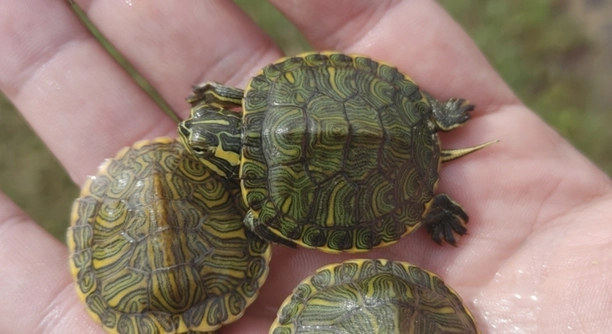
Is your yellow-bellied slider spending an unusual amount of time swimming near the surface? Observing this behavior can be puzzling and may leave you wondering about potential causes behind your pet’s actions.
Yellow-bellied sliders often swim near the surface due to environmental changes, respiratory issues, or simply seeking food. Ensuring proper water quality, diet, and habitat conditions is essential to maintaining your slider’s health and well-being.
Discover the key reasons behind this behavior and how to address any concerns, ensuring your slider thrives in its aquatic environment.
Common Reasons Your Yellow-Bellied Slider Swims Near the Surface
Yellow-bellied sliders often exhibit surface-swimming behavior for practical reasons like searching for food or basking. However, environmental factors such as poor water quality or inadequate basking spots may also encourage this behavior. Additionally, health concerns like respiratory infections can drive your turtle to seek more oxygen. Observing their environment and daily habits can provide insights into these behavioral changes.
Maintaining a clean habitat with stable temperatures and ample basking areas is essential for your turtle’s well-being. Routine monitoring of water quality and ensuring a balanced diet can prevent many issues associated with surface swimming.
If this behavior persists or worsens, consulting a reptile veterinarian is advised. Early intervention can address potential health problems, ensuring your slider stays healthy and active. Watching for additional signs like lethargy or labored breathing can help pinpoint any underlying issues quickly.
Addressing Environmental Triggers
Creating a stable and healthy habitat for your slider is crucial. Ensure their tank has clean water, proper filtration, and an appropriate temperature gradient. A suitable basking area with UVB lighting supports their overall health.
Water quality is particularly important. Test regularly for ammonia, nitrate, and pH levels to ensure they remain within safe ranges. Poor water conditions can lead to stress or illness, prompting surface swimming. Investing in a high-quality filter and performing routine water changes will help maintain a healthy aquatic environment.
A healthy diet is equally important. Feeding your slider a mix of pellets, leafy greens, and occasional protein treats ensures they receive the nutrients they need. Consistent care and attention to their environment will minimize stress and promote natural behaviors.
Recognizing Health Concerns
Surface swimming paired with labored breathing or lethargy may indicate respiratory infections. These infections are often caused by inadequate water temperature or poor habitat hygiene, making immediate attention to tank conditions and veterinary care essential.
Respiratory infections in yellow-bellied sliders often result in symptoms such as nasal discharge, wheezing, or an uneven swimming pattern. Maintaining water temperatures between 75-85°F and providing a dry, warm basking area can prevent these issues. If symptoms arise, isolate the turtle in a separate, clean tank with slightly elevated temperatures to aid recovery before seeking veterinary help.
Ensuring your turtle has a balanced diet can also support their immune system and overall health. Include a variety of foods like commercial pellets, vegetables, and occasional protein. Proper care minimizes health risks and keeps your slider active and thriving.
Encouraging Natural Behaviors
Providing a stimulating environment encourages healthy and natural behaviors. Incorporate features like floating plants or rocks to mimic their natural habitat and reduce stress. Consistent lighting schedules also help regulate their activity levels.
A well-structured environment benefits both their mental and physical health. For instance, setting up a basking dock in a sunny spot and maintaining consistent water temperatures helps your turtle feel secure. Small additions like hiding spots can prevent stress, which often leads to unusual behaviors. Regular monitoring of their activity ensures their needs are met and promotes long-term well-being.
Ensuring Proper Hydration
Yellow-bellied sliders rely on clean water for hydration and comfort. Stagnant or dirty water can discourage them from drinking, leading to potential health concerns. Regular water changes and filtration are essential to maintain hydration and prevent stress.
Additionally, always ensure the water depth is appropriate. Shallow water can restrict movement, while overly deep water may create stress for weaker turtles. A balanced setup allows your slider to swim comfortably, hydrate, and feel secure in its habitat.
Monitoring Behavioral Changes
Sudden changes in activity levels, like increased surface swimming or reduced appetite, can indicate a problem. These changes should not be ignored, as they often reflect environmental or health-related concerns requiring immediate attention.
Maintaining a Safe Habitat
Check tank decorations and equipment regularly for safety. Sharp edges or broken parts can cause injuries and stress your slider. Always prioritize their comfort and well-being in your habitat setup.
FAQ
Why is my yellow-bellied slider swimming frantically near the surface?
Frantic swimming can indicate stress or discomfort. Check water quality, temperature, and tank size to ensure optimal conditions. Overcrowding, sudden changes in their environment, or lack of hiding spots may also contribute to this behavior. Addressing these factors often calms them down.
How do I know if my turtle is struggling to breathe?
Watch for signs like frequent gasping, wheezing, or lopsided swimming. These symptoms can indicate respiratory issues. If you notice these behaviors, consult a veterinarian immediately and ensure the tank environment is clean, warm, and stable.
What water temperature is ideal for yellow-bellied sliders?
Maintain water temperatures between 75°F and 85°F. Cooler temperatures can weaken their immune system, while higher temperatures may cause unnecessary stress. Use a reliable water heater and thermometer to ensure consistent temperatures within this range.
Can surface swimming indicate hunger?
Yes, turtles often associate surface activity with feeding. If your slider swims near the surface during feeding times, it may simply be hungry. Feed them a balanced diet of commercial pellets, leafy greens, and occasional protein to meet their nutritional needs.
What should I do if my slider refuses to swim or eat?
Lethargy and loss of appetite could signal illness or stress. First, inspect the tank setup, ensuring clean water, a proper basking area, and no overcrowding. Persistent symptoms warrant a visit to a reptile veterinarian for further evaluation and treatment.
Is it normal for sliders to bask more than swim?
Yes, basking is a vital behavior for yellow-bellied sliders as it helps regulate their body temperature and prevents shell infections. However, if basking is excessive and they avoid water entirely, check the water temperature and quality for potential issues.
Why does my turtle seem scared when I approach the tank?
Turtles may act shy if they are not accustomed to human interaction. Gradual handling and consistent feeding routines can build trust. Avoid sudden movements or loud noises around the tank, as these can cause unnecessary stress.
How often should I clean the tank?
Partial water changes should be done weekly, and a full tank cleaning is recommended every month. Regular maintenance prevents harmful bacteria buildup and keeps the water clean and healthy for your turtle.
Do yellow-bellied sliders need UVB lighting?
Yes, UVB lighting is crucial for their health. It helps them synthesize vitamin D3, which aids in calcium absorption for strong bones and shell. Ensure the UVB bulb is replaced every 6-12 months as its effectiveness diminishes over time.
Can poor tank size cause surface swimming?
A tank that is too small can lead to stress and unusual behaviors like constant surface swimming. Provide at least a 75-gallon tank for an adult slider, allowing ample space to swim, bask, and explore comfortably.
How can I tell if my turtle is stressed?
Signs of stress include excessive hiding, frantic swimming, loss of appetite, or aggressive behavior. Addressing environmental issues, such as tank size, water quality, or overcrowding, often reduces stress and promotes natural behavior.
What foods should I avoid feeding my turtle?
Avoid feeding your turtle processed foods, dairy products, or foods high in fat and salt. These can disrupt their digestive system and lead to long-term health problems. Stick to a balanced diet suited for turtles.
Can surface swimming be a sign of boredom?
Yes, lack of enrichment can cause repetitive or unusual behaviors like surface swimming. Add floating plants, hiding spots, or tank decorations to create a more stimulating environment and keep your slider active and engaged.
Final Thoughts
Caring for a yellow-bellied slider requires understanding their behavior and providing a healthy, balanced environment. Surface swimming can be a sign of curiosity, a need for attention, or potential issues like stress or discomfort. Observing their actions closely helps identify if adjustments are needed in their habitat, diet, or routine. A clean and spacious tank with proper water temperature and lighting supports their overall well-being.
Consistency is key when maintaining a slider’s habitat. Regular cleaning, stable water quality, and access to UVB lighting help them thrive. Providing a balanced diet that includes commercial pellets, leafy greens, and occasional protein sources ensures their nutritional needs are met. Enrichment, such as floating plants or hiding spots, adds variety to their environment and keeps them active and content.
By paying attention to your turtle’s behavior and addressing any concerns early, you can promote their long-term health and happiness. Simple adjustments to their care routine often make a big difference. Yellow-bellied sliders are resilient creatures, but they rely on attentive care to thrive in captivity. When you meet their needs, they reward you with engaging behavior and a healthy, active presence in their aquatic habitat.

Hello,
If you enjoy the content that we create, please consider saying a "Thank You!" by leaving a tip.
Every little bit helps us continue crafting quality advice that supports the health, happiness, and well-being of pets around the world, for pets of all shapes, sizes, and species.
We really appreciate the kindness and support that you show us!