
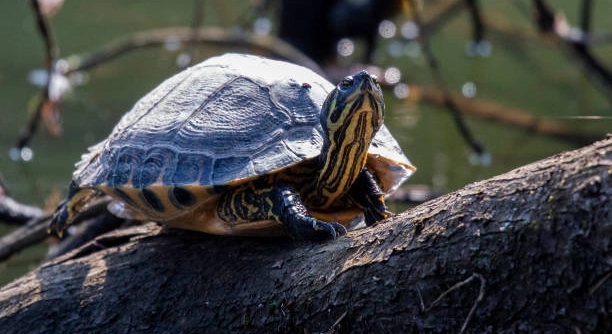
Yellow-bellied sliders are fascinating reptiles with diverse dietary habits. If you’re curious about feeding them live worms, understanding their nutritional needs and safety considerations is essential for maintaining their health and well-being.
Yellow-bellied sliders can eat live worms as a supplement to their diet. Worms are a rich source of protein, which supports growth and energy. However, they should not replace a balanced diet consisting of aquatic plants, commercial turtle food, and other protein sources.
Feeding your slider live worms can be rewarding, but knowing the benefits and risks ensures a healthy, happy pet.
Nutritional Benefits of Live Worms
Live worms are an excellent addition to a yellow-bellied slider’s diet, providing a natural and protein-rich food source. Protein is crucial for muscle development, energy, and overall growth. Live worms also stimulate a slider’s hunting instincts, encouraging natural behaviors. Common options include earthworms, mealworms, and bloodworms. These are widely available and easy to source. However, feeding worms exclusively can lead to an unbalanced diet. Yellow-bellied sliders thrive on variety, requiring a mix of vegetables, commercial turtle pellets, and occasional animal protein. Incorporating live worms responsibly supports their health while offering enrichment opportunities during feeding time.
Worms are beneficial but should not be overfed. Too much protein can cause health issues like kidney problems or shell deformities. Moderation ensures that live worms remain a healthy part of your slider’s diet.
To keep your pet healthy, always select clean, pesticide-free worms from reputable sources.
Feeding Considerations and Safety
When feeding live worms, hygiene and safety are crucial. Worms should be fresh, free of contaminants, and pesticide-free. Avoid wild-caught worms, as they may carry parasites or toxins harmful to your slider.
Yellow-bellied sliders benefit from portion control. Young turtles may eat live worms more frequently due to their higher protein needs. Adults, however, require less protein, with live worms offered occasionally as treats. A varied diet ensures they receive all essential nutrients.
Prepare worms by rinsing them under clean water before feeding. Offering them in a shallow dish or directly in the water makes consumption easier and reduces waste. Paying attention to portion sizes, sourcing quality worms, and maintaining variety in their diet ensures your slider stays healthy and active.
How to Incorporate Live Worms into Their Diet
Introduce live worms gradually into your yellow-bellied slider’s diet to avoid digestive issues. Start with small portions once or twice a week. Observe your turtle’s response to ensure they adapt well to the new food source.
Offer worms as part of a balanced diet alongside vegetables and pellets. For variety, alternate between different worm types like mealworms, earthworms, and bloodworms. Ensure worms are appropriately sized to prevent choking hazards, especially for younger turtles. Place the worms in water or a shallow dish to encourage natural hunting behavior.
Avoid overfeeding by monitoring portion sizes. Excessive protein from worms can disrupt their dietary balance. A general rule is to offer a few worms per feeding, adjusting based on your slider’s size and appetite. Consistency and variety in their meals help maintain optimal health and nutrition.
Potential Risks of Feeding Live Worms
Feeding live worms comes with some risks, particularly when sourcing them from unknown or unreliable places. Wild-caught worms might carry parasites or pesticides harmful to your slider. Always purchase worms from pet stores or suppliers who ensure they are clean and safe.
Overfeeding protein-rich worms can cause health issues like kidney strain or pyramiding—a condition that affects shell development. Ensure worms are a treat rather than a primary food source. Providing a balanced diet that includes vegetables and commercial turtle food is essential to prevent these risks.
Frequency of Feeding Live Worms
Feed live worms once or twice a week as a treat, not a staple. Overfeeding can lead to excessive protein intake, which may cause long-term health issues for yellow-bellied sliders, including kidney problems or poor shell development.
Monitor your slider’s appetite and adjust feeding frequency based on their size and age. Younger sliders need more protein for growth, while adults require a more balanced diet with fewer animal-based foods like worms.
Choosing the Right Worms
Select worms that match your turtle’s size to prevent choking hazards. Mealworms and earthworms are popular choices for yellow-bellied sliders. Always ensure the worms are fresh, clean, and free from pesticides or contaminants before feeding them to your turtle.
Observing Your Slider’s Health
Keep an eye on your slider’s behavior and shell condition after incorporating live worms into their diet. Adjust feeding practices if necessary to maintain their health and well-being.
FAQ
Can yellow-bellied sliders eat worms every day?
Feeding yellow-bellied sliders worms every day is not advisable. While worms provide essential protein, they should not be the primary food source. Offering worms once or twice a week helps maintain a balanced diet. Too many worms can lead to excessive protein intake, which may cause health issues like kidney problems or shell deformities. A varied diet that includes aquatic plants, commercial turtle food, and occasional protein sources is necessary for overall health.
Are all types of worms safe for yellow-bellied sliders?
Not all worms are safe for yellow-bellied sliders. Avoid feeding wild-caught worms, as they may carry parasites or pesticides that could harm your turtle. The safest worms are those sourced from reputable pet stores or suppliers who ensure cleanliness and proper care. Mealworms, earthworms, and bloodworms are commonly available and generally safe when purchased from trusted sources. Always rinse worms before offering them to your slider to remove any dirt or contaminants.
How do I know if my slider is getting too many worms?
It’s essential to watch for signs that your yellow-bellied slider may be consuming too many worms. If your turtle begins to gain excess weight, shows reduced activity levels, or has noticeable changes in shell growth, it may be a sign that the protein intake is too high. Adjust their diet accordingly, reducing the frequency of worms and increasing vegetables or other protein sources. Balance is key to maintaining your turtle’s health.
Can feeding live worms help with my turtle’s natural behavior?
Yes, feeding live worms can encourage your turtle’s natural hunting instincts. Yellow-bellied sliders are opportunistic feeders and enjoy the challenge of chasing and catching live prey. This behavior helps stimulate their mental and physical well-being, offering both enrichment and exercise. However, ensure that live worms are offered in controlled amounts to avoid overfeeding and maintain a balanced diet.
Should I feed worms with the shell of the worm still intact?
Yes, feeding worms with their shells intact is safe for yellow-bellied sliders. The shell provides additional nutrients, including fiber, which can aid digestion. However, be sure the worms are fresh and clean, as old or decomposing worms can cause health problems. If you’re concerned about digestion, you can break the worms into smaller pieces to make them easier for your slider to handle.
Can yellow-bellied sliders eat freeze-dried worms instead of live worms?
Freeze-dried worms are an acceptable alternative to live worms, although they may lack some of the moisture and nutrients found in their live counterparts. Freeze-dried worms can be fed occasionally as part of a balanced diet, but they should not replace live worms or other fresh foods. Make sure to rehydrate freeze-dried worms before feeding to prevent digestive issues.
How do I store live worms for my turtle?
To store live worms, keep them in a cool, dry place. Most worms, like mealworms or earthworms, need proper ventilation to stay alive. Place them in a container with small holes for airflow and keep them in a refrigerated or cool environment. If you’re using worms as a regular part of your turtle’s diet, ensure the container is clean and that the worms are not overcrowded.
Can I feed my yellow-bellied slider too many protein-rich foods?
Yes, overfeeding protein-rich foods, including live worms, can negatively impact your yellow-bellied slider’s health. Excessive protein can lead to kidney damage, obesity, and shell deformities like pyramiding. A balanced diet that includes a mix of vegetables, aquatic plants, and occasional protein sources is vital for their well-being. Protein should only be about 30-40% of their overall diet, and variety should be emphasized.
How often should I clean my turtle’s tank if I’m feeding live worms?
If you’re feeding live worms, you may need to clean your turtle’s tank more frequently. Live worms can leave behind uneaten bits and waste, which can pollute the water and promote harmful bacteria. Cleaning the tank weekly or after each feeding helps keep the environment clean and safe for your turtle. Be sure to remove any leftover worms and debris promptly to avoid water contamination.
Are there any signs that my turtle is allergic to worms?
Although it’s rare, some turtles might have mild allergic reactions to certain types of worms. Signs of an allergy can include swelling, redness around the mouth, or an upset stomach. If you notice any of these symptoms after feeding worms, stop offering them and consult a veterinarian. It’s important to identify any food sensitivities to ensure your turtle receives appropriate nutrition without causing harm.
Final Thoughts
Feeding live worms to yellow-bellied sliders can be a beneficial part of their diet when done correctly. These turtles naturally enjoy protein, and worms provide a rich source that can help support their growth and energy needs. However, it’s crucial to remember that worms should only be an occasional treat and not a regular food source. Too many worms can lead to an imbalance in their diet, causing health problems like kidney stress or shell deformities. A balanced diet, including vegetables, commercial turtle food, and occasional protein, is essential for maintaining their overall well-being.
Introducing live worms gradually to your slider’s diet allows them to adapt without overloading their digestive system. The size and type of worm also matter; always choose worms that are appropriately sized for your turtle to prevent choking or digestive issues. It’s a good idea to offer worms in a shallow dish or the water to mimic natural hunting behaviors. This encourages physical activity and mental stimulation, which benefits their health. Additionally, always ensure the worms are free from harmful chemicals, parasites, or contaminants by purchasing them from reputable sources.
In conclusion, while worms can add variety to a yellow-bellied slider’s diet, they should be given in moderation. Overfeeding or relying too heavily on live worms can disrupt the turtle’s nutritional balance. Always monitor their overall health, behavior, and shell condition after feeding live worms to ensure they are thriving. With the right approach, live worms can be a healthy and enjoyable treat that supports your turtle’s natural instincts and well-being.

Hello,
If you enjoy the content that we create, please consider saying a "Thank You!" by leaving a tip.
Every little bit helps us continue crafting quality advice that supports the health, happiness, and well-being of pets around the world, for pets of all shapes, sizes, and species.
We really appreciate the kindness and support that you show us!