
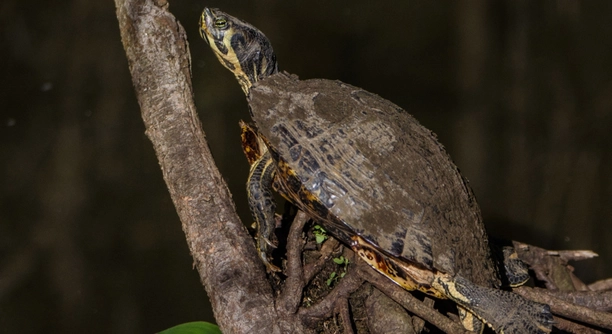
If your yellow-bellied slider stops eating, it can be a sign that something is wrong. Turtles are creatures of habit, and any change in behavior may indicate health or environmental concerns.
Several factors could be causing your yellow-bellied slider to stop eating, including stress, water temperature issues, or illness. A thorough check of their habitat and overall health can help you identify the underlying problem and address it quickly.
By looking into these factors, you’ll be able to provide the care your slider needs and restore their appetite. Keep reading to learn more about what could be affecting their eating habits.
Stress and Environmental Changes
If your yellow-bellied slider has stopped eating, stress could be a major factor. Turtles are sensitive to changes in their environment, and even small adjustments can have a big impact. New surroundings, loud noises, or sudden changes in light can trigger stress. A common cause is moving their tank or adding new tank mates. Turtles thrive in stable conditions, so maintaining a consistent environment is key to their well-being.
In addition to stress, overcrowding in the tank or an unbalanced habitat may also cause anxiety. Ensure the tank size is appropriate for your slider and that it has enough space to move freely. It’s also important to minimize any external disruptions, such as loud noises or too much activity near their tank.
Keeping your slider’s habitat calm and stable is one of the easiest ways to prevent stress-related eating issues. Adjusting the environment to be peaceful and balanced can often help restore your turtle’s appetite. Make sure their tank is free from too much traffic or noise.
Water Temperature and Conditions
If your turtle isn’t eating, the water temperature might be too high or too low. Yellow-bellied sliders are cold-blooded animals, so their metabolism depends heavily on their surroundings. If the water temperature is outside their preferred range of 75-80°F (24-27°C), it could affect their appetite. Too cold or too warm water will make your slider sluggish and uninterested in food.
Regularly check the temperature with a reliable thermometer and adjust the water heater accordingly. If the temperature is too cold, it can cause your slider to become lethargic. On the other hand, overly warm water may make them uncomfortable, causing a loss of appetite. Keeping a stable, appropriate water temperature is essential to ensure your slider stays healthy and hungry.
Other water conditions, such as high ammonia levels or dirty water, can also discourage eating. Regular water changes and filtration will help maintain a healthy and clean environment for your slider. The cleanliness of their tank directly affects their overall health and willingness to eat.
Illness or Infection
If your yellow-bellied slider is suddenly refusing food, illness or infection may be to blame. Common signs include a swollen shell, red or irritated eyes, and abnormal behavior. These symptoms could indicate a variety of issues, from respiratory infections to parasites.
If you notice any unusual signs in your turtle, it’s important to consult a vet. An illness can affect your turtle’s ability to eat or digest food properly. Conditions such as a respiratory infection or parasites can also cause a lack of appetite. Early detection is key, so don’t hesitate to schedule a vet appointment if needed.
Sometimes, a simple change in diet can help, but if the illness persists or worsens, professional help is necessary. Taking the time to identify and treat health issues early will prevent complications. A well-cared-for slider with no underlying health issues will be much more likely to resume eating.
Diet and Feeding Habits
Your yellow-bellied slider may stop eating due to an imbalance in its diet. If they’ve been eating the same food for a while, they may have become bored with it. Try offering a variety of fresh vegetables, fruits, and occasional protein like shrimp or fish.
If your slider is refusing food, you might want to consider adjusting the type or variety of food you’re providing. A lack of nutrition could also cause them to lose their appetite. Some turtles are pickier eaters than others, so offering different foods may encourage them to eat again. However, make sure the food is appropriate for their age and size.
Ensure you’re offering the right amount of food as well. Overfeeding can lead to unhealthy eating habits, while underfeeding can leave them disinterested. Be mindful of portion sizes to maintain their health. Proper feeding practices are essential for a happy and healthy turtle.
Tank Size and Space
If your yellow-bellied slider isn’t eating, their tank size might be the problem. A cramped environment can cause stress and make your turtle less active. It’s essential to ensure they have enough space to move around comfortably.
A tank that’s too small can limit your slider’s natural behavior, affecting their appetite. Ensure they have a space that’s appropriate for their size, with plenty of room to swim and bask. A larger, well-maintained tank can help prevent stress and encourage eating. Proper space is crucial for their overall health and well-being.
Lighting and Basking Areas
Proper lighting is essential for your slider’s health and appetite. Yellow-bellied sliders need UVB light to help them metabolize calcium and maintain healthy shells. Without it, they can become lethargic and may stop eating.
Make sure the basking area is well-lit with UVB light and that your turtle has a place to dry off and warm up. Adequate light and heat will help keep them active and encourage natural eating behaviors. Check that the lighting is working correctly and is in the proper range for your slider’s needs.
Routine and Feeding Schedule
Turtles thrive on routine, and having a regular feeding schedule can help your slider maintain a healthy appetite. If their feeding times are inconsistent or irregular, they may become disinterested in food.
Set a specific time each day for feeding your slider. Consistency in feeding can help regulate their eating habits and ensure they receive the nutrition they need. A well-established routine promotes a sense of stability and security, which can lead to a more active and hungry turtle.
FAQ
What should I do if my yellow-bellied slider isn’t eating?
If your turtle isn’t eating, check for stressors in their environment, such as a temperature imbalance, poor water quality, or any signs of illness. You may also want to evaluate their diet and feeding schedule. If the issue persists, consult a vet to rule out any underlying health problems. Adjust the water temperature to an optimal range of 75-80°F and clean the tank regularly.
How can I tell if my turtle is sick?
Signs of illness in a yellow-bellied slider include lethargy, swollen or soft shell, unusual eye discharge, or a lack of interest in food. They might also exhibit irregular swimming or float upside down. If you notice these signs, take your turtle to a vet. Illnesses like respiratory infections or parasites can affect your turtle’s appetite and overall health. Catching health problems early ensures a better chance for recovery.
Can stress cause my turtle to stop eating?
Yes, stress can cause a yellow-bellied slider to stop eating. Factors like a new tank, sudden changes in lighting, loud noises, or unfamiliar surroundings can lead to stress. Overcrowding in their habitat can also increase stress. To help reduce stress, make sure your turtle’s environment remains calm and stable. Ensure the tank is the right size and that they’re not being disturbed by outside noise.
Is it normal for my yellow-bellied slider to fast occasionally?
Occasionally, yellow-bellied sliders may fast, especially during colder months. However, prolonged refusal to eat is not normal and should be investigated. It’s also possible that they’re picky eaters or bored with their food. If they’re not eating for several days, make sure their water temperature is correct and that their habitat is clean. If fasting persists, a vet visit is recommended.
How do I prevent my turtle from becoming picky with food?
To prevent your turtle from becoming picky, offer a variety of foods. Rotate their meals between vegetables like kale, lettuce, and collard greens, along with occasional fruits and protein such as shrimp, fish, or worms. Introduce new foods gradually, ensuring they get a balanced diet. Regularly switching up their meals can keep them interested and prevent food aversion.
Could the tank size affect my turtle’s appetite?
Yes, the size of the tank plays a major role in your slider’s health. If the tank is too small, your turtle might feel cramped, stressed, and may lose its appetite. Yellow-bellied sliders need plenty of room to swim and bask. A larger tank offers a better environment, reducing stress and encouraging more active behavior. The minimum tank size for one slider should be at least 40 gallons.
What water temperature is best for a yellow-bellied slider?
Water temperature is crucial for your turtle’s metabolism. The ideal water temperature for a yellow-bellied slider is between 75-80°F (24-27°C). If the water is too cold, your turtle may become sluggish and refuse to eat. Too hot water can make them uncomfortable and lead to a lack of appetite. Ensure the tank has a heater that keeps the water within the proper range, and use a thermometer to monitor it regularly.
How often should I feed my yellow-bellied slider?
Feed your yellow-bellied slider every day or every other day, depending on their age. Hatchlings and juveniles typically need daily feeding, while adults can be fed less frequently, usually every other day. Overfeeding can lead to obesity, so provide only the amount they can eat in 15-30 minutes. Make sure the food is appropriately sized for their age and size.
How can I tell if my turtle’s water is clean?
To ensure your turtle’s water is clean, check for clarity and monitor for any strong odors or visible waste. The water should look clear, and the tank should be free of debris. Invest in a reliable filter and change the water regularly—at least once every week or as needed. Testing the water for ammonia, nitrites, and nitrates can also help determine if the water is safe for your slider.
Should I worry if my turtle’s eyes are swollen or red?
Swollen or red eyes are signs of a possible infection or health issue, often linked to poor water conditions or inadequate UVB light. If your yellow-bellied slider’s eyes are swollen, it could be a sign of a respiratory infection or vitamin A deficiency. To address this, clean the tank regularly and ensure your turtle has access to proper UVB lighting. If symptoms persist, it’s essential to take your turtle to a vet.
What is the best food for my yellow-bellied slider?
A balanced diet is key to your turtle’s health. Offer a mix of leafy greens such as kale and collard greens, high-quality turtle pellets, and occasional protein sources like shrimp, fish, or worms. Additionally, small amounts of fruit can be offered as treats. It’s essential to provide variety to avoid boredom and to meet all their nutritional needs.
Final Thoughts
Taking care of a yellow-bellied slider requires attention to detail and a commitment to providing the best environment for your turtle. If your turtle stops eating, it can be a sign that something in their habitat or health needs adjustment. Identifying the cause of their lack of appetite involves checking the water temperature, diet, and overall living conditions. Stress, illness, and an unbalanced environment can all contribute to a loss of appetite. By addressing these factors, you can help your turtle return to their usual eating habits.
Regularly maintaining your turtle’s tank and offering a variety of food can prevent many common issues that lead to eating problems. Keep the water clean, provide adequate lighting, and ensure the space is large enough for your turtle to swim freely. By creating a stable, comfortable environment, you’ll reduce the likelihood of your turtle becoming stressed or ill. It’s also important to monitor your turtle’s behavior for any signs of illness, such as swollen eyes, lethargy, or a soft shell. If you notice any unusual symptoms, a visit to the vet may be necessary.
While it’s normal for turtles to occasionally skip a meal, prolonged loss of appetite is something that should be addressed as soon as possible. Yellow-bellied sliders need a balanced diet, proper care, and regular attention to their environment to stay healthy and active. With the right steps, you can help your turtle regain its appetite and maintain long-term health. Taking action when something seems off is the best way to ensure your slider stays happy and well-nourished.

Hello,
If you enjoy the content that we create, please consider saying a "Thank You!" by leaving a tip.
Every little bit helps us continue crafting quality advice that supports the health, happiness, and well-being of pets around the world, for pets of all shapes, sizes, and species.
We really appreciate the kindness and support that you show us!