
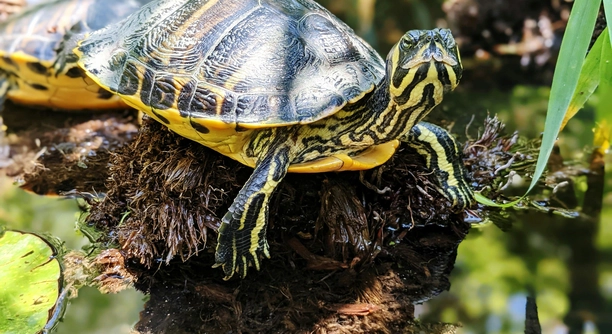
Are your yellow-bellied sliders skipping their usual hibernation routine? It might leave you puzzled, but understanding their behavior is essential for their well-being. Let’s explore the possible reasons behind this unexpected change in their natural cycle.
Yellow-bellied sliders might refuse to hibernate due to improper temperatures, insufficient light exposure, or underlying health conditions. Environmental and physiological factors both play significant roles in disrupting their instinct to enter brumation during colder months.
Knowing why your sliders resist hibernation can help ensure their health and comfort. Let’s uncover the key reasons and practical solutions for this behavior.
Improper Temperatures
Temperature plays a crucial role in triggering a yellow-bellied slider’s hibernation instincts. If the tank’s environment is too warm, they may not sense the need to brumate. Sliders require a gradual cooling period to prepare their bodies for this dormant state. Mimicking seasonal temperature changes in their habitat can help maintain their natural cycles and prevent confusion. This includes adjusting water temperatures and creating a colder zone within their enclosure to match their natural environment.
Maintaining consistent temperature control is vital for their overall health. Ensure you monitor water and basking areas carefully to provide the correct conditions.
When temperatures are consistently high, sliders may remain active, which can strain their energy reserves. Long-term exposure to improper temperatures can lead to stress and health complications. Providing the correct range will keep them comfortable and better aligned with their natural instincts.
Insufficient Light Exposure
Proper light exposure is just as important as temperature for hibernation.
Yellow-bellied sliders rely on light cycles to signal seasonal changes. Inconsistent lighting, such as prolonged artificial daylight or lack of UVB exposure, can confuse their biological clock. A structured lighting schedule mimicking natural patterns helps maintain their natural behavior, including hibernation.
Ensure their enclosure has a reliable UVB bulb and a timer to regulate day and night cycles. Regular light adjustments can create an optimal environment for your slider to thrive. When paired with the right temperatures, adequate lighting supports a balanced and healthy lifestyle, reducing the risk of skipping hibernation.
Health Issues
Health problems can prevent yellow-bellied sliders from hibernating. Issues like respiratory infections, parasites, or poor nutrition can disrupt their ability to prepare for brumation. Regular veterinary check-ups are essential to detect and address these concerns early.
Sliders with respiratory infections may struggle to breathe properly, making it harder for them to slow down their metabolism for hibernation. Parasites can also drain their energy reserves, leaving them too weak for this natural process. Ensuring a balanced diet with essential nutrients helps strengthen their immune system, making it easier for them to stay healthy and follow their natural cycle.
Addressing potential health problems quickly is crucial for your slider’s well-being. Look for signs like lethargy, changes in appetite, or unusual behavior. Acting early can make a significant difference in keeping your pet happy and healthy, whether they hibernate or remain active.
Improper Diet
An improper diet can impact your slider’s ability to hibernate.
Yellow-bellied sliders need a well-rounded diet to stay healthy. A mix of fresh vegetables, protein sources, and commercial turtle food provides the nutrients they require. Malnutrition can leave them too weak to enter hibernation or cause irregular behavior.
Avoid overfeeding or relying on a single food type, as this can lead to obesity or deficiencies. Proper portion sizes and varied meals help your slider stay in peak condition. Regularly evaluate their diet to ensure they’re getting all the nutrients they need. Balanced nutrition supports their energy levels, improves their health, and encourages natural behavior patterns, including hibernation.
Stressful Environment
A stressful environment can affect your slider’s ability to hibernate. Loud noises, frequent handling, or inadequate hiding spots can make them feel unsafe, disrupting their natural behavior. Creating a calm and secure habitat is key to reducing stress.
Providing plenty of hiding spaces and minimizing disturbances helps them feel comfortable. Avoid sudden changes in their surroundings, as this can create unnecessary anxiety. A peaceful environment supports their overall well-being and encourages natural cycles like hibernation.
Incorrect Humidity Levels
Improper humidity levels can impact your slider’s health and behavior.
Yellow-bellied sliders need balanced humidity to stay healthy. Too much moisture can lead to skin infections, while overly dry conditions may cause dehydration. Monitoring and maintaining the proper humidity in their enclosure is crucial to support their natural instincts and avoid complications.
Lack of Seasonal Cues
Without clear seasonal cues, yellow-bellied sliders may not recognize the need to hibernate.
Gradual changes in temperature, lighting, and feeding schedules help mimic natural seasons. Adjusting these factors encourages their biological clock to align with the time of year, promoting healthy and natural behavior.
FAQ
What temperature is ideal for yellow-bellied sliders during hibernation?
The ideal temperature for hibernating yellow-bellied sliders is between 50°F and 60°F. Temperatures below 50°F can be dangerous, while warmer temperatures might prevent hibernation entirely. A controlled environment helps maintain their safety and supports their natural instincts during this period.
How can I tell if my slider is preparing to hibernate?
Signs of hibernation preparation include reduced activity, decreased appetite, and a preference for hiding in cool, dark areas. These behaviors indicate your slider is adjusting its metabolism in response to environmental changes. Monitoring their behavior helps you provide the right support.
Is it dangerous for a slider to skip hibernation?
Skipping hibernation is not inherently dangerous if their environment is stable and their health is good. However, consistent disruptions to their natural cycles, such as poor conditions or stress, can lead to long-term health problems. Observing their behavior is essential to ensure they remain healthy.
Should I stop feeding my slider before hibernation?
Gradually reducing their food intake is important before hibernation. Feeding too close to hibernation can lead to undigested food in their stomach, which may rot and cause severe health issues. A gradual decrease over several weeks helps prepare their body properly.
What should I do if my slider wakes up early from hibernation?
If your slider wakes up early, ensure their environment is warm and stable. Gradually reintroduce food, starting with small portions of easy-to-digest items. Early waking can indicate improper conditions, so check their enclosure’s temperature and light settings to avoid future disturbances.
How do I create a safe space for hibernation?
A safe hibernation space involves a controlled environment with the right temperature, humidity, and hiding spots. Use a substrate like damp soil or moss to maintain proper moisture levels. Ensure the area is quiet and free of disturbances to reduce stress.
Can I force my slider to hibernate?
Forcing hibernation is not recommended. If environmental cues are correct and your slider is healthy, they will naturally enter hibernation. Forcing the process can lead to stress and health problems. Focus on providing optimal conditions and let their instincts guide them.
Do indoor sliders need to hibernate?
Indoor sliders do not necessarily need to hibernate as long as their environment remains consistent. Hibernation is a natural process triggered by outdoor seasonal changes, but it is not mandatory for survival. Providing a stable habitat helps keep them healthy and active year-round.
What are the risks of improper hibernation?
Improper hibernation can cause health issues like dehydration, infections, or organ damage. It’s essential to monitor their environment and health closely. Addressing problems early prevents complications and ensures their hibernation period is safe and successful.
When should I seek veterinary help?
Seek veterinary help if your slider shows unusual behavior, such as prolonged lethargy, refusal to eat, or visible health issues like swelling or discharge. Regular check-ups also help detect hidden health problems and keep your pet in optimal condition.
Final Thoughts
Understanding why yellow-bellied sliders might refuse to hibernate is essential for their well-being. Factors like improper temperatures, insufficient light exposure, stress, and health problems can all play a role in disrupting their natural cycle. Observing their behavior and making adjustments to their environment can ensure they stay comfortable and healthy, whether they choose to hibernate or not.
Creating a suitable habitat with the right temperature, lighting, and hiding spaces can make a big difference. Small changes, like regulating their diet or adjusting the seasonal cues in their enclosure, can help them align with their natural instincts. It’s also important to watch for signs of stress or illness, as these can affect their ability to thrive. Regular check-ups and careful monitoring can help you catch and address issues early.
Hibernation is a natural process, but not every slider will follow it perfectly. By providing a stable and safe environment, you’re giving them the best chance to stay healthy and happy. Whether they hibernate or remain active, ensuring their needs are met is the most important thing. Taking the time to understand and care for your slider will help them live a long, healthy life.

Hello,
If you enjoy the content that we create, please consider saying a "Thank You!" by leaving a tip.
Every little bit helps us continue crafting quality advice that supports the health, happiness, and well-being of pets around the world, for pets of all shapes, sizes, and species.
We really appreciate the kindness and support that you show us!