
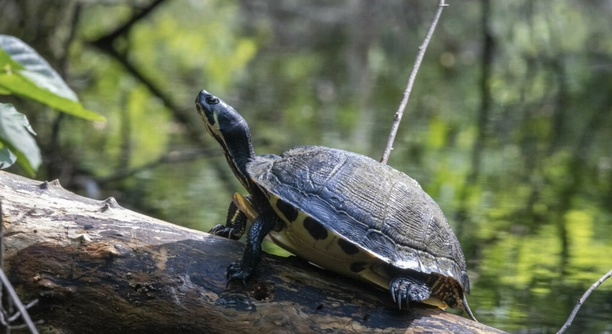
Yellow-bellied sliders are popular aquatic pets, known for their vibrant colors and friendly nature. However, keeping them in a tank that’s both healthy and low-maintenance requires some planning and care.
To create a low-maintenance tank for yellow-bellied sliders, focus on providing them with clean water, proper lighting, and a simple filtration system. Opt for a spacious enclosure with a basking area to maintain both their health and comfort.
By ensuring these elements are in place, you can simplify tank upkeep while still supporting the well-being of your slider.
Choosing the Right Tank Size for Your Slider
When setting up a tank for your yellow-bellied slider, size matters. A general rule of thumb is that the tank should provide at least 10 gallons of water for each inch of your slider’s shell length. These turtles can grow quite large, so be prepared for a spacious setup. A 40-gallon tank is a good starting point for smaller sliders, but as they grow, you’ll need to upgrade to a 75-gallon tank or more.
Keep in mind that yellow-bellied sliders need both swimming space and a dry basking area. Ensure the tank has enough depth for them to dive and swim comfortably. Avoid overcrowding with too many decorations or accessories, as this will limit their movement and make cleaning more difficult.
Providing enough room will not only keep your slider happy, but it will also reduce the maintenance needed to keep the tank clean. A larger tank helps dilute waste, making the filtration system more effective.
Water Quality and Filtration
A good filtration system is crucial for maintaining clean water. Yellow-bellied sliders produce a lot of waste, which can quickly pollute their environment. A high-quality filter will help keep the water clear and reduce the frequency of water changes.
Investing in a filter rated for a larger tank size than yours will ensure it works efficiently. Regular cleaning of the filter and monitoring water quality is essential to prevent bacteria growth and algae buildup. This will reduce maintenance in the long run. A filter that works well can also minimize the need for frequent water changes, saving time.
Make sure the water temperature stays between 75-80°F (24-27°C) for optimal health. A reliable heater may be needed during cooler months, especially if the tank is in a room with fluctuating temperatures.
Creating a Proper Basking Area
Yellow-bellied sliders need access to dry surfaces where they can bask under a heat source. This helps them regulate their body temperature and aids in the development of their shells. A proper basking area should be at least one-quarter of the tank’s size.
Use a sturdy platform or a ramp that leads to the dry space. The area should be positioned under a UVB light and heat lamp to mimic the natural sunlight they would get in the wild. UVB light helps them absorb calcium and maintain healthy bones and shells. Make sure the light is placed at the correct distance from the basking spot to avoid overheating.
It’s important to monitor the basking area temperature. Ideally, it should range from 85°F to 90°F (29-32°C) for best results. Setting up a thermometer to check the temperature will help avoid any issues. A well-maintained basking area reduces the overall care needed for your turtle’s health and happiness.
Temperature Regulation
Maintaining the right temperature in both the water and basking area is vital. Yellow-bellied sliders thrive in a warm environment, so it’s essential to invest in a quality heater. In the water, temperatures should be kept between 75-80°F (24-27°C), while the basking area should stay around 85-90°F (29-32°C).
Invest in a thermometer to regularly check both areas. Without proper heating, your slider may not be able to digest food properly or may suffer from stress. This could lead to health problems down the line, which would require more attention and intervention. Make sure to adjust the tank’s heater based on the ambient temperature of the room to prevent overheating or underheating.
Having a consistent temperature reduces stress on your slider and makes it easier to maintain the overall tank environment. Monitoring and adjusting the temperature as needed allows for a low-maintenance setup and supports your slider’s well-being.
Selecting the Right Substrate
Choosing the right substrate is important for maintaining a clean and safe environment. Gravel or smooth river rocks are ideal for bottom coverage, as they prevent waste from settling. Avoid using sand or small pebbles, as these can be accidentally ingested, which can lead to digestive problems.
The substrate should be easy to clean, allowing waste and debris to be easily vacuumed or removed during water changes. Consider using a bare bottom tank if you want to minimize cleaning time. Some owners also opt for aquarium-safe ceramic tiles, as they can be easily wiped down and don’t trap debris.
Proper substrate choices will help maintain water clarity and make maintenance tasks like cleaning simpler. Keeping the bottom of the tank clean with minimal effort is crucial for reducing the time spent on upkeep.
Lighting and UVB Requirements
Yellow-bellied sliders require both UVB and UVA light to stay healthy. UVB light is essential for calcium absorption, which helps prevent shell deformities and other health issues. Make sure the UVB light is positioned 6-12 inches above the basking area to be effective.
The UVB bulb should be replaced every 6-12 months, as its effectiveness decreases over time. A heat lamp should also be used to provide warmth during basking, ensuring the slider can regulate its body temperature. Consider using a combined UVB and heat lamp to simplify lighting setup.
Both types of lighting are necessary for a healthy environment. Proper light placement and maintenance will keep your slider happy and healthy with minimal effort. Consistent lighting can also prevent future issues related to shell growth and general well-being.
Feeding and Diet
Yellow-bellied sliders are omnivores, requiring a balanced diet of both plant and animal matter. You can feed them a mix of commercial turtle pellets, leafy greens, and occasional protein like insects or small fish. Avoid overfeeding to prevent water quality issues.
Providing variety is key to their health, but keep it simple. Offering one or two options each day will be sufficient, and be mindful of not overwhelming the tank with excess food. Leftover food can cause water contamination, so always remove any uneaten portions after feeding.
Water Changes and Maintenance
Water changes are an important part of keeping your tank clean. Aim for a 25-50% water change every 1-2 weeks, depending on tank size and filter efficiency. Regular water testing helps to monitor parameters such as pH, ammonia, and nitrate levels, which can be affected by waste and uneaten food.
Investing in a good filtration system that works for your tank size can minimize the frequency of water changes, making maintenance much easier. Still, it’s necessary to clean your filter periodically, as debris buildup can reduce its effectiveness. Keeping the water clean is essential for your slider’s health.
FAQ
How often should I feed my yellow-bellied slider?
Feed your yellow-bellied slider once or twice a day, depending on its age and size. Younger sliders may need more frequent meals, while adults can be fed every other day. Offer a balanced diet with both plant-based and animal protein. Be mindful not to overfeed, as this can lead to health problems and water contamination.
What type of water should I use for my turtle tank?
Use dechlorinated water for your slider’s tank. Tap water usually contains chlorine or chloramine, which can harm your turtle. You can dechlorinate the water by using a water conditioner or letting the water sit for 24-48 hours before adding it to the tank. Always ensure the water temperature is between 75-80°F (24-27°C) to keep your slider comfortable.
How do I know if my yellow-bellied slider is sick?
Signs of illness in yellow-bellied sliders include lethargy, lack of appetite, shell discoloration, and abnormal swimming. If your slider is not basking or staying on the bottom of the tank for extended periods, it could be a sign of health issues. If you notice any of these signs, consult a vet who specializes in reptiles to get a proper diagnosis.
Can I keep multiple yellow-bellied sliders in the same tank?
Yes, you can keep multiple yellow-bellied sliders together, but only if the tank is large enough. Provide ample space, as overcrowding can lead to stress and territorial behavior. It’s important to ensure that each slider has its own basking spot to avoid fighting for space. Also, monitor their behavior and ensure they’re not aggressive toward each other.
What’s the best substrate for a yellow-bellied slider tank?
Smooth river rocks, large gravel, or a bare-bottom tank are all suitable substrates. Avoid using sand or small pebbles, as they can be ingested, leading to digestive issues. A bare-bottom tank makes cleaning easier but may not look as natural. Choose a substrate that simplifies tank maintenance while offering a natural environment.
How much space does a yellow-bellied slider need in its tank?
For a single yellow-bellied slider, a 40-gallon tank is the minimum size, but larger is always better. A 75-gallon tank is ideal for adult sliders, as they can grow up to 12 inches in length. The tank should provide plenty of swimming space, a basking area, and room for decorations or hiding spots.
Do yellow-bellied sliders need UVB light?
Yes, yellow-bellied sliders need UVB light for proper calcium absorption and overall health. UVB helps prevent shell deformities and supports bone health. Use a UVB bulb placed over the basking area and replace it every 6-12 months. Without UVB light, your turtle may develop metabolic bone disease.
How can I keep the water clean in my slider tank?
The key to clean water is regular filtration and maintenance. Use a filter rated for a tank size larger than yours to help remove waste. Regular water changes (25-50% every 1-2 weeks) are essential, along with testing the water’s pH and ammonia levels. Remove any uneaten food to prevent contamination. A larger tank also dilutes waste, making it easier to manage.
What temperature should the basking area be?
The basking area should be kept at 85-90°F (29-32°C) for optimal health. This temperature range allows your yellow-bellied slider to regulate its body temperature. Use a heat lamp and position it directly over the basking spot to ensure it stays warm enough. Avoid placing the lamp too close, as it may cause overheating.
How do I prevent algae growth in my slider tank?
Algae growth is common in turtle tanks, but you can reduce it by controlling the amount of light and nutrients in the water. Limit the amount of time the tank is exposed to direct sunlight and use a timer for the lights. Keep the tank clean by removing excess food and waste, and perform regular water changes. Consider adding algae-eating fish, like snails, to help keep things under control.
Can I feed my yellow-bellied slider live food?
Yes, you can feed your slider live food like worms, insects, or small fish, but they should be offered as a supplement, not a main diet. Too much live food can upset the balance of their diet, leading to health issues. Be sure to provide a mix of vegetables and commercial pellets as their primary food source.
How do I make sure my slider is getting enough calcium?
To ensure your slider gets enough calcium, offer calcium-rich foods like dark leafy greens (e.g., kale or collard greens) and calcium supplements in the form of powders or cuttlebone. UVB lighting also plays a critical role in calcium absorption, so make sure your turtle has access to it regularly.
How long do yellow-bellied sliders live?
Yellow-bellied sliders can live for 20 to 40 years in captivity if properly cared for. The key to longevity is maintaining a clean, well-maintained tank, providing a balanced diet, and ensuring proper lighting and temperature. Regular check-ups from a reptile vet also help to monitor their health as they age.
Do yellow-bellied sliders need to be in a tank with water all the time?
Yes, yellow-bellied sliders are aquatic turtles and require water for swimming and soaking. However, they also need a basking area where they can dry off and warm up. A tank with both water and a dry basking spot ensures they have access to both environments for proper health.
What kind of heater do I need for the tank?
Use a submersible aquarium heater to maintain a consistent water temperature between 75-80°F (24-27°C). Choose a heater that is appropriately sized for your tank, ensuring that the water stays at the ideal temperature for your slider. Keep the heater positioned where it won’t be in direct contact with the turtle to prevent burns.
Creating a low-maintenance tank for your yellow-bellied slider involves a few key steps that can make your turtle’s habitat easier to care for while keeping it healthy and happy. The most important factors include choosing the right tank size, maintaining clean water, and ensuring your slider has the proper lighting and basking areas. By focusing on these basic elements, you can reduce the time spent on tank upkeep and provide your turtle with a comfortable, long-lasting environment. Consistent attention to details like water temperature, filtration, and feeding will ensure your slider thrives with minimal effort.
Taking the time to set up a spacious tank with appropriate filtration can greatly reduce the amount of maintenance required. While yellow-bellied sliders can be messy eaters, having a good filtration system will help keep the water clear for longer periods, and large enough tanks can dilute waste, making it easier to maintain. Regular water changes, cleaning of the basking area, and checking on lighting will still be necessary, but you’ll spend less time fixing water quality issues. By following these steps, you’ll have a tank that remains healthier and cleaner, making life easier for both you and your slider.
Ultimately, caring for a yellow-bellied slider in a low-maintenance tank isn’t about avoiding responsibility; it’s about setting up the right environment that minimizes ongoing work while ensuring your turtle’s needs are met. It’s essential to keep an eye on their health, provide the right diet, and monitor water quality, but with proper planning, you can enjoy having your slider as a pet without feeling overwhelmed by constant tank care. By creating a simple yet effective tank setup, you give your yellow-bellied slider the best chance for a long, healthy life.

Hello,
If you enjoy the content that we create, please consider saying a "Thank You!" by leaving a tip.
Every little bit helps us continue crafting quality advice that supports the health, happiness, and well-being of pets around the world, for pets of all shapes, sizes, and species.
We really appreciate the kindness and support that you show us!