
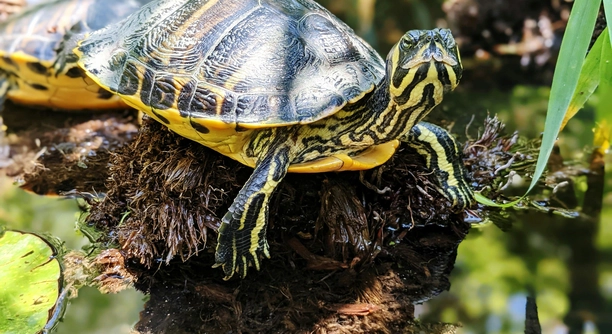
Yellow-bellied sliders are popular pets, but they can sometimes act aggressively. This behavior can be intimidating for pet owners, especially when they are unsure of how to handle it. Managing their aggression safely is important.
To handle an aggressive yellow-bellied slider safely, keep your distance and avoid sudden movements. Use a gentle, calm approach, and consider using tools like gloves or a net if necessary to prevent direct contact.
Understanding the root causes of aggression in these turtles can help with safe handling. Knowing how to approach and manage their behavior can lead to a better experience for both you and your pet.
Common Reasons for Aggression in Yellow-Bellied Sliders
Aggression in yellow-bellied sliders can stem from a variety of factors, such as stress, fear, territorial behavior, or even improper care. They are naturally defensive animals and may react aggressively when they feel threatened. Stress from a crowded tank, sudden changes in their environment, or lack of proper hiding spaces can make them more likely to lash out. Additionally, when male sliders are in breeding season, they may show more aggressive tendencies towards other males or even humans.
These turtles may also feel stressed if they are not provided with enough space or enrichment. In some cases, aggression can be a sign that they are feeling unwell. A proper understanding of their behavior is key to ensuring they thrive.
When dealing with aggression, always consider the cause. If stress or discomfort is the trigger, try to reduce any environmental factors that might be making them uneasy. Keeping a consistent routine, providing appropriate tank size, and maintaining a healthy diet can help calm aggressive behaviors.
Safety Tips for Handling Aggressive Sliders
It’s important to stay calm and move slowly when interacting with aggressive yellow-bellied sliders. Quick movements can provoke them further.
Make sure to use a gentle touch and avoid grabbing them by the shell. Instead, gently support their body to minimize stress.
Using Tools for Safe Handling
When dealing with an aggressive yellow-bellied slider, tools like nets, gloves, or even a towel can be helpful. These tools keep you at a safe distance while providing control over the turtle’s movements.
A net is useful if you need to move the slider without touching it directly. Gently guide the turtle into the net, supporting its weight as you lift. Gloves offer extra protection from bites and scratches, especially when handling a particularly agitated turtle. A towel can help wrap the slider calmly, giving you more control while minimizing stress.
These tools are especially helpful when the turtle is too aggressive for bare-handed handling. Keeping the tools on hand is essential to avoid injury to both you and the turtle.
Creating a Peaceful Environment
A peaceful tank setup can reduce stress and aggression in yellow-bellied sliders. It’s important to create a comfortable space that offers room for movement and places to hide.
Make sure the tank is large enough for the turtle to swim freely and bask comfortably. Adding plants, rocks, and other structures will give the slider areas to hide or rest. This helps them feel secure and reduces territorial aggression. Also, ensure the water temperature is optimal and the tank is cleaned regularly to avoid the buildup of harmful bacteria. A stressful environment can make aggression worse, so aim to maintain a stable, calm habitat for your slider.
Handling Aggressive Behavior Gradually
If your yellow-bellied slider is showing aggression, try to handle it gradually. Start by simply spending time near the tank, allowing the turtle to get used to your presence. Over time, you can begin to make slow, calm movements near the turtle.
Gradual interaction helps your turtle feel less threatened and more comfortable around you. By taking small steps, you can avoid overwhelming it and reduce stress.
Dealing with Bites and Scratches
Bites and scratches from an aggressive yellow-bellied slider are possible, especially if the turtle is in a defensive state. If bitten, wash the area immediately to prevent infection.
Yellow-bellied sliders have sharp beaks that can break skin. Always handle them carefully to avoid injury, using gloves or tools if necessary. If scratched, clean the wound thoroughly and keep an eye out for any signs of infection.
FAQ
Why is my yellow-bellied slider aggressive?
Yellow-bellied sliders may show aggression for a variety of reasons. They could feel threatened or stressed due to changes in their environment, overcrowding in their tank, or a lack of proper hiding spaces. During breeding season, male sliders, in particular, may become more territorial and aggressive. Aggression can also be a sign of illness, as a sick turtle may react defensively. Monitoring their behavior and environment is key to identifying the cause.
How can I reduce aggression in my yellow-bellied slider?
To reduce aggression, start by ensuring your turtle’s environment is calm and stress-free. Provide a spacious tank, enough places to hide, and a proper basking area. Regularly clean the tank and maintain the water temperature at the right level. Avoid sudden movements when interacting with your turtle, and allow it time to adjust to your presence. If aggression continues, consider consulting a vet to check for possible health issues.
Can I handle my yellow-bellied slider if it’s aggressive?
Yes, but it’s important to do so carefully. Always use gloves or tools like nets or towels to handle the turtle if it’s showing aggression. Avoid grabbing the slider by the shell. Instead, support its body gently to minimize stress. Never force handling when the turtle is visibly stressed or upset.
Is it safe to put my yellow-bellied slider with other turtles?
Yellow-bellied sliders can be territorial, especially if there’s not enough space. It’s important to ensure that any other turtles are of a similar size and temperament. Overcrowding can lead to stress, which may cause aggression. Always monitor the interaction between turtles and separate them if fighting or bullying occurs.
How can I tell if my yellow-bellied slider is stressed?
Signs of stress in yellow-bellied sliders include erratic swimming, hiding more than usual, and aggression toward other animals or people. They might refuse to eat or exhibit abnormal behavior, such as pacing along the tank. It’s important to check their environment for possible stressors like overcrowding, water quality issues, or changes in temperature.
What should I do if my yellow-bellied slider is not eating?
If your yellow-bellied slider isn’t eating, check the water temperature first. A turtle’s appetite is strongly affected by its environment. Make sure the water temperature is within the proper range (75-80°F or 24-27°C). Stress, illness, or changes in diet can also cause a loss of appetite. If your turtle continues to refuse food, consider consulting a vet.
How can I keep my yellow-bellied slider calm?
Keeping your yellow-bellied slider calm involves creating a stable and safe environment. Ensure the tank is large enough, with plenty of space to swim and hide. Regular cleaning of the tank and proper water conditions are essential. Also, be mindful of your interaction with the turtle. Slow, calm movements will make it feel safer.
What are the signs that my yellow-bellied slider is sick?
Sick yellow-bellied sliders often display signs like lethargy, loss of appetite, abnormal swimming behavior, and changes in their shell or skin. If you notice any of these signs, it’s crucial to consult a vet who specializes in reptiles to get a proper diagnosis and treatment plan.
Can yellow-bellied sliders get along with other pets?
Yellow-bellied sliders can coexist with other pets if managed properly, but they should never be placed with species that could harm them, like aggressive fish or other territorial reptiles. If you have other animals, ensure they are safe from the turtle’s sharp beak. Always supervise interactions closely.
How often should I feed my yellow-bellied slider?
Adult yellow-bellied sliders typically eat every two to three days, while juveniles may need to be fed daily. Offer a varied diet that includes commercial turtle pellets, vegetables, and occasional protein like insects or fish. Make sure you are not overfeeding, as obesity can lead to health issues in turtles.
Is it okay to let my yellow-bellied slider roam outside the tank?
It’s generally not a good idea to let your yellow-bellied slider roam outside of its tank unsupervised. Turtles can get easily stressed in unfamiliar environments. If you want to give your turtle some outdoor time, make sure the area is secure, safe from predators, and free from harmful chemicals or plants.
What type of habitat does my yellow-bellied slider need?
Your yellow-bellied slider needs a tank that provides both water and a dry basking area. The water should be clean and kept at a proper temperature (75-80°F or 24-27°C). The basking area should have a heat lamp to provide warmth, and you should offer plenty of hiding spots to help your turtle feel secure.
How do I know if my yellow-bellied slider is being aggressive or just playing?
Aggression in yellow-bellied sliders typically involves defensive behaviors, such as hissing, biting, or lunging. If your turtle is just playing, it will likely engage in more active swimming or gently “nudging” objects without showing signs of fear or stress. It’s important to differentiate between playful behavior and true aggression.
Can I train my yellow-bellied slider to be less aggressive?
Training a yellow-bellied slider to be less aggressive can be challenging, but with patience, you can condition it to respond to calm handling. Start by establishing a routine and approach the turtle slowly and calmly. Positive reinforcement, such as offering food after calm behavior, may also help build trust.
What should I do if my yellow-bellied slider seems unusually calm?
If your yellow-bellied slider is unusually calm and not showing normal activity, it could be a sign of illness or stress. Check the water temperature, cleanliness, and overall environment. If everything appears in order but the turtle is still not active, it’s a good idea to visit a reptile vet for a check-up.
Final Thoughts
Handling an aggressive yellow-bellied slider requires patience, understanding, and proper techniques. By recognizing the signs of aggression and addressing the underlying causes, you can ensure both your safety and the well-being of your pet. It’s essential to keep in mind that aggression is often a response to stress, fear, or discomfort. By creating a peaceful and comfortable environment for your slider, you can reduce these stress factors. Providing a spacious tank, maintaining the right water conditions, and offering hiding spaces can go a long way in helping your turtle feel secure.
Remember, using tools like nets, gloves, or towels can make handling safer for both you and your turtle, especially when dealing with more aggressive behavior. These tools give you better control without putting the turtle under more stress. Always approach your yellow-bellied slider slowly and gently to avoid startling it. The goal is to keep your interactions calm and consistent, which will help your turtle feel more at ease around you. Over time, your patience will build trust, and the aggressive behavior will likely lessen.
If aggression continues despite your efforts, it may be a sign of a deeper issue, such as illness or injury. In such cases, consulting a reptile veterinarian is essential to rule out any medical conditions that could be affecting your turtle’s behavior. Your yellow-bellied slider’s health and comfort should always come first, and a vet can provide guidance if needed. With the right care and approach, you can create a safe and calm environment for your slider, leading to a more peaceful relationship between you and your pet.

Hello,
If you enjoy the content that we create, please consider saying a "Thank You!" by leaving a tip.
Every little bit helps us continue crafting quality advice that supports the health, happiness, and well-being of pets around the world, for pets of all shapes, sizes, and species.
We really appreciate the kindness and support that you show us!