
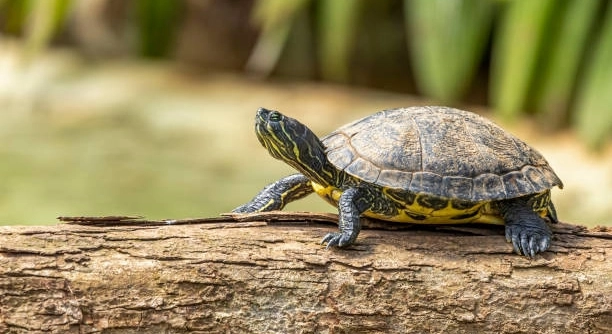
Is your yellow-bellied slider experiencing tank problems that affect its health and well-being? Many owners face common issues like poor water quality, inadequate heating, or improper filtration, which can lead to stress, illness, or discomfort for their turtles.
Maintaining an optimal tank environment requires proper filtration, stable water temperatures, and a clean habitat. Addressing algae buildup, incorrect basking spots, and diet-related water contamination helps keep your turtle healthy. Understanding these solutions ensures a thriving aquatic setup for your yellow-bellied slider.
Creating a suitable habitat is essential for your turtle’s health. Exploring these seven solutions will help you fix common tank issues and maintain a well-balanced environment.
Ensuring Proper Water Filtration
A well-functioning filter is essential for maintaining water quality in your yellow-bellied slider’s tank. Without it, waste accumulates, leading to cloudy water, foul odors, and potential bacterial growth. Choosing a filter rated for at least twice the tank’s size helps keep the water clean and safe. Regular maintenance, such as rinsing mechanical filter media and replacing chemical components, ensures efficiency. A clogged or failing filter can quickly lead to unhealthy conditions, so checking it weekly is necessary. Additionally, combining mechanical, biological, and chemical filtration helps remove debris, toxins, and harmful bacteria, providing a stable environment for your turtle.
Filters alone cannot remove all waste. Partial water changes, done weekly, help maintain optimal water conditions. Removing 25% of the tank water and replacing it with fresh, dechlorinated water reduces nitrate buildup. Consistent water testing helps monitor ammonia, nitrite, and pH levels, preventing issues before they become serious.
A strong filtration system reduces maintenance and improves water quality. However, even the best filter cannot compensate for overfeeding or overcrowding. Avoid excessive food waste, and ensure the tank is large enough for your turtle’s growth. These simple adjustments create a balanced and healthy aquatic environment for your yellow-bellied slider.
Maintaining the Right Water Temperature
Yellow-bellied sliders need stable water temperatures to stay healthy. Too cold, and they become sluggish and vulnerable to illness; too warm, and their metabolism speeds up, leading to stress. Keeping water between 75-80°F ensures proper digestion, activity levels, and immune function.
A reliable aquarium heater is essential for temperature stability. Choose one with an adjustable thermostat to maintain consistency. Place a thermometer on each side of the tank to monitor fluctuations. If temperatures drop, your turtle may stop eating or become inactive. Sudden changes can lead to respiratory infections.
In addition to heating, proper basking conditions help regulate body temperature. A basking area with a heat lamp set to 85-90°F allows your turtle to dry off and absorb necessary warmth. Positioning the heat lamp correctly ensures even heating without overheating. Nighttime temperatures should not fall below 70°F to prevent stress. Regularly checking water and basking temperatures keeps your yellow-bellied slider comfortable and healthy.
Preventing Algae Buildup
Algae growth is common in turtle tanks, especially with prolonged light exposure and excess nutrients. Controlling lighting by keeping it on for 10-12 hours daily helps limit algae. Reducing food waste and cleaning debris prevent algae from thriving in the tank.
Adding live plants like anacharis or hornwort competes with algae for nutrients, slowing its growth. Using an algae scraper or magnetic cleaner removes buildup on glass surfaces. A UV sterilizer can further reduce algae spores in the water. Placing the tank away from direct sunlight also helps prevent excessive algae growth. Regular water changes and filter maintenance are necessary to keep conditions stable.
Overfeeding contributes to algae problems by increasing waste and uneaten food in the tank. Feeding in a separate container helps minimize excess nutrients in the water. Choosing high-quality food that creates less waste also makes a difference. A well-maintained tank stays cleaner and healthier for your yellow-bellied slider.
Avoiding Poor Basking Conditions
A proper basking area is essential for shell health, digestion, and preventing illness. Without a warm, dry space, turtles may develop shell rot or respiratory infections. A sturdy basking platform with easy access encourages regular basking. Ensuring the basking area remains dry prevents bacterial growth.
A basking lamp should maintain temperatures between 85-90°F to provide sufficient warmth. UVB lighting is also necessary for vitamin D3 synthesis, which helps with calcium absorption and prevents metabolic bone disease. Replace UVB bulbs every six months, as their effectiveness declines over time. Proper bulb placement ensures turtles receive adequate exposure.
Turtles may avoid basking if the area feels unsafe. Providing a stable, spacious platform with a gentle ramp encourages natural behavior. Avoid excessive noise or disturbances near the tank, as stress can cause turtles to bask less frequently. Maintaining proper basking conditions ensures overall health and well-being for your yellow-bellied slider.
Managing Water Cloudiness
Cloudy water is often caused by excess waste, uneaten food, or bacterial blooms. Overfeeding leads to debris buildup, so feeding in a separate container reduces mess. A strong filter with mechanical, biological, and chemical media helps clear the water and maintain a stable environment.
Performing partial water changes removes accumulated waste and prevents cloudiness. Replacing 25% of the water weekly keeps conditions balanced. Using a water conditioner eliminates chlorine and other chemicals that may cause cloudiness. Ensuring proper tank cycling before adding a turtle prevents bacterial imbalances that lead to murky water.
Reducing Odor Issues
Foul odors in a turtle tank usually result from waste buildup, poor filtration, or decaying food. Regular cleaning, strong filtration, and water changes help keep the tank fresh. Removing uneaten food promptly prevents bacteria from thriving and producing unpleasant smells. A well-maintained tank reduces the need for frequent deep cleaning.
Preventing Shell Shedding Problems
Shell shedding is a natural process, but excessive or incomplete shedding indicates improper care. Providing UVB lighting, a balanced diet, and clean water helps maintain shell health. Poor basking conditions or fungal infections can lead to retained scutes, so keeping the basking area warm and dry is essential.
FAQ
What should I feed my yellow-bellied slider?
Yellow-bellied sliders are omnivores, meaning they eat both plant matter and animal protein. A balanced diet includes high-quality commercial turtle pellets, leafy greens like kale, and vegetables such as carrots and squash. Occasionally, offer protein sources like earthworms, crickets, or small fish. Be sure to avoid overfeeding and remove uneaten food to keep the water clean.
How often should I clean my yellow-bellied slider’s tank?
Tank cleaning depends on factors like tank size, the number of turtles, and filtration quality. Generally, perform partial water changes every week, removing 25% of the water. Clean the filter regularly, about once a month or as needed. Every few months, deep clean the tank by removing decorations and scrubbing the surfaces.
Can I keep multiple yellow-bellied sliders in the same tank?
Yes, you can keep multiple yellow-bellied sliders together if the tank is large enough. Each turtle requires space, with at least 10 gallons of water per inch of shell length. Be mindful of territorial behavior and ensure there are multiple basking spots to prevent aggression.
How do I know if my turtle is sick?
Signs of illness include lethargy, loss of appetite, swelling, nasal discharge, or shell deformities. If your turtle is not basking or swimming normally, this may also indicate a health issue. Consult a veterinarian who specializes in reptiles for a diagnosis and treatment.
What type of UVB light does my yellow-bellied slider need?
Yellow-bellied sliders need a UVB light to help with vitamin D3 production, essential for calcium absorption. Use a bulb that provides UVB rays in the 5-10% range. Place the light over the basking area, as turtles need exposure to it for several hours a day. Replace the bulb every six months to ensure effectiveness.
How do I prevent my turtle from getting shell rot?
Shell rot is caused by bacteria or fungus entering damaged areas of the shell. To prevent this, provide proper basking conditions, clean water, and a healthy diet. Keep the basking area warm and dry, and avoid handling the turtle with dirty hands. Regularly inspect the shell for signs of damage and treat any cuts or cracks immediately.
What is the best tank setup for a yellow-bellied slider?
A large tank with both swimming and basking areas is crucial for a yellow-bellied slider. Ensure the water is deep enough for your turtle to swim comfortably, and provide a dry basking platform. Use a strong filtration system to keep the water clean, and include plants and decorations for enrichment.
How do I regulate the water temperature in my turtle’s tank?
Use an adjustable aquarium heater to maintain a water temperature of 75-80°F. Place a thermometer in the tank to monitor fluctuations. Ensure the heater is properly sized for the tank, and check it regularly to avoid overheating or underheating. The basking area should have a heat lamp to provide warmth of 85-90°F.
Is it normal for my turtle to be inactive sometimes?
Occasional inactivity is normal, especially during cooler months or when the turtle is adjusting to a new environment. However, prolonged inactivity could indicate health issues like stress or illness. Ensure the tank conditions, such as temperature and lighting, are appropriate. If your turtle continues to be inactive, consult a veterinarian.
How can I prevent algae from growing in my turtle’s tank?
Limit light exposure to 10-12 hours a day to discourage algae growth. Use a high-quality filter to remove excess nutrients, and clean the tank regularly to prevent algae buildup. Live plants can help by absorbing nutrients that algae need to thrive. If algae do grow, use an algae scraper to remove it from tank surfaces.
Can I feed my turtle fruit?
Turtles can have fruits in moderation. Offer small amounts of fruits like strawberries, blueberries, or melon as a treat. Avoid sugary fruits like bananas, as they can contribute to unhealthy weight gain. Always remove any uneaten fruit promptly to prevent water contamination.
How do I ensure my turtle is getting enough calcium?
Calcium is essential for shell and bone health. Provide a calcium supplement in the form of a powder or a cuttlebone that your turtle can chew on. Offer leafy greens like collard greens, mustard greens, and dandelion greens, which are naturally high in calcium. Ensure your turtle gets enough UVB exposure to help process the calcium.
Can I keep other animals with my yellow-bellied slider?
While yellow-bellied sliders can coexist with other aquatic animals, caution is needed. Avoid keeping them with smaller, slower creatures, as the slider may try to eat them. Fish that are too small or slow-moving may become prey. It’s also important to make sure other tank mates do not harass or stress the turtle.
How often should I change the water in my turtle’s tank?
Changing the water depends on tank size and filtration system. In general, aim to replace 25% of the water weekly to maintain water quality. If the tank is smaller or the turtle produces more waste, you may need to change the water more frequently. Always use dechlorinated water to refill the tank.
What kind of filter do I need for a yellow-bellied slider tank?
A strong filter is essential for maintaining water quality. Look for a filter rated for at least double the size of your tank. Canister filters, which provide mechanical, biological, and chemical filtration, are ideal. Ensure the filter has enough capacity to handle the waste produced by your turtle.
Final Thoughts
Caring for yellow-bellied sliders requires attention to their environment, diet, and overall health. It is important to provide a tank with clean, warm water, a proper basking area, and adequate lighting. These turtles thrive in well-maintained habitats, where they can swim, bask, and receive the necessary UVB exposure to stay healthy. A balanced diet, consisting of both plant matter and animal protein, will help keep them active and vibrant. Regular monitoring of their tank conditions, such as water temperature and quality, is crucial to avoid common issues like algae growth or cloudy water.
Maintaining a proper tank setup and caring for a yellow-bellied slider is not overly complicated but requires consistency. Overfeeding can lead to waste buildup and water quality problems, so it’s important to feed them in moderation and remove uneaten food. Regular water changes, proper filtration, and a balanced diet will ensure that they remain healthy and free from illness. If you notice signs of shell rot, lethargy, or unusual behavior, it’s best to consult a veterinarian to address any health concerns early on.
By following the tips provided, you can create a safe and thriving environment for your yellow-bellied slider. With proper care, these turtles can live for many years and continue to be an interesting addition to your home. Their vibrant personality and long lifespan make them rewarding pets, as long as you are committed to their needs. Take time to observe their behavior, keep their habitat clean, and offer them a nutritious diet. By doing so, your yellow-bellied slider will remain a happy, healthy companion for years to come.

Hello,
If you enjoy the content that we create, please consider saying a "Thank You!" by leaving a tip.
Every little bit helps us continue crafting quality advice that supports the health, happiness, and well-being of pets around the world, for pets of all shapes, sizes, and species.
We really appreciate the kindness and support that you show us!