
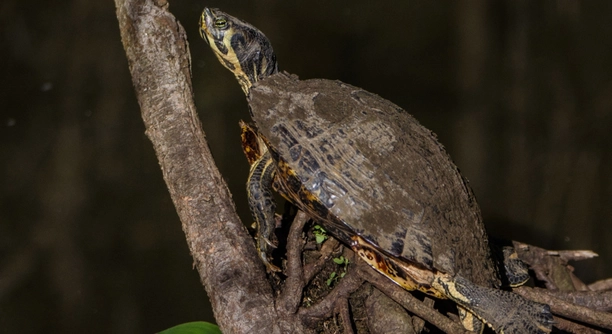
Is your yellow-bellied slider in need of more stimulation to stay active and engaged? Providing enriching activities is essential for their overall well-being. Keeping them entertained helps prevent boredom, encourages natural behaviors, and ensures they remain happy and healthy.
Engaging your yellow-bellied slider with interactive activities like obstacle courses, live food hunts, and floating platforms promotes physical exercise and mental stimulation. Providing varied environments, hiding treats, and offering sensory experiences mimics their natural habitat, keeping them active, alert, and entertained.
From underwater mazes to basking stations, these activities enhance your turtle’s daily routine. Exploring these fun and simple enrichment ideas will help keep your yellow-bellied slider both physically active and mentally stimulated.
Create an Engaging Habitat
A stimulating habitat keeps your yellow-bellied slider active and engaged. Adding a variety of basking spots, hiding areas, and aquatic plants creates an environment that encourages natural behaviors. Floating platforms and driftwood provide excellent resting spots, while smooth rocks and tunnels give them spaces to explore. Keeping their habitat clean and well-maintained ensures a safe and comfortable space. Temperature regulation is also essential, so using a high-quality UVB lamp and maintaining proper water conditions helps support their health. A well-designed setup prevents stress and boredom, keeping them happy and active every day.
Even small changes to their enclosure can make a difference. Rotating decorations, adding new plants, or changing the water depth occasionally keeps things interesting. Observing their reactions to new elements helps you understand what they enjoy most. Simple adjustments can greatly improve their quality of life and overall well-being.
Providing an enriching environment benefits both their physical and mental health. When turtles have spaces to explore, they remain active and alert. A diverse habitat mimics their natural surroundings, encouraging natural instincts like basking, swimming, and foraging. Keeping their enclosure engaging reduces stress and prevents repetitive behaviors. Investing in a well-structured habitat ensures they remain entertained and stimulated.
Encourage Natural Foraging
Hiding food throughout their habitat encourages natural foraging instincts. Placing leafy greens on floating platforms or sinking pellets among decorations makes mealtime more interactive. Live food like feeder fish, shrimp, or insects also adds excitement, promoting exercise and mental stimulation.
Incorporating a variety of feeding techniques enhances their experience. Using food dispensers, suspending vegetables in the water, or scattering treats around their enclosure encourages movement and problem-solving. Feeding outside their usual routine keeps them engaged and curious. Additionally, offering different textures and flavors prevents mealtime boredom. These simple methods make feeding time more rewarding and enjoyable.
Foraging is a natural behavior that helps turtles stay active. When they have to search for their food, they use their senses and instincts, which improves their overall well-being. Providing food in different ways encourages exploration and prevents laziness. A balanced diet with engaging feeding methods supports their health, keeping them energetic and satisfied.
Introduce Interactive Toys
Floating balls, tunnels, and underwater decorations add excitement to their daily routine. These objects encourage movement and curiosity, keeping them entertained. Rotating toys every few weeks prevents boredom and stimulates their natural instincts, making their environment more engaging and enjoyable.
Adding small, lightweight objects they can push around encourages interaction. Ping pong balls, floating rings, and small plastic toys create opportunities for play. Placing objects at different depths challenges their swimming skills. Interactive toys help them stay engaged while promoting physical activity, reducing stress, and supporting overall well-being. Watching them explore new additions can also be an enjoyable experience.
Using mirrors can also stimulate their curiosity. Placing a mirror outside their enclosure allows them to observe their reflection, which can trigger reactions similar to social interactions. However, mirrors should be used in moderation to prevent stress. Introducing a variety of toys ensures consistent mental and physical stimulation.
Offer Climbing Opportunities
Creating different levels within their habitat encourages exercise and exploration. Rocks, platforms, and branches give them areas to climb, helping develop muscle strength. Ensuring stable structures prevents injuries, while textured surfaces provide grip. Changing these elements occasionally keeps their environment fresh and interesting, preventing repetitive behaviors and keeping them engaged.
Elevated surfaces promote natural behaviors like basking and surveying their surroundings. Providing ramps, sloped logs, or stacked rocks allows easy access to different levels. Ensuring that each surface is safe and secure prevents accidents. Adding climbing opportunities improves coordination, enhances mobility, and encourages an active lifestyle, benefiting their overall health and energy levels.
Introduce Water Currents
Adding a gentle water current mimics their natural habitat and keeps them active. A low-flow water pump or air stone creates movement, encouraging swimming and exploration. Adjusting the flow strength ensures it remains safe and comfortable for them to navigate without causing stress.
Varying water currents provide mental and physical stimulation. Changing the direction or intensity occasionally keeps their environment dynamic. Turtles enjoy swimming against light currents, which helps improve their strength and coordination. Ensuring they have calm areas to rest allows them to enjoy the benefits without becoming overwhelmed or fatigued.
Provide Sunlight Exposure
Direct sunlight exposure supports shell health and overall well-being. Natural UVB rays help with calcium absorption, preventing shell deformities and metabolic issues. Providing an outdoor basking area or placing their enclosure near a window with unfiltered sunlight ensures they receive essential UVB for optimal health.
Introduce Sensory Enrichment
New scents, textures, and sounds stimulate their senses and encourage exploration. Adding different substrate materials, floating objects, or gentle background sounds keeps them engaged. Changing their surroundings occasionally prevents monotony and supports mental stimulation, making their environment more interesting and enjoyable.
FAQ
How often should I change my turtle’s toys and activities?
Rotating toys and activities every two to three weeks keeps your yellow-bellied slider engaged. Introducing new objects prevents boredom and stimulates curiosity. Small changes, like rearranging decorations or adding floating objects, encourage exploration. Keeping their environment fresh ensures ongoing mental and physical stimulation without overwhelming them.
What types of toys are safe for yellow-bellied sliders?
Floating balls, tunnels, smooth rocks, and driftwood are great options. Ensure all toys are free of small parts that could be swallowed. Avoid sharp edges or materials that could deteriorate in water. Safe, non-toxic, and durable items provide enrichment while keeping your turtle’s habitat secure and comfortable.
Can I train my yellow-bellied slider to recognize me?
Turtles can learn to associate their owners with food and interaction. Consistently feeding them at the same time and talking softly near their enclosure helps build recognition. Over time, they may swim toward you, showing awareness and familiarity. Patience and regular engagement strengthen this bond.
How can I tell if my turtle is bored?
Signs of boredom include excessive basking, lack of movement, or repeated swimming against the glass. If they seem uninterested in their surroundings, introducing new activities can help. Providing live food, rearranging their habitat, or adding climbing structures keeps them engaged and prevents repetitive behaviors.
Is it safe to let my turtle explore outside its tank?
Supervised exploration outside the tank can provide enrichment. Ensure the area is safe, enclosed, and free from hazards like small objects, toxic plants, or other pets. Short sessions on soft surfaces allow them to explore while staying comfortable. Always return them to water after a reasonable time.
Do turtles enjoy playing with mirrors?
Some turtles react with curiosity when they see their reflection. Placing a mirror near their enclosure for short periods can provide stimulation. However, prolonged exposure may cause stress if they perceive their reflection as another turtle. Monitoring their reaction helps determine if they enjoy this form of enrichment.
How do I create a safe climbing area for my turtle?
Use stable, non-slip materials like smooth rocks, driftwood, or secure platforms. Avoid steep or wobbly structures that could lead to falls. Providing gradual inclines and textured surfaces ensures they can climb safely. Regularly checking for stability prevents accidents and maintains a secure environment.
What foods can I use for foraging activities?
Leafy greens, live insects, and floating pellets work well. Hiding food under rocks or attaching vegetables to clips encourages natural foraging behavior. Offering a variety of textures and flavors keeps feeding time interesting. Live food like shrimp or feeder fish adds excitement and promotes movement.
How do I know if my turtle is getting enough exercise?
Active swimming, climbing, and exploring indicate a healthy level of activity. If they spend excessive time basking or remain inactive, consider adding new enrichment. Observing their daily habits helps determine if their environment provides enough stimulation to keep them physically and mentally engaged.
Should I use artificial plants or real plants in my turtle’s habitat?
Both options have benefits. Real plants provide oxygen and natural enrichment, but some turtles may eat them. Artificial plants are low-maintenance and add visual interest. Choosing sturdy, non-toxic plants ensures safety while enhancing their habitat with additional hiding and resting spots.
Final Thoughts
Providing mental and physical stimulation for your yellow-bellied slider is essential for their overall health. A well-enriched environment encourages natural behaviors such as swimming, climbing, and foraging. Simple additions like floating toys, live food, or gentle water currents help keep them active and engaged. Regularly changing their surroundings prevents boredom and allows them to explore new elements. Even small adjustments, such as rearranging decorations or introducing different textures, can make a significant difference in their daily routine. A dynamic habitat supports their physical development while also promoting mental well-being.
Understanding your turtle’s preferences and behaviors allows you to create an environment that suits their needs. Some turtles may enjoy basking more, while others might prefer exploring or interacting with new objects. Observing their reactions to different activities helps determine what keeps them engaged. Rotating enrichment items every few weeks maintains their interest without overwhelming them. Safe and stimulating activities, such as supervised exploration outside their tank, provide variety in their routine. Introducing new elements gradually ensures they have time to adjust and remain comfortable with their surroundings.
Consistency in care and enrichment fosters a healthier and happier turtle. Ensuring they have access to UVB lighting, a clean habitat, and a varied diet supports their long-term well-being. Regular interaction strengthens their familiarity with you, making them more responsive over time. Keeping their environment engaging prevents stress and promotes natural instincts. With thoughtful planning and minor adjustments, you can create a habitat that encourages activity and curiosity. Providing the right balance of enrichment ensures your yellow-bellied slider thrives in a comfortable and stimulating space.

Hello,
If you enjoy the content that we create, please consider saying a "Thank You!" by leaving a tip.
Every little bit helps us continue crafting quality advice that supports the health, happiness, and well-being of pets around the world, for pets of all shapes, sizes, and species.
We really appreciate the kindness and support that you show us!